About the exhibition
In November 2020, long-simmering tensions between Ethiopian Prime Minister Abiy Ahmed and the Tigray People’s Liberation Front (TPLF), formerly a ruling party in national politics, boiled over into outright conflict. Abiy Ahmed, who was awarded the 2019 Nobel Peace Prize, announced on November 4 in a pre-dawn Facebook post that he was sending troops into the northern Tigray region to detain and disarm the TPLF leaders. He promised that the war, or in his words the “law enforcement operation,” would be quick, causing only minimal, if any, harm to the population of Tigray, some seven million people.
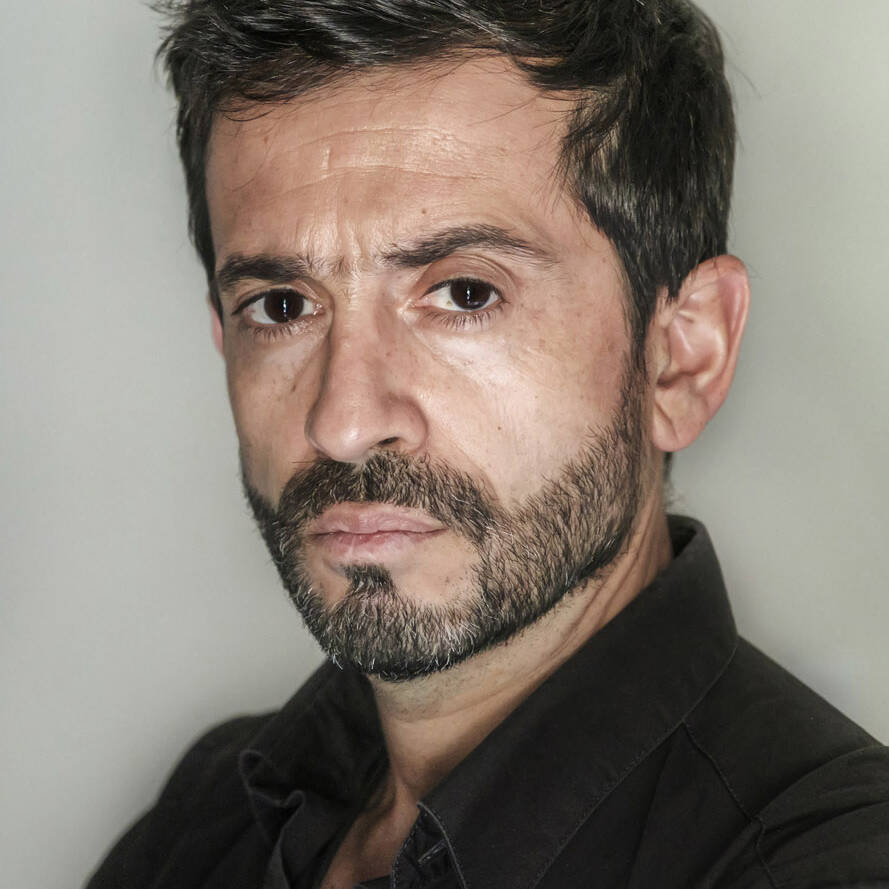
The international goodwill, which Abiy Ahmed had accrued during his short time in power, ensured that many observers took him at his word, at least initially, but that changed in late November after a team of Agence France-Presse journalists, including photographer Eduardo Soteras Jalil, broke through a media blackout and secured exclusive access to the region, a feat they repeated in December and again in January.
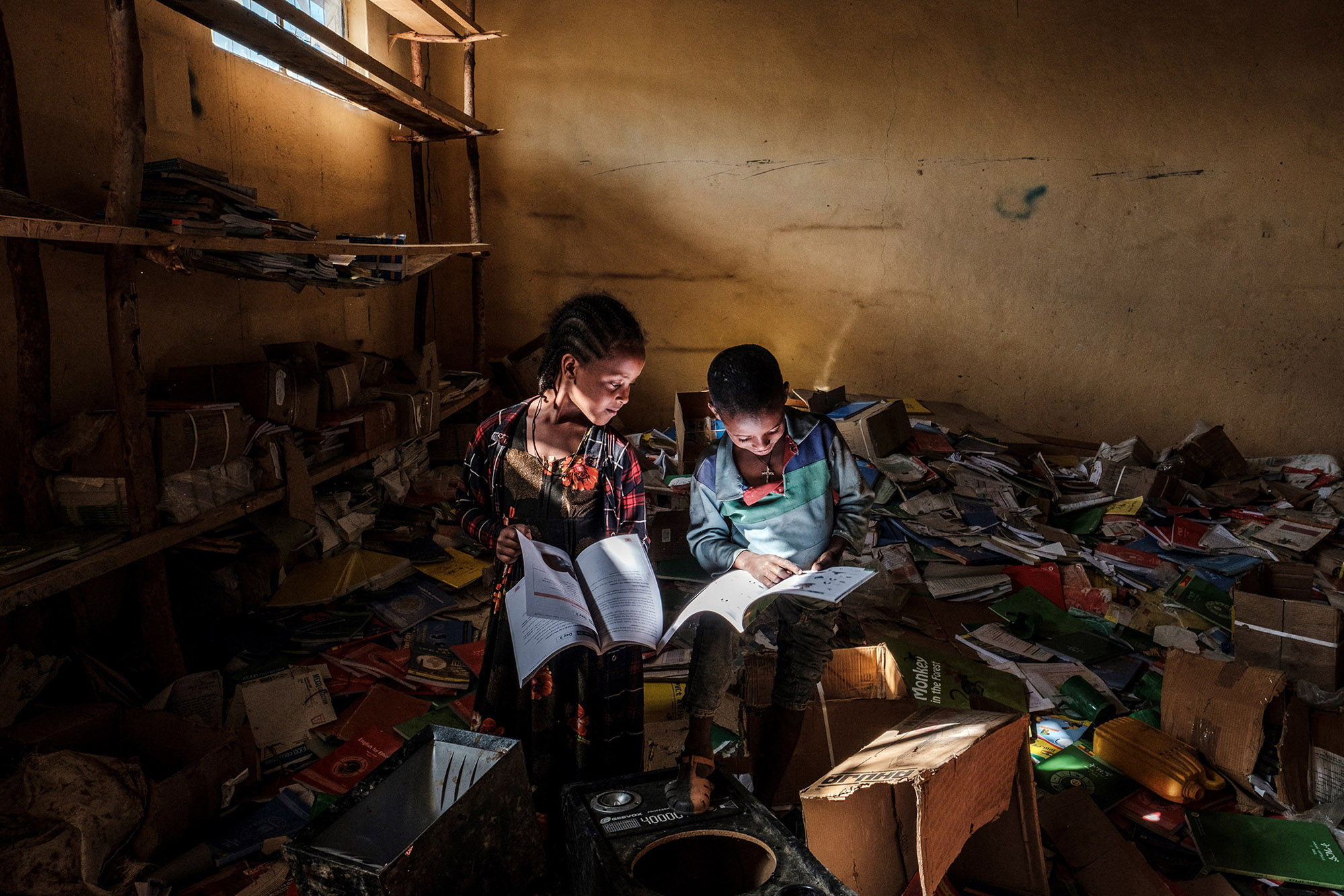
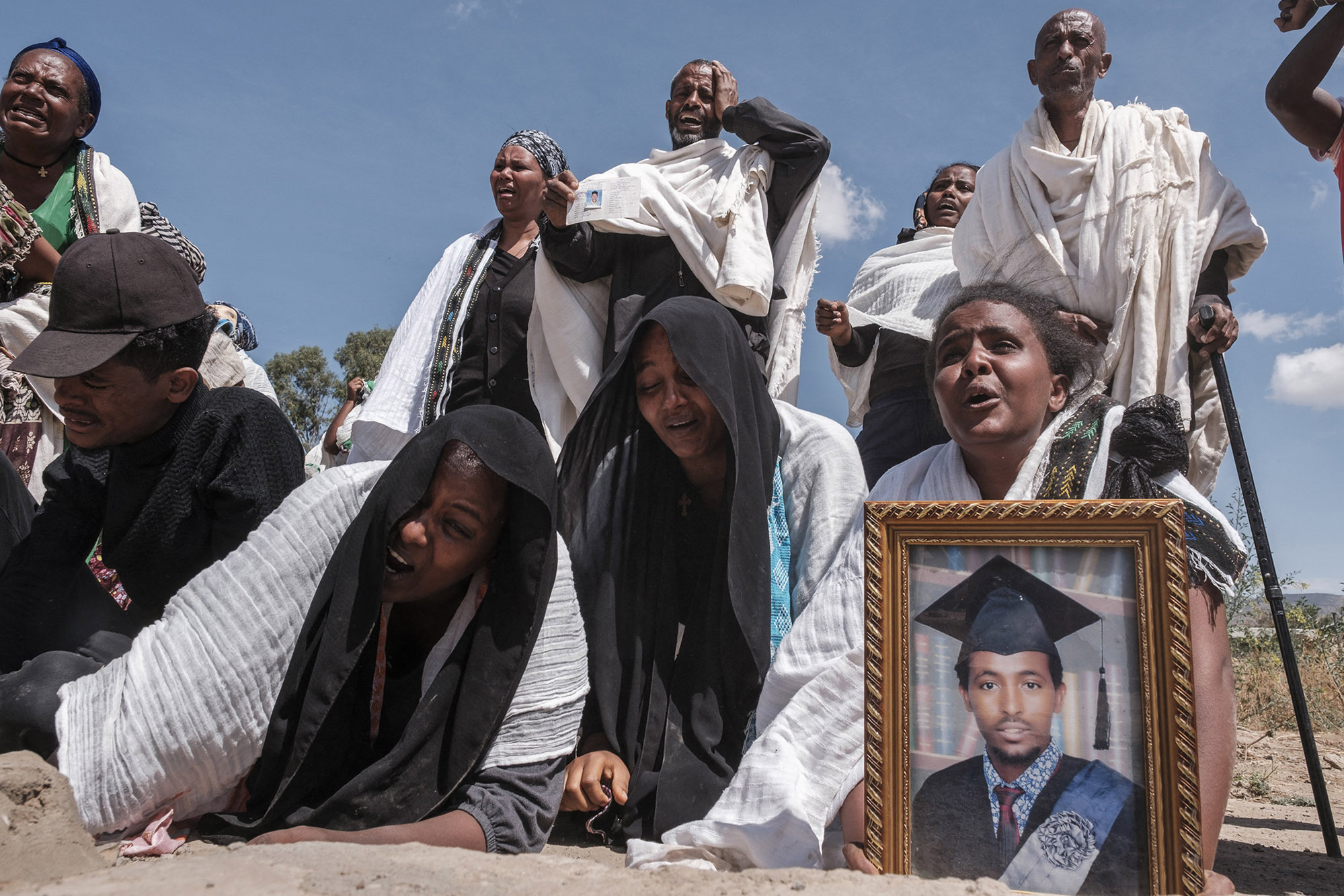
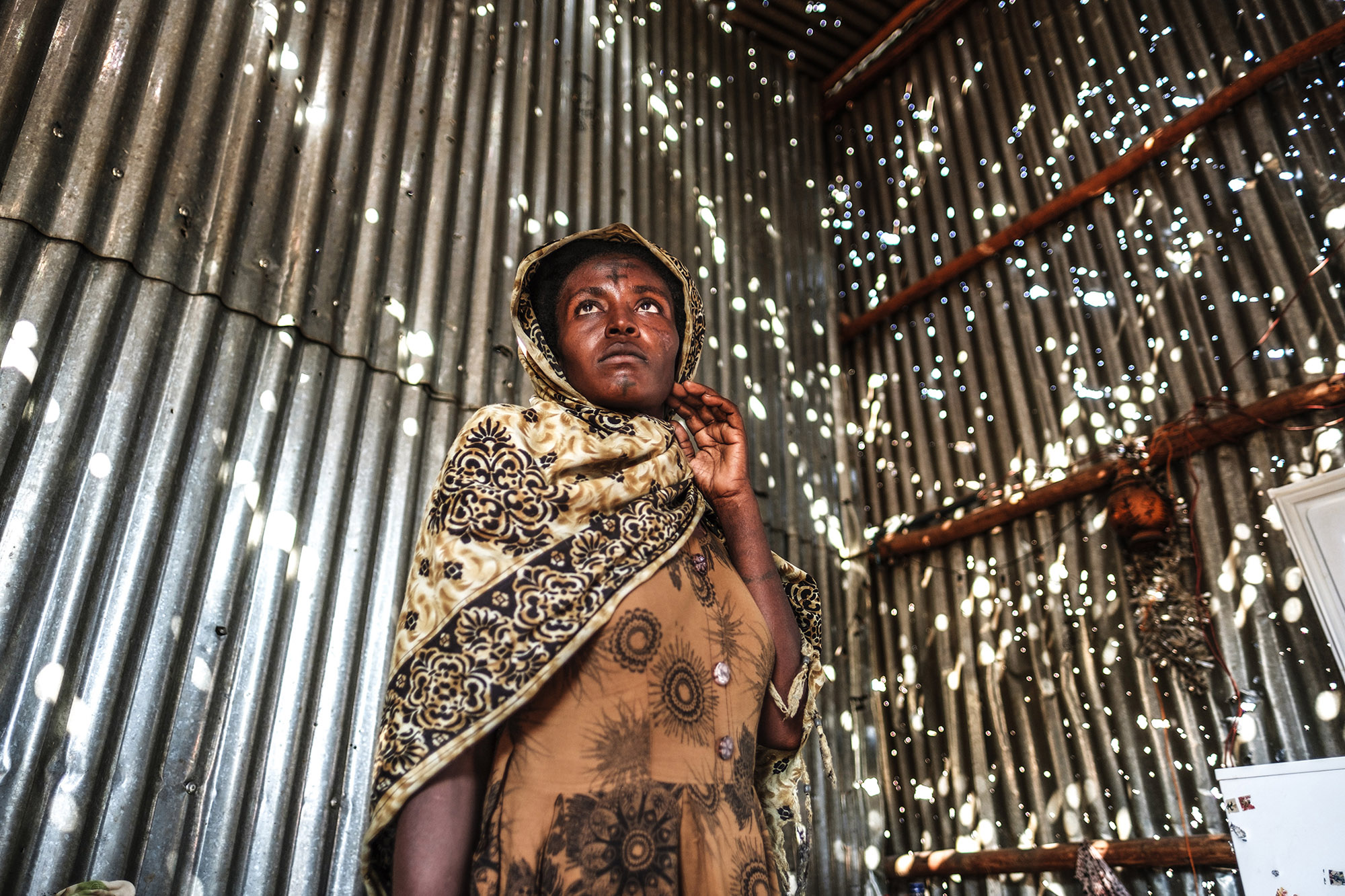
The pictures taken by Eduardo Soteras showed the world what was actually happening in Tigray, contradicting the government’s argument that the conflict would be relatively minor. Evidence of civilian suffering was everywhere in Tigray. In the town of Mai-Kadra, the site of one of the worst massacres in the conflict, survivors are seen weeping over bodies lying in ditches while covering their faces to keep out the stench. In Dengelat, where Eritrean Defense Forces gunned down more than 160 civilians, those left behind are seen pounding the earth with their fists while clutching photographs of lost loved ones. In Bisober, children are shown playing in the rubble of shelled homes and schools while soldiers clean their guns under acacia trees at a makeshift military camp. Elsewhere, are scenes of wounded civilians on hospital beds, of crowds clamoring around trucks transporting urgently needed food aid, and of farmers toiling in fields of sorghum in a desperate bid to stave off famine.
“The photos are the only real photographic evidence of the scars left in the first weeks of the fighting on both the people and landscape of the region,” said Laetitia Bader, Horn of Africa Director for Human Rights Watch.
The Tigray war is not the only conflict in Ethiopia. Throughout Abiy Ahmed’s three years in office, ethnic violence has surged, and here too Eduardo Soteras has faithfully documented the toll, as seen at a camp for displaced persons in the north-western town of Chagni with men, women and children who have fled mass killings in the western region of Benishangul-Gumuz.
The reports by Eduardo Soteras in the different hotspots focus on the civilians, the people who had nothing to do with starting the conflicts in their country but who have suffered so much.
Robbie Boulet
Take a virtual tour of this exhibition
Create your account or log in to access virtual exhibitions and get exclusive information about Visa pour l'image.