About the exhibition
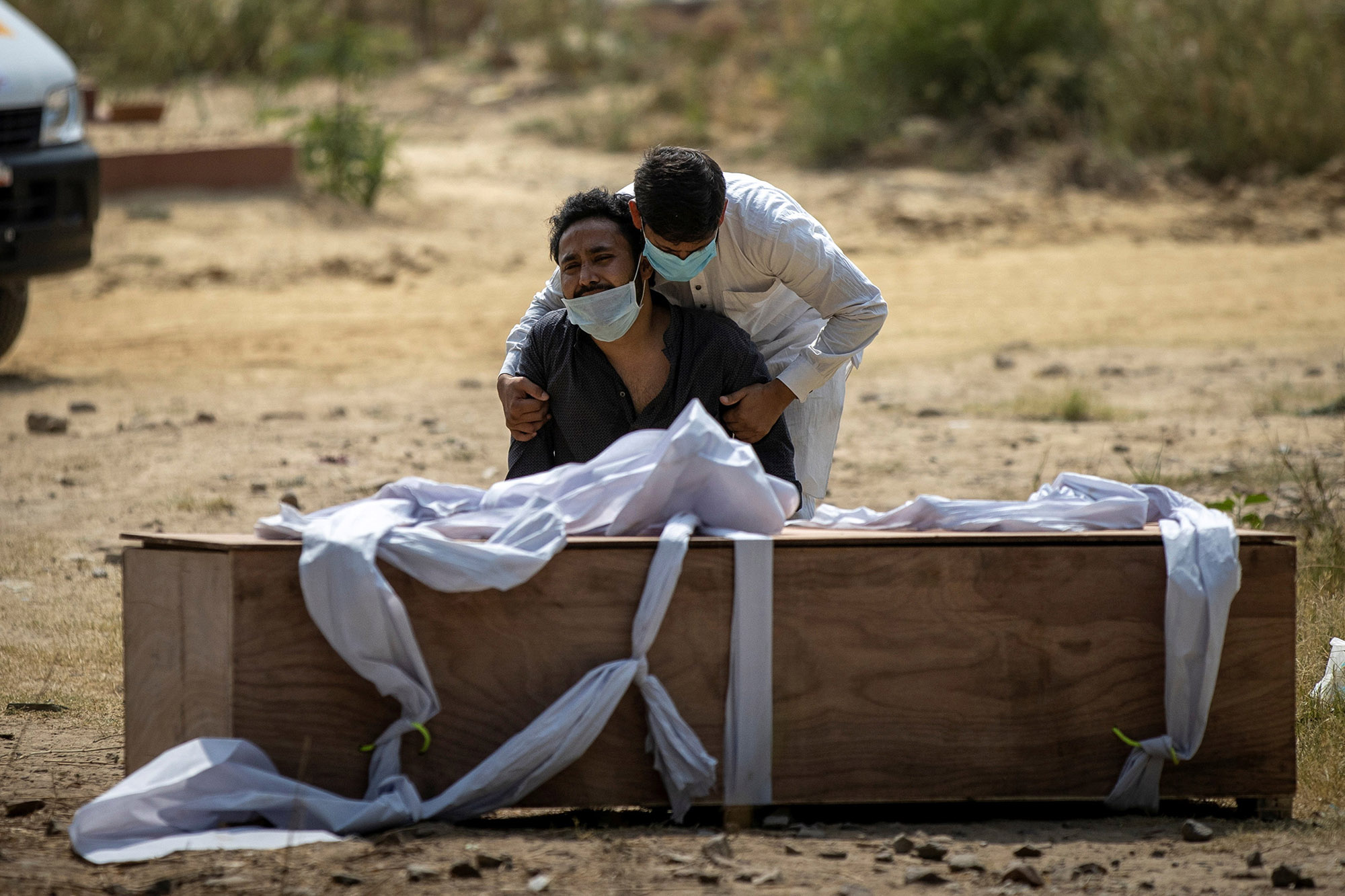
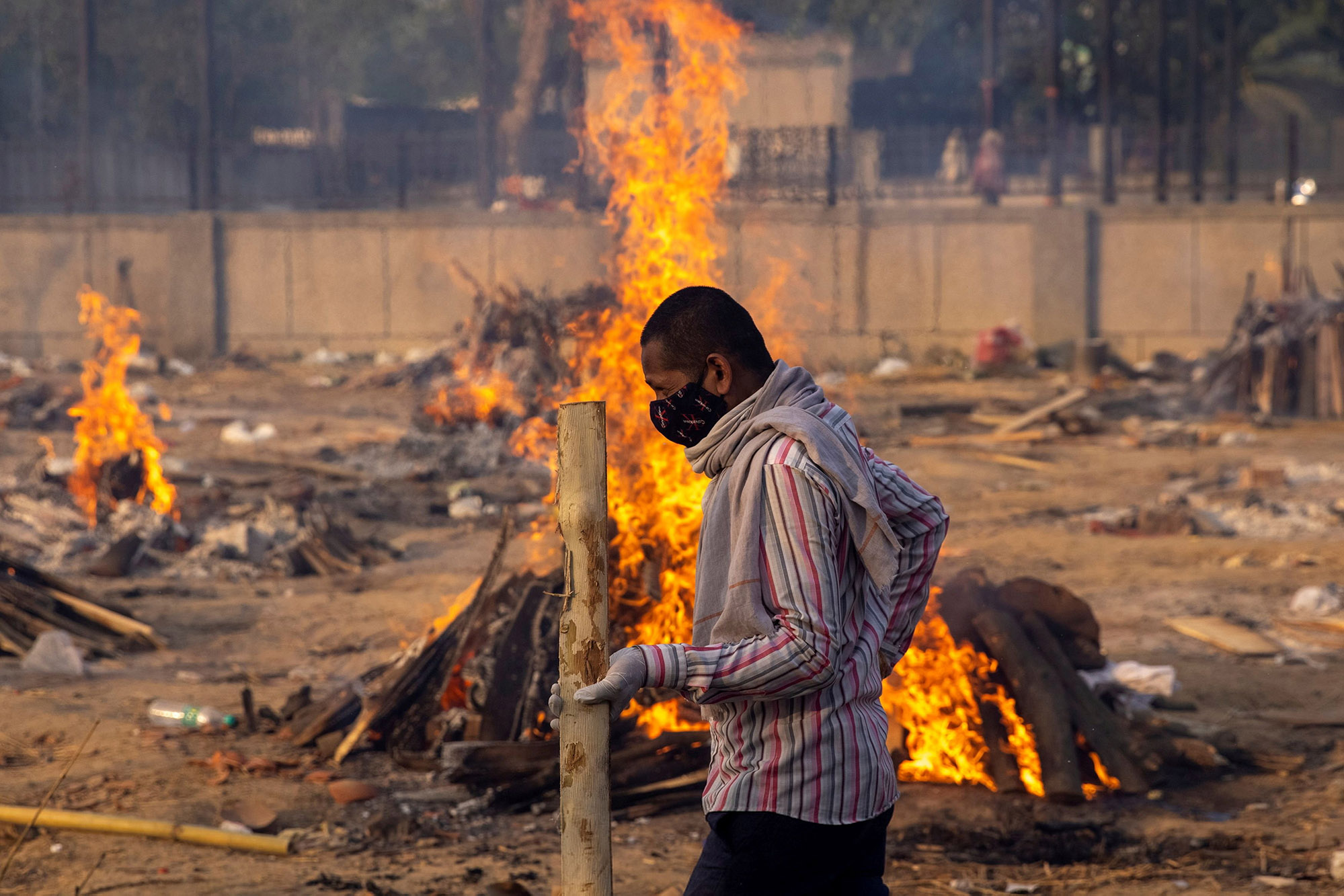
For Reuters photographer Danish Siddiqui, covering India’s second wave of the coronavirus pandemic in New Delhi is a daily circuit of crematoriums, cemeteries and hospitals, capturing the struggles of a nation of 1.4 billion people.
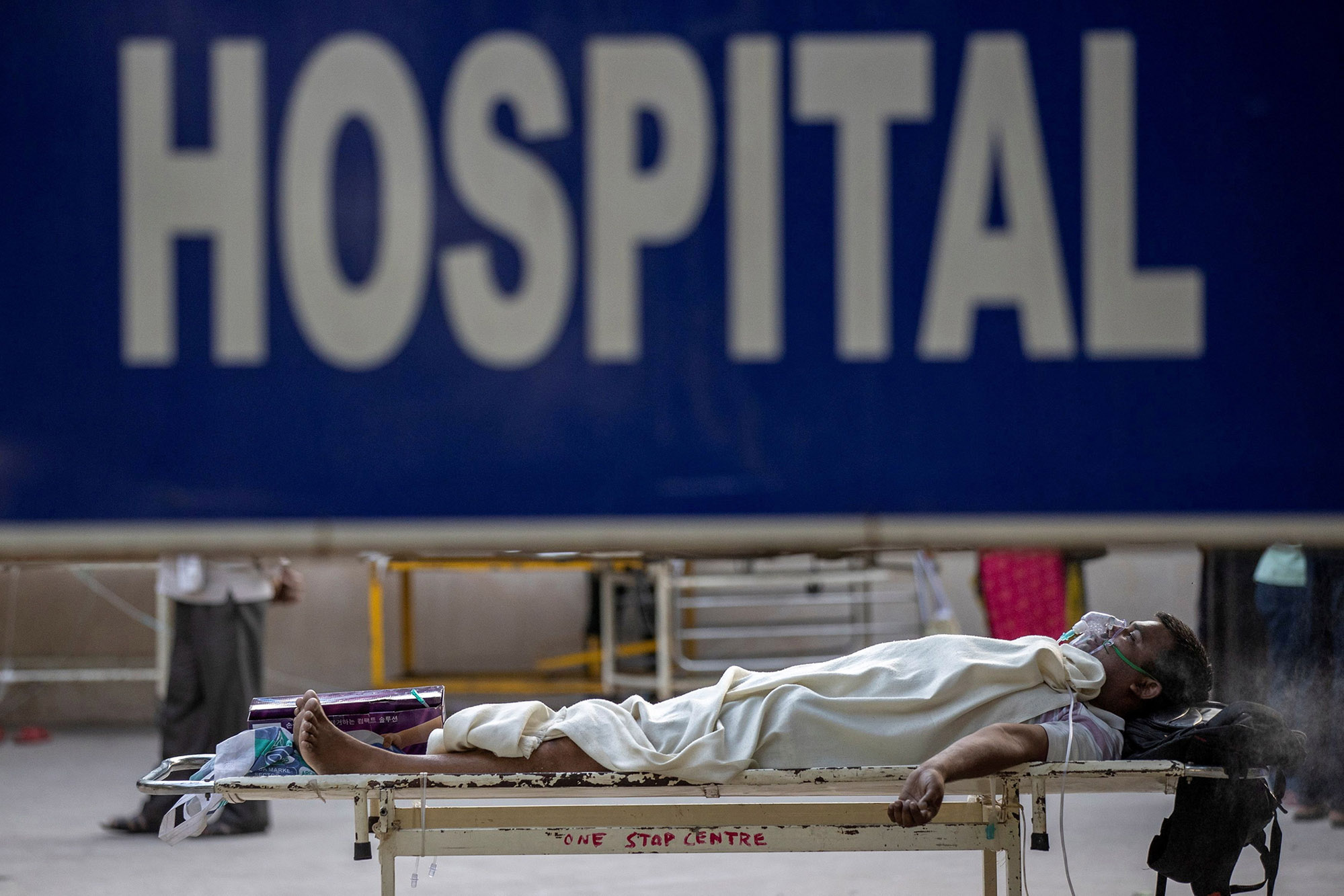
In late April, when he arrived at Guru Teg Bahadur Hospital in the capital, a public hospital with 400 Covid ICU beds, he knew the situation might be chaotic, but was not prepared for what he saw: patients in a critical condition on trolleys outside the ICU, gasping for air, some dying before being admitted.
Danish Siddiqui had been there for only a few minutes when a rickshaw arrived carrying Shayam Narayan (45), a father of five. His brothers hauled him onto a hospital trolley and went to the ICU. Just a few minutes later they were given the news: he was dead. The photographer’s reporting instincts, honed by more than a decade covering conflicts across the globe, kicked in, and he worked quickly to document the moment. “There is always chaos during these scenes but what you need is one or two strong photos which can tell the whole story while maintaining the dignity of the subject.”
What made the situation more shocking was that many people in India believed the pandemic was over by February. There were huge elections rallies, crowded markets, and thousands thronged to religious festivals. Months later, patients are now dying at home, in their cars on the way to hospital, outside emergency rooms waiting for beds.
Documenting the overwhelming number of deaths has meant finding the delicate balance between showing the human cost of the virus and having consideration for human dignity. “A news picture is about getting the moment to tell the story. It should also be respectful of your subject.” Several times when photographing mourners, he had to put down his camera to attend prayers for people he knew and whose deaths he only discovered by running into common acquaintances in the graveyard.
Danish Siddiqui did not train as a photographer. “Ninety percent of the photography I have learnt has come from experimentation in the field.” He has covered wars in Iraq and Afghanistan, and the Rohingya crisis, but the second wave of the pandemic sweeping across his own country is unlike anything he has faced before. “Here you don’t know who you are fighting. You cannot see the enemy.”
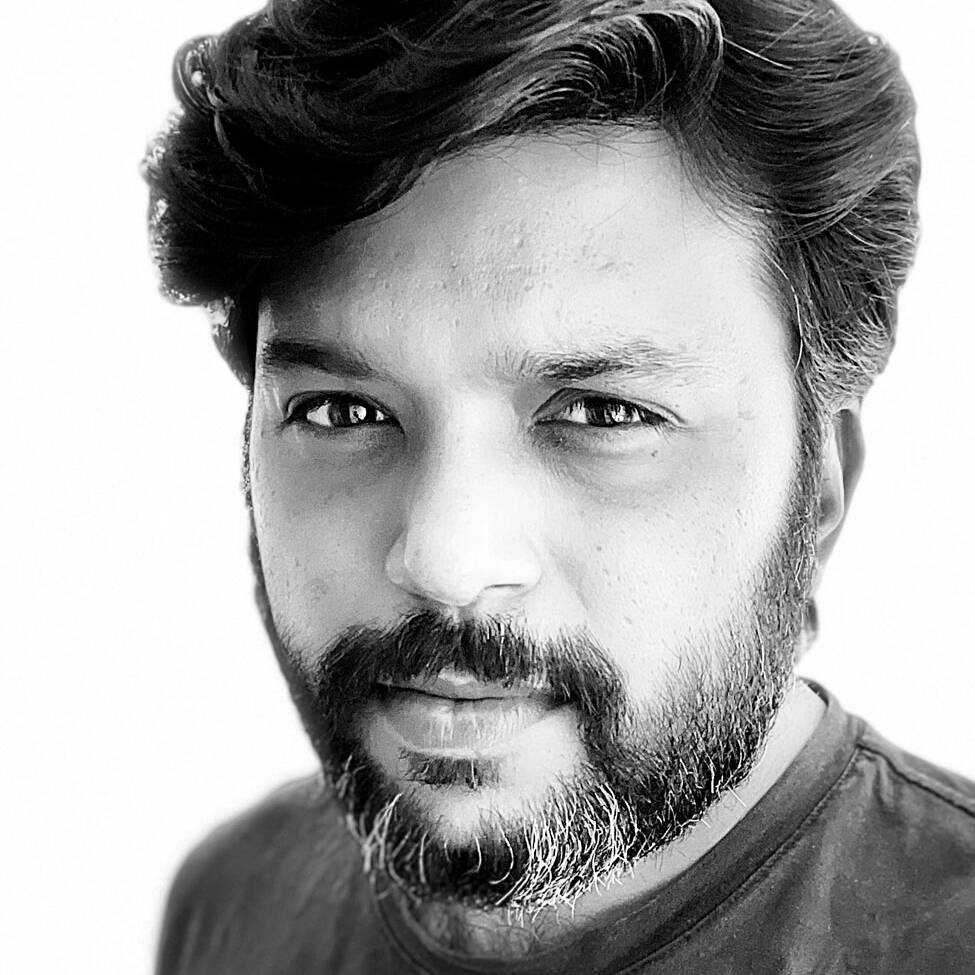
Danish Siddiqui (1980-2021)
Just a few weeks before the beginning of the festival, we are saddened to learn of the death of Danish Siddiqui. Working as a reporter embedded with the Afghan special forces, he was killed as the unit was fighting the Taliban to regain control of an area on the Pakistan border.
Take a virtual tour of this exhibition
Create your account or log in to access virtual exhibitions and get exclusive information about Visa pour l'image.