The festival ●
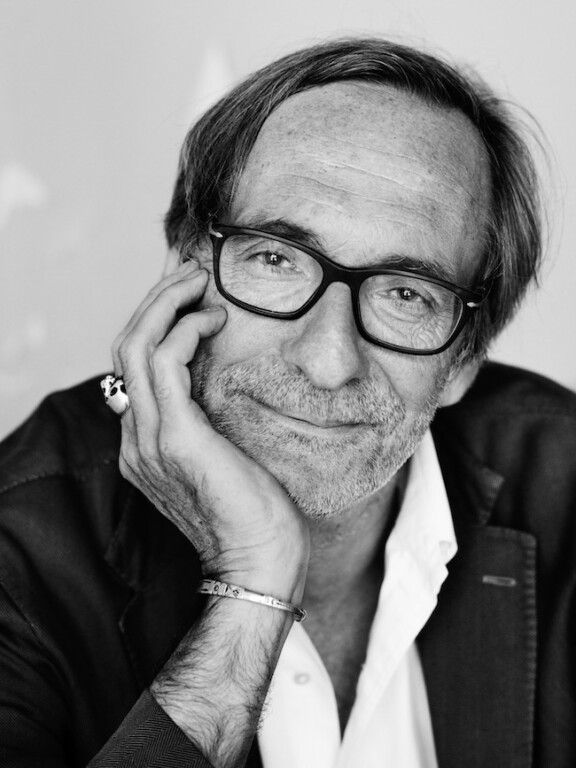
Editorial by Jean-François Leroy
2026 began with a fake photograph: Venezuelan President Nicolás Maduro appears in it surrounded by two marines, handcuffed. Reputable media outlets and journalists who have been raised on social media—which they have come to regard as a source of information—were taken in.
But paradoxically, the AI revolution and its consequences may be journalism’s best chance for survival. Since these models, to be effective, must be fed reliable, up-to-date, and verified data, who is better suited to do this than news professionals?
The proof is in the speed with which, over the past three years, these giants have sought to forge partnerships with the big names in the international press. History will tell whether these agreements—negotiated and signed in haste by media outlets struggling with solvency issues and economic difficulties—served their interests. Or whether they struck a deal with the devil, who is eager for their data.
The real photos of Maduro in New York, handcuffed, do exist. They were taken by professional journalists and published by media outlets that adhere to standards and rules that may be outdated, but are so important. And valuable. This is evidenced by the success of the digital offerings from The New York Times, Le Monde, the Financial Times, and so many others.
These “old media” share with us, the “old festival,” this orthodoxy that we continue to defend and celebrate. With their influence, their legitimacy, and their power, they are the last bastions against the gravediggers of reality, who dream of only one thing: to tear them down or take them over to further their own agendas—and, above all, their business interests. The media mergers and acquisitions that have taken place this year, as well as the witch hunts disguised as taxpayer-funded investigative committees designed to advance a freedom-destroying ideology, are evidence of this phenomenon.
Whether they are political or technological, those in power are therefore either afraid of us or, on the contrary, need us. That is why we will continue here, in Perpignan, the fight we began nearly forty years ago. And we hope to be joined and supported by all those who still share our vision. To stand tall, or be set straight, but always remain standing. And faithful to the values of freedom and journalism.
Jean-François Leroy
April 20, 2026
Over 30 editions covering the events that have shaped the world.
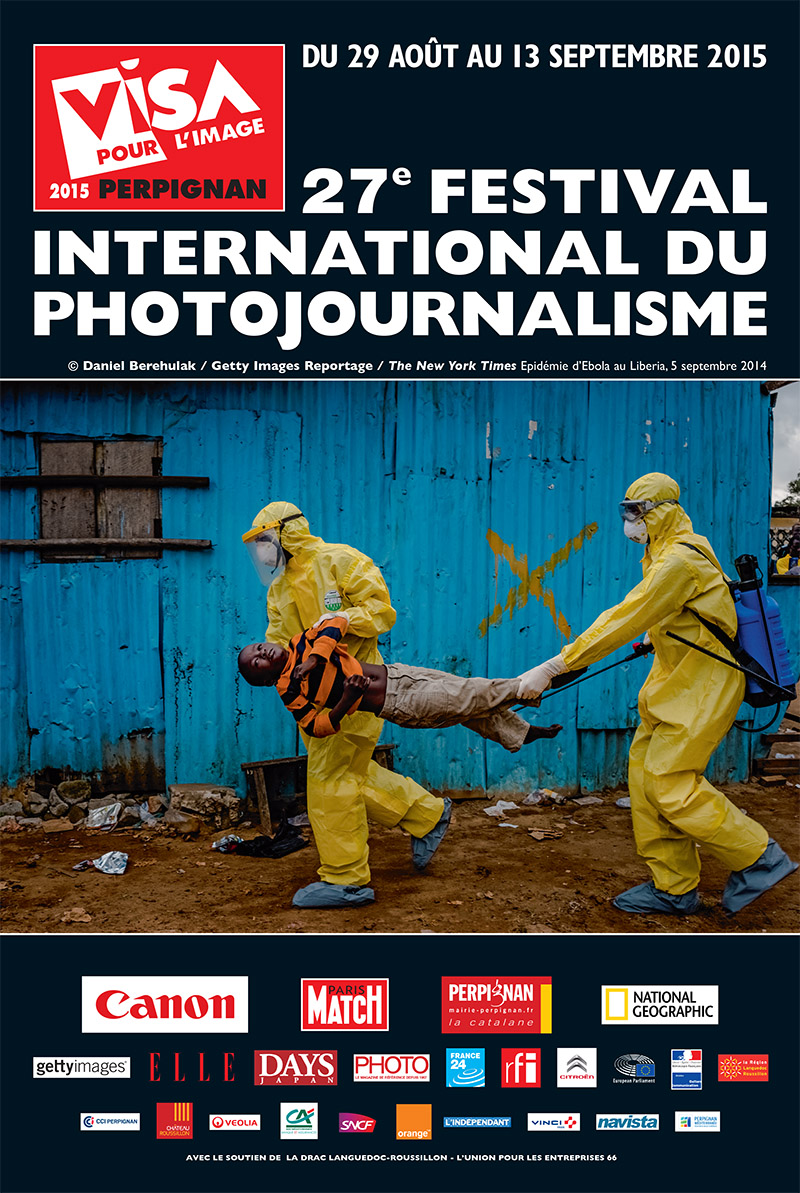
2015 - Coming soon online
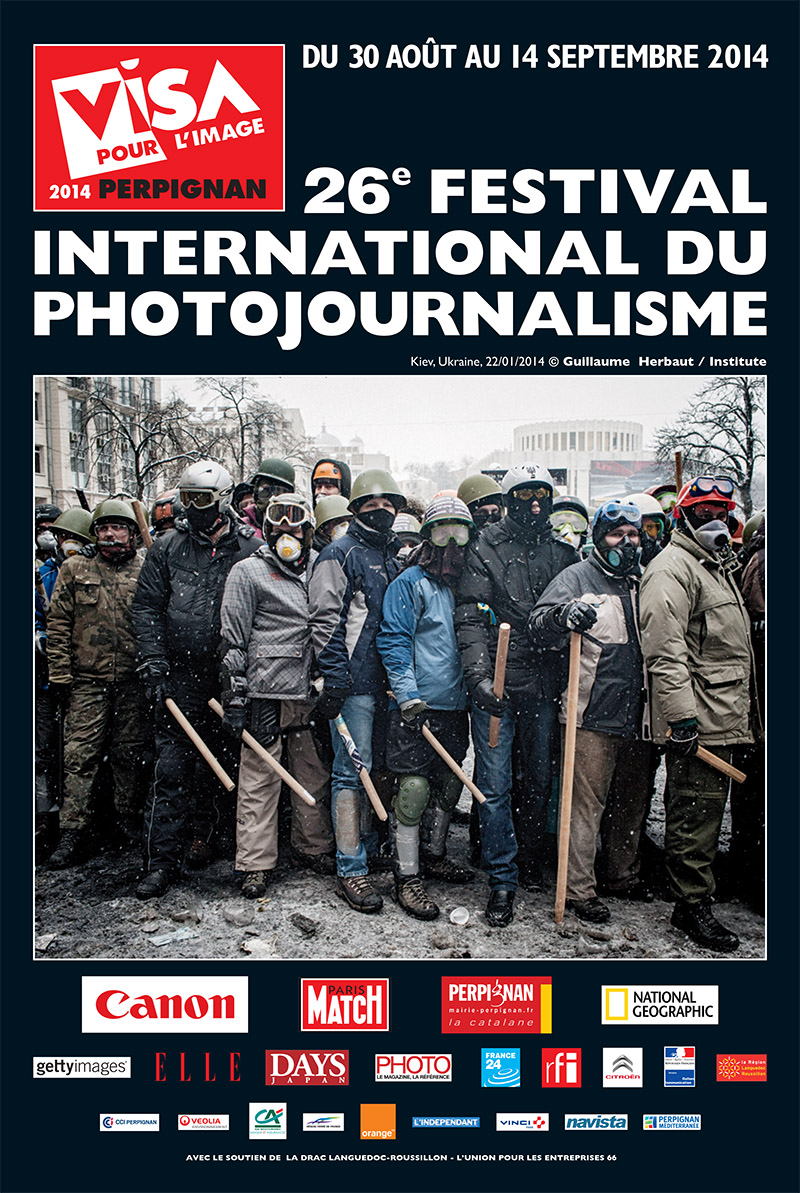
2014 - Coming soon online
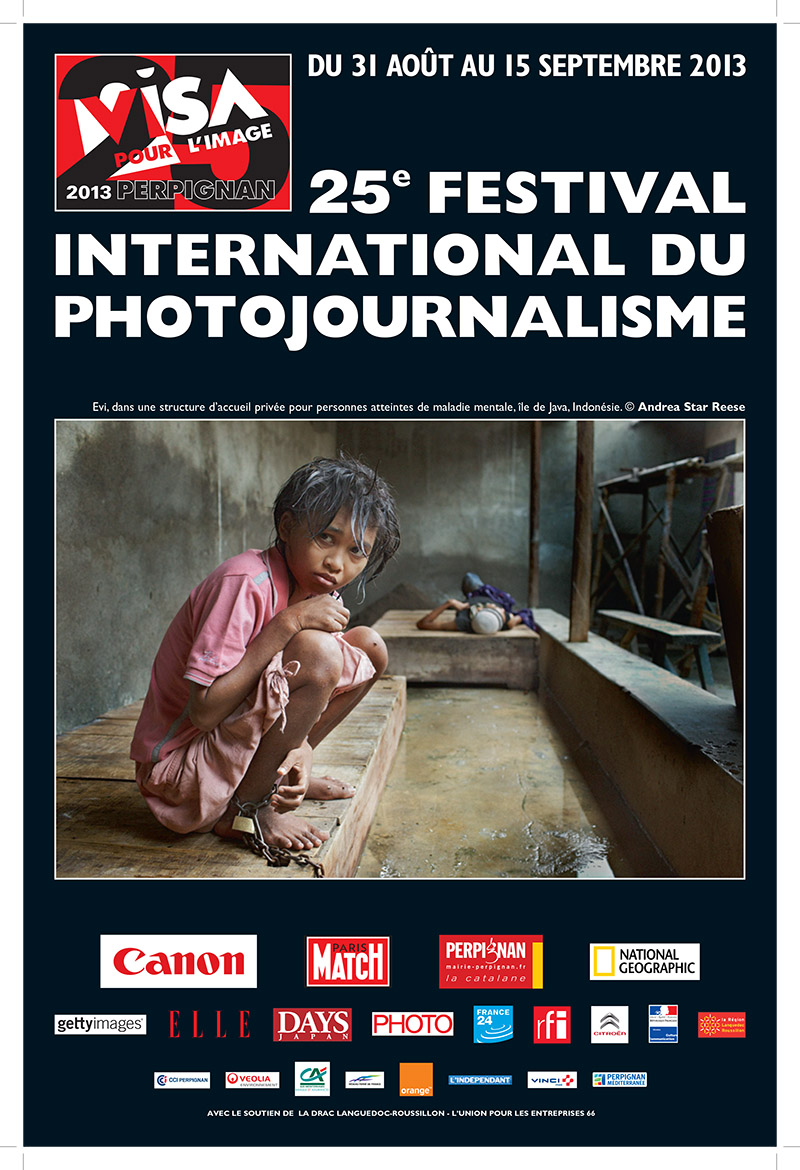
2013 - Coming soon online
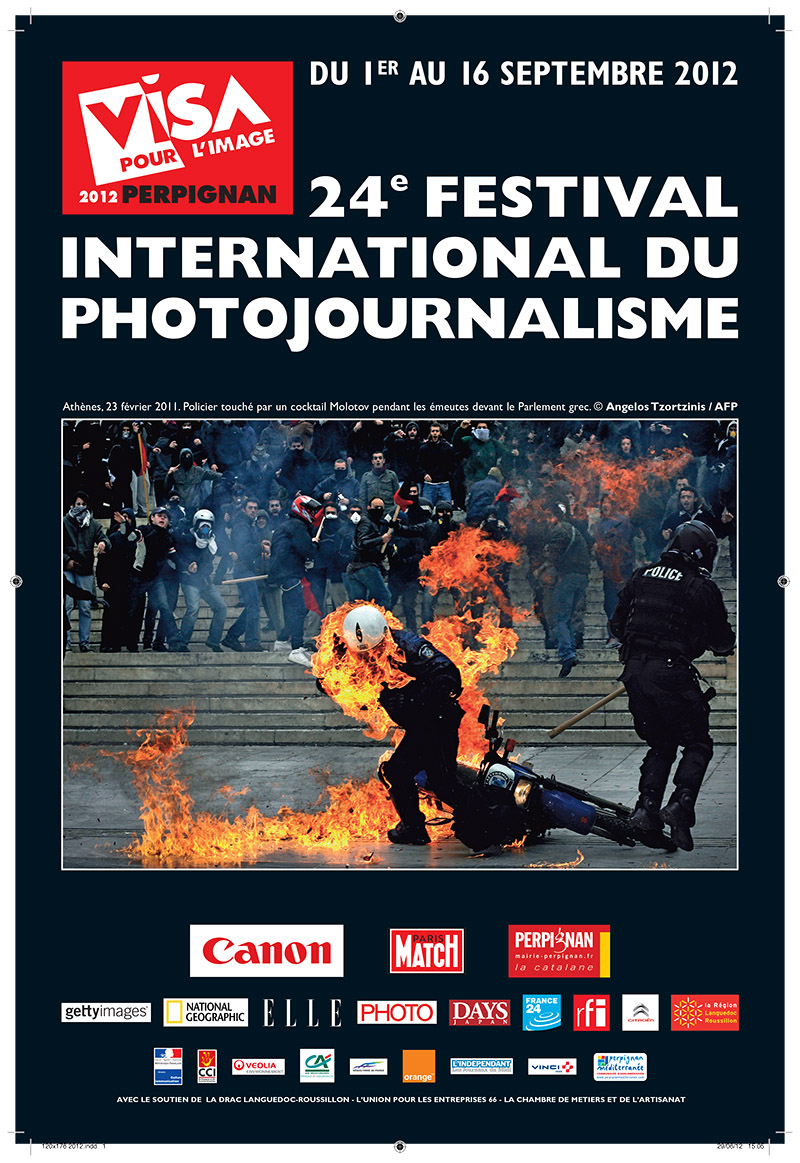
2012 - Coming soon online
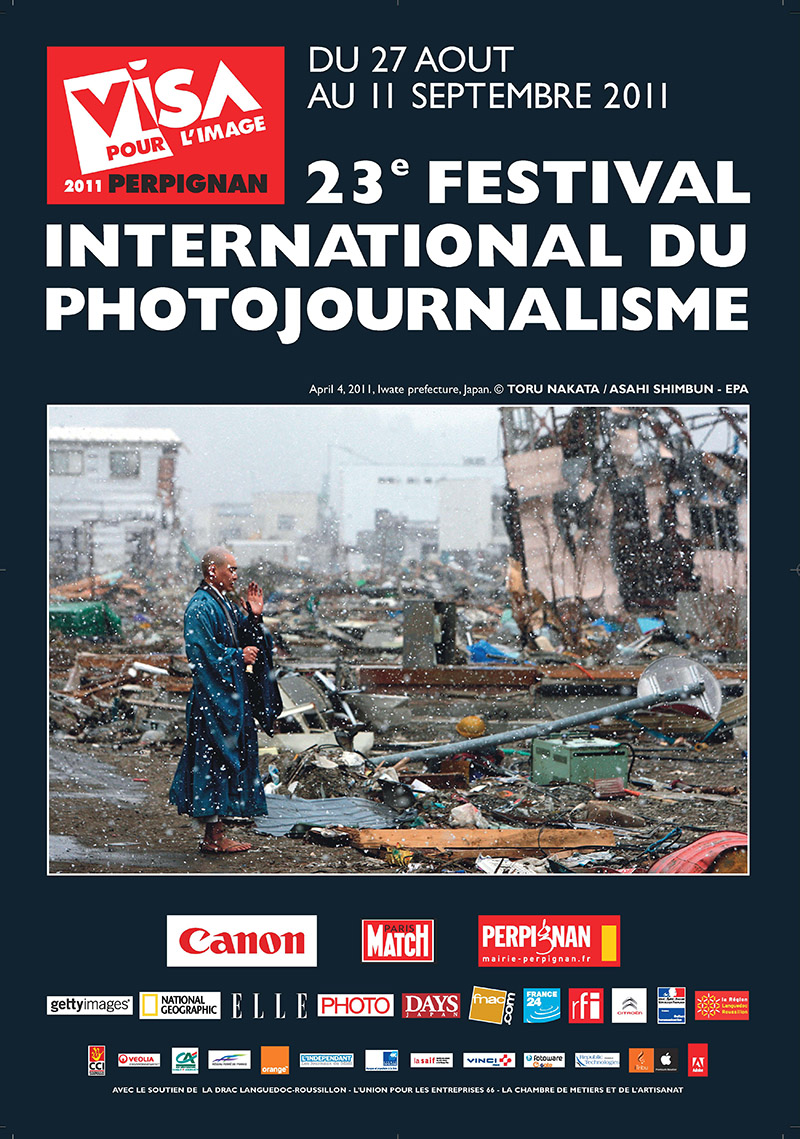
2011 - Coming soon online
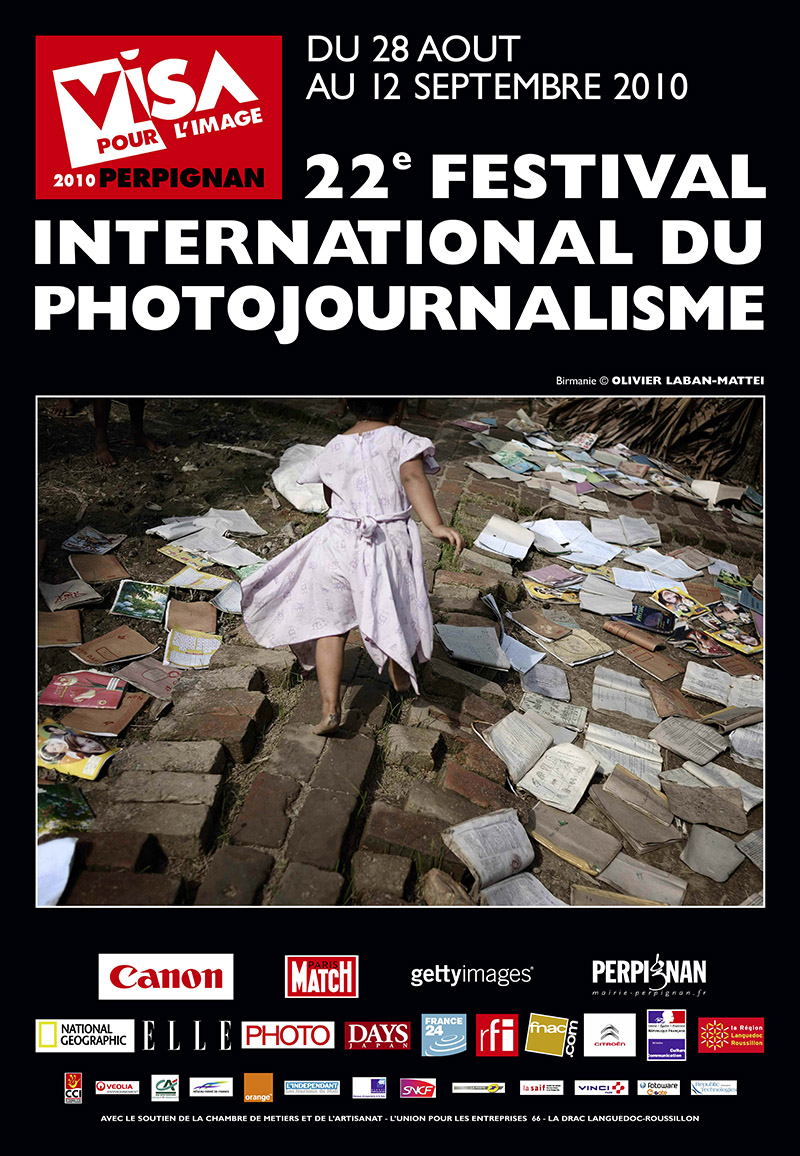
2010 - Coming soon online
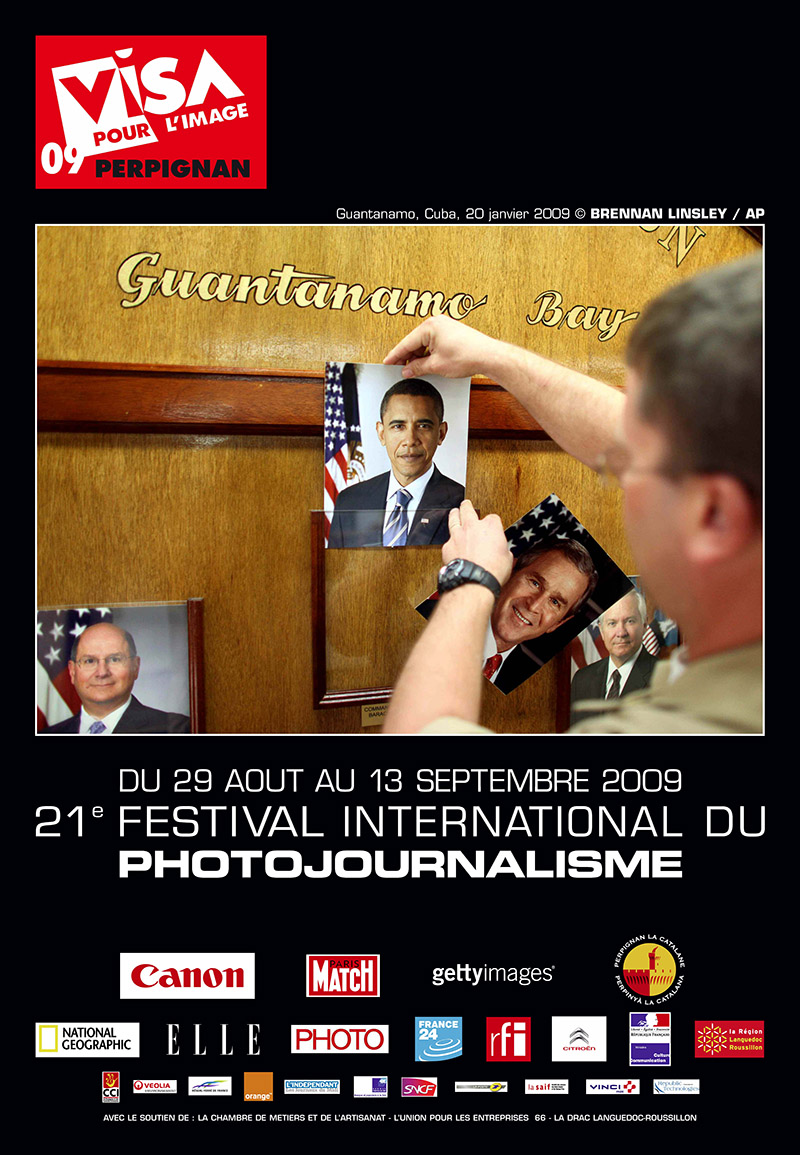
2009 - Coming soon online
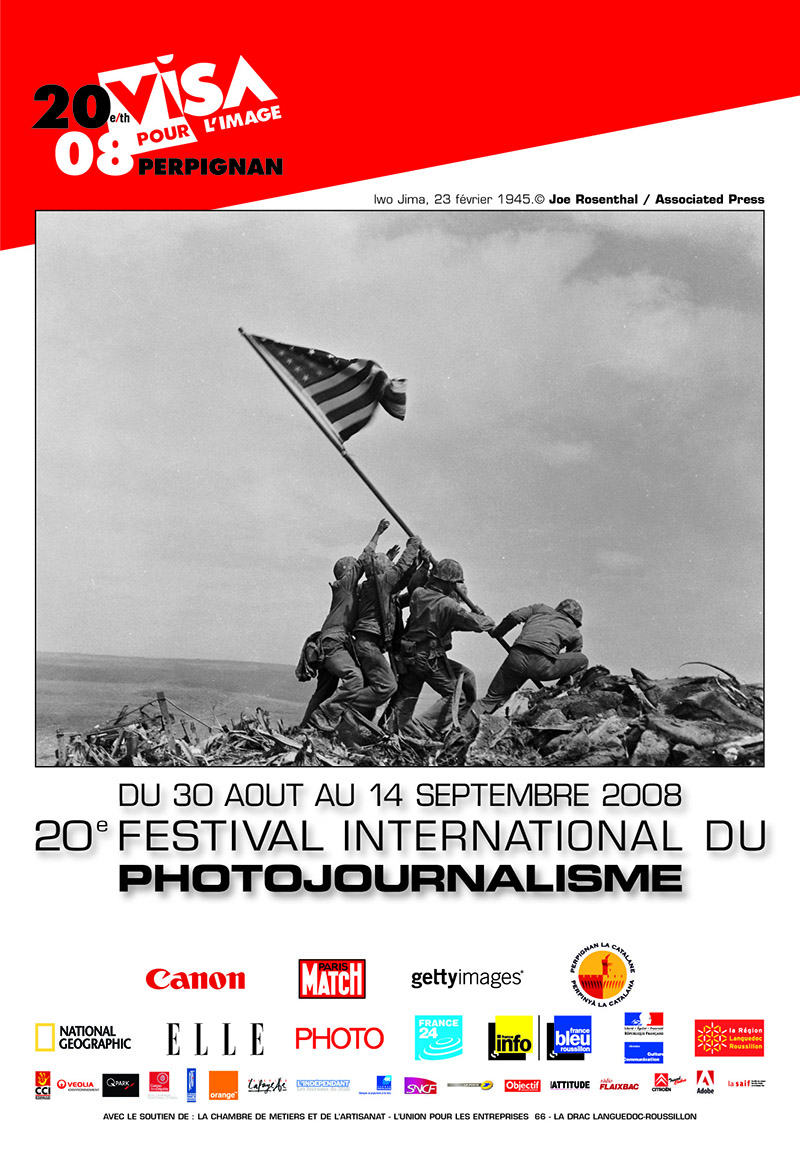
2008 - Coming soon online
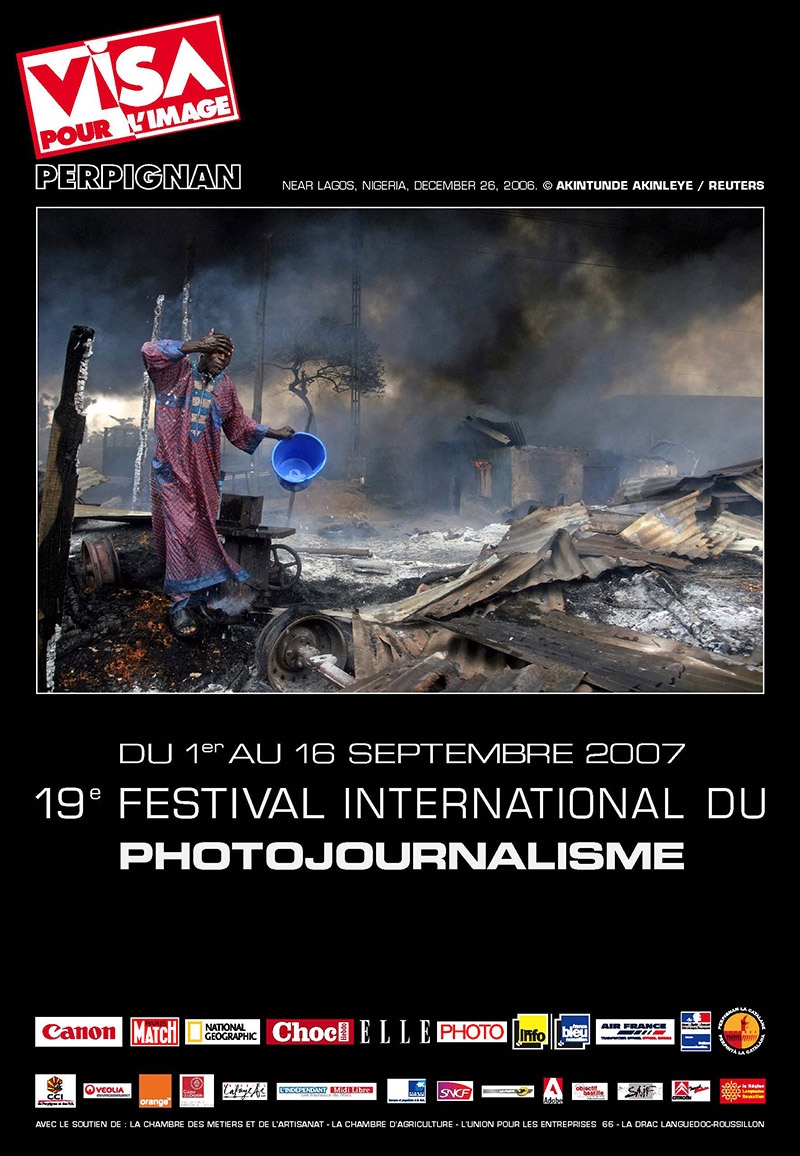
2007 - Coming soon online
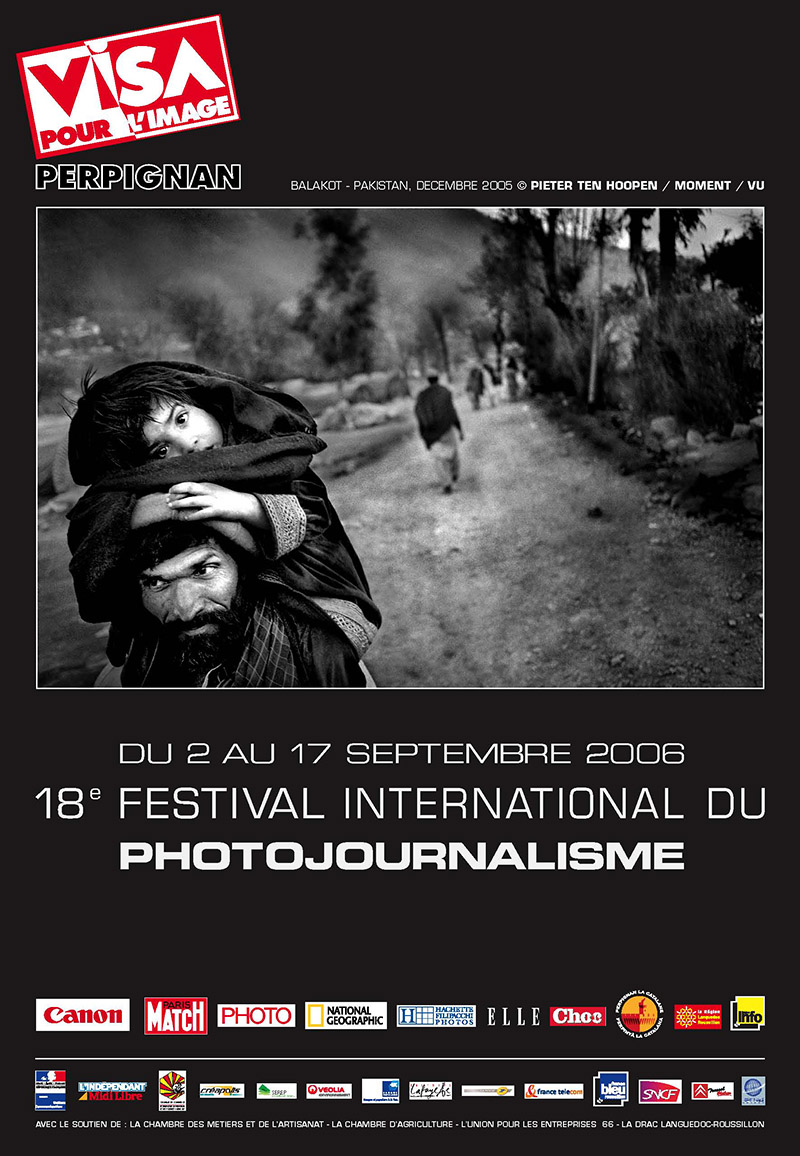
2006 - Coming soon
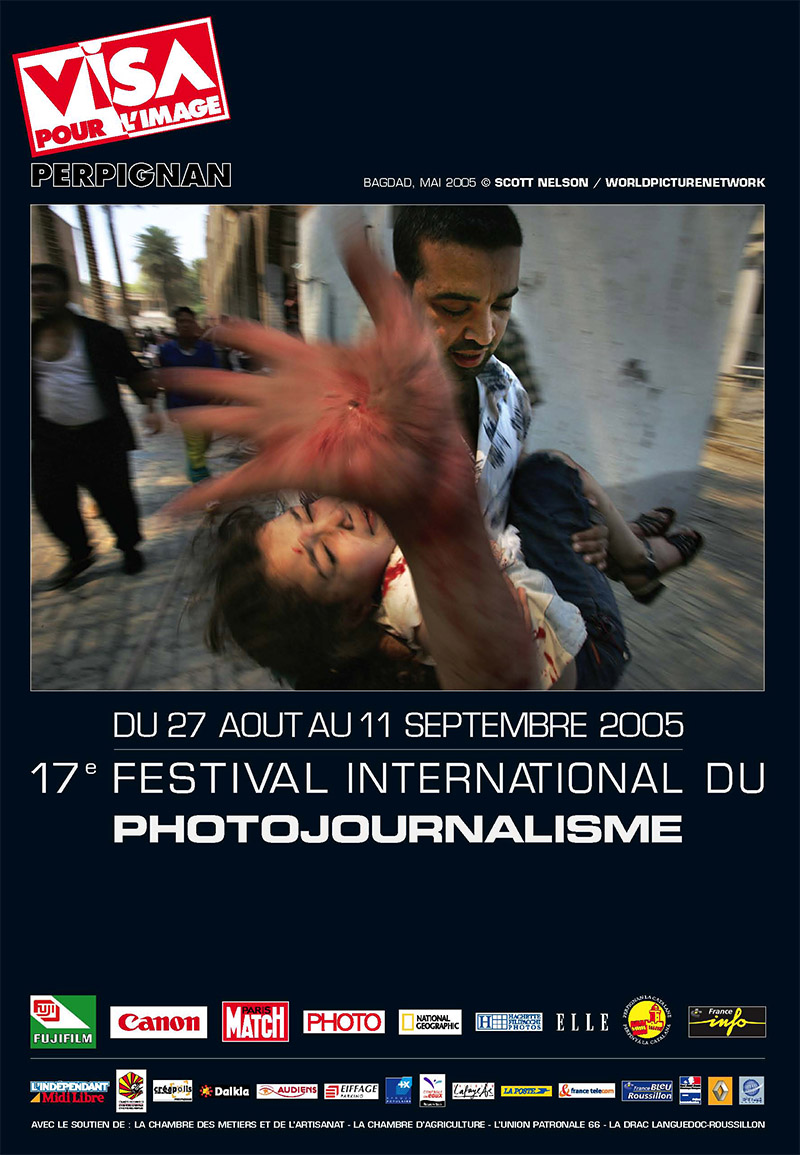
2005 - Coming soon online
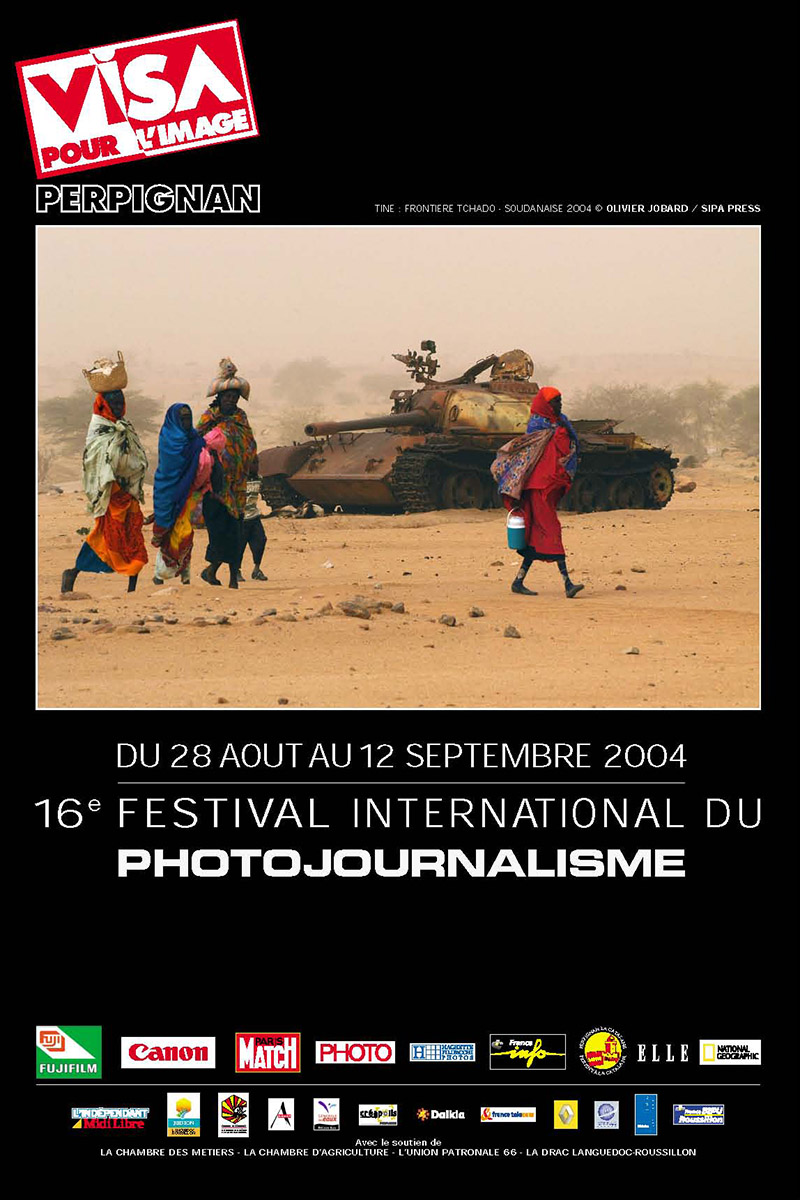
2004 - Coming soon online
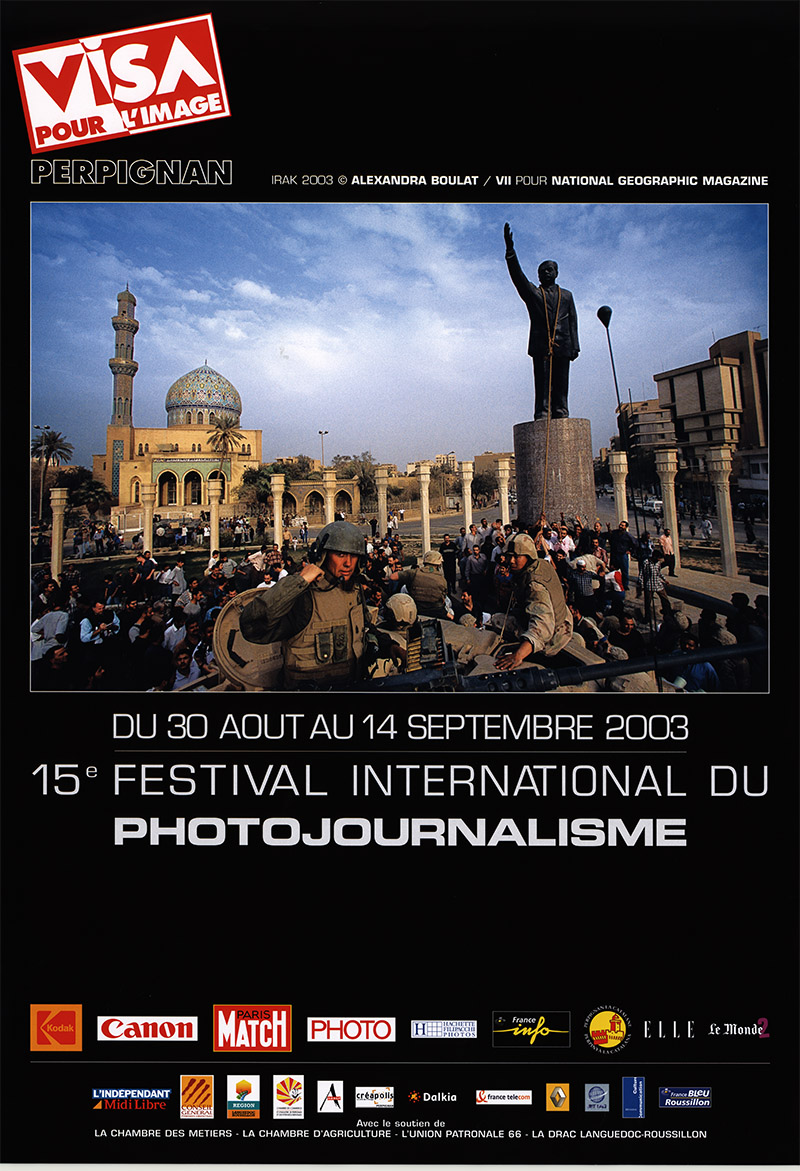
2003 - Coming soon
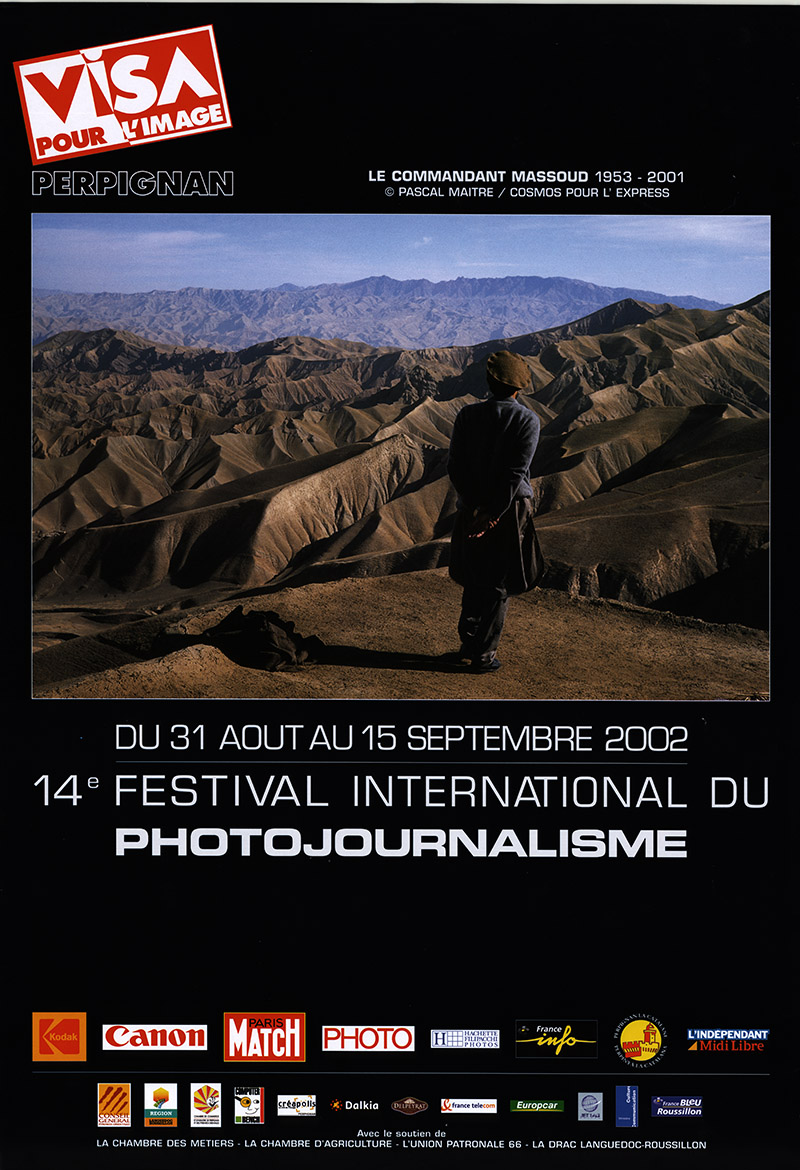
2002 - Coming soon
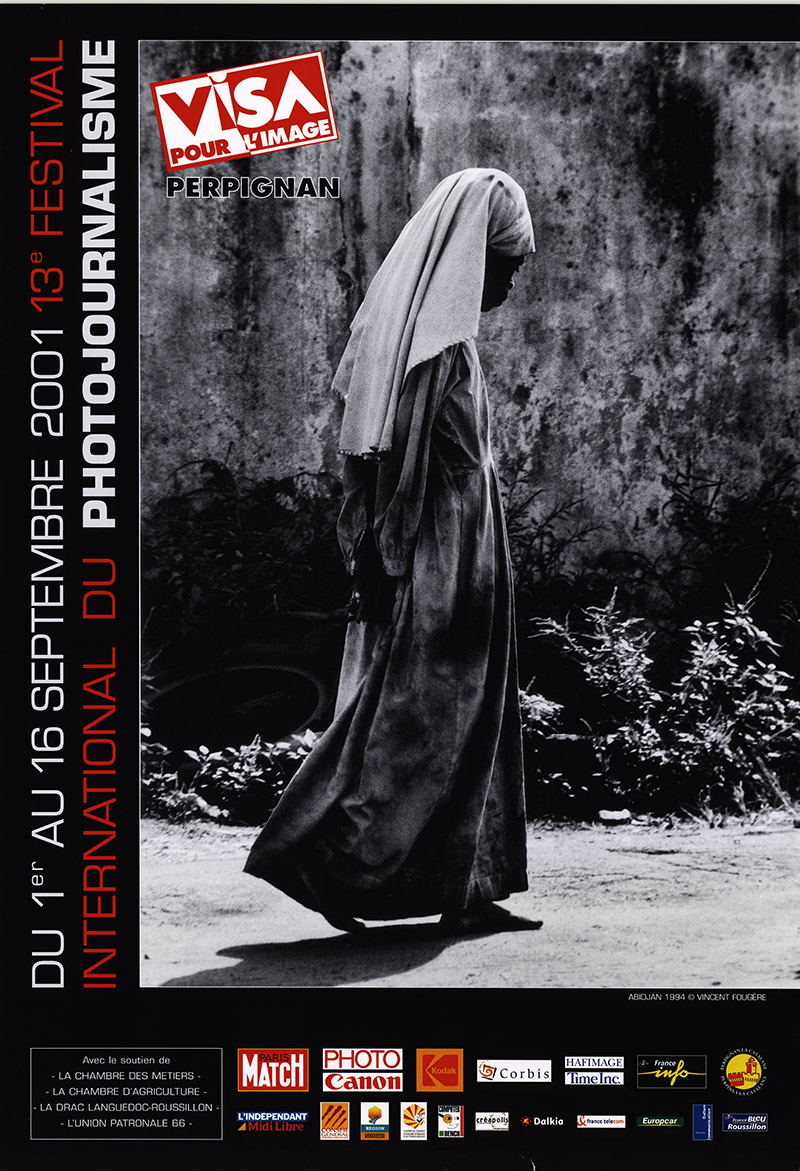
2001 - Coming soon online

2001 - Coming soon online
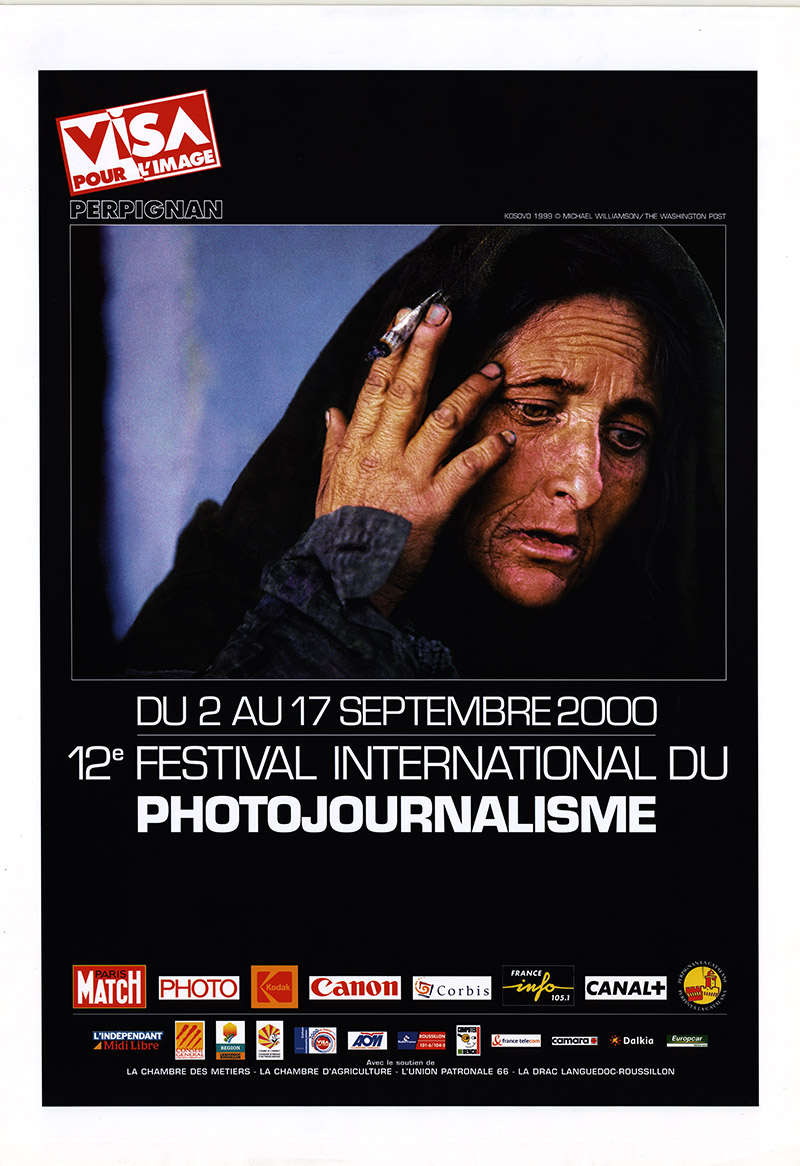
2000 - Coming soon online
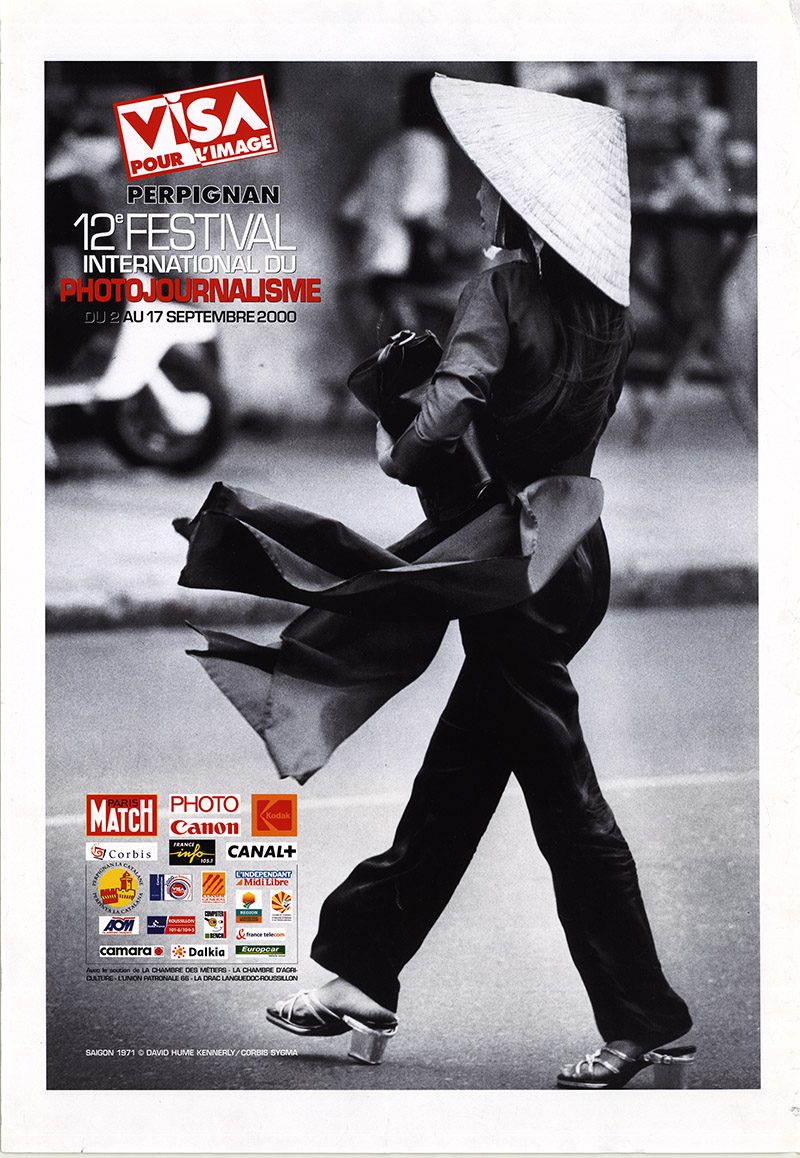
2000 - Coming soon online
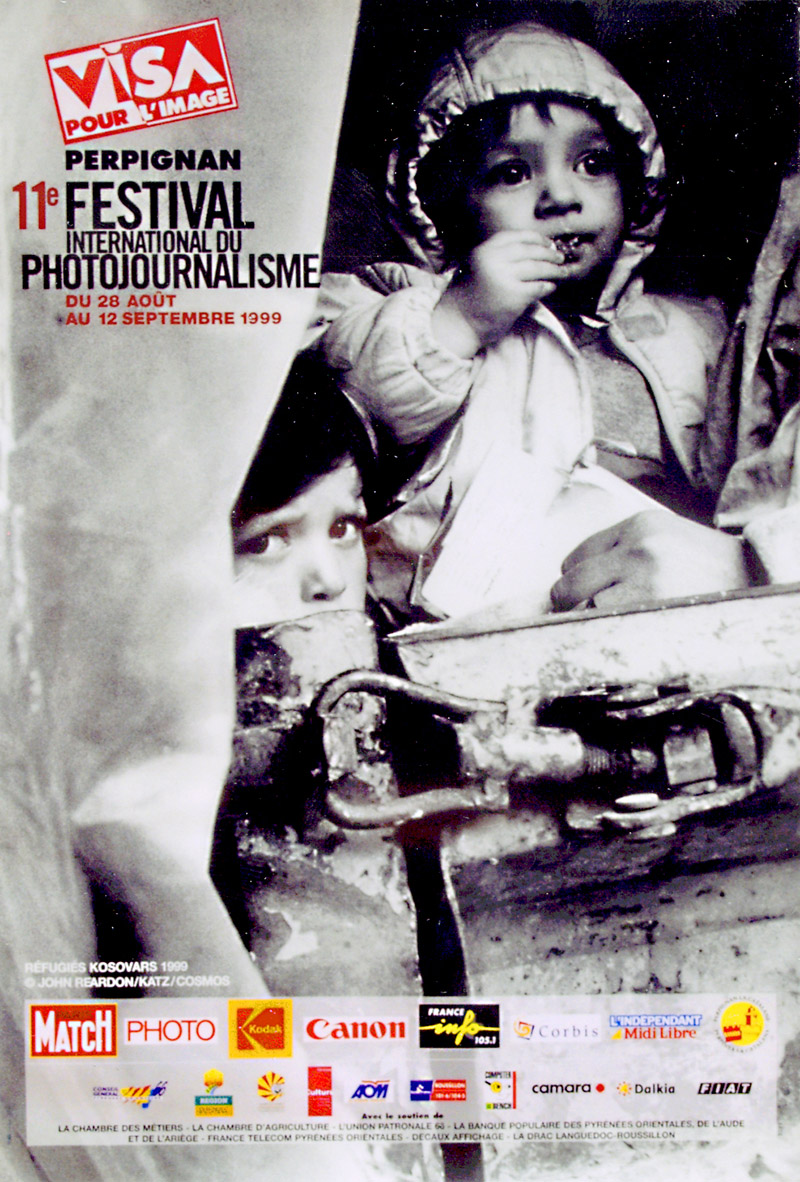
1999 - Coming soon
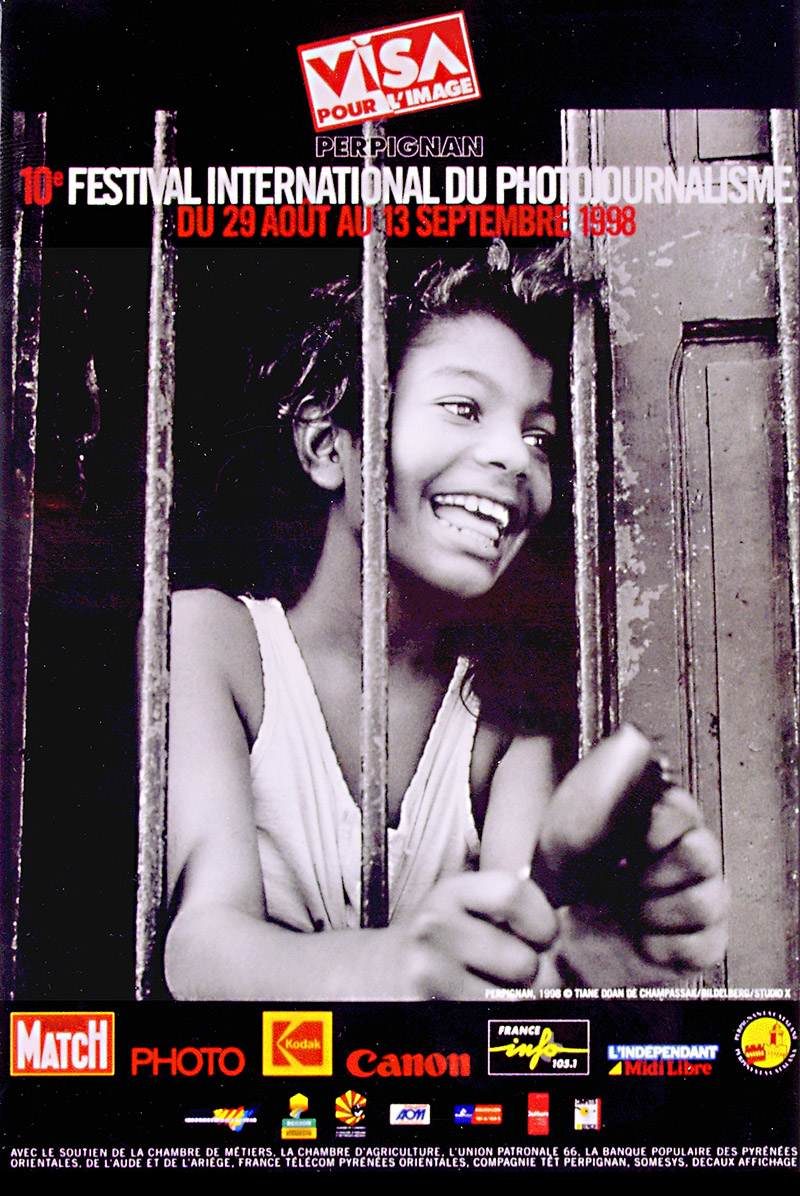
1998 - Coming soon
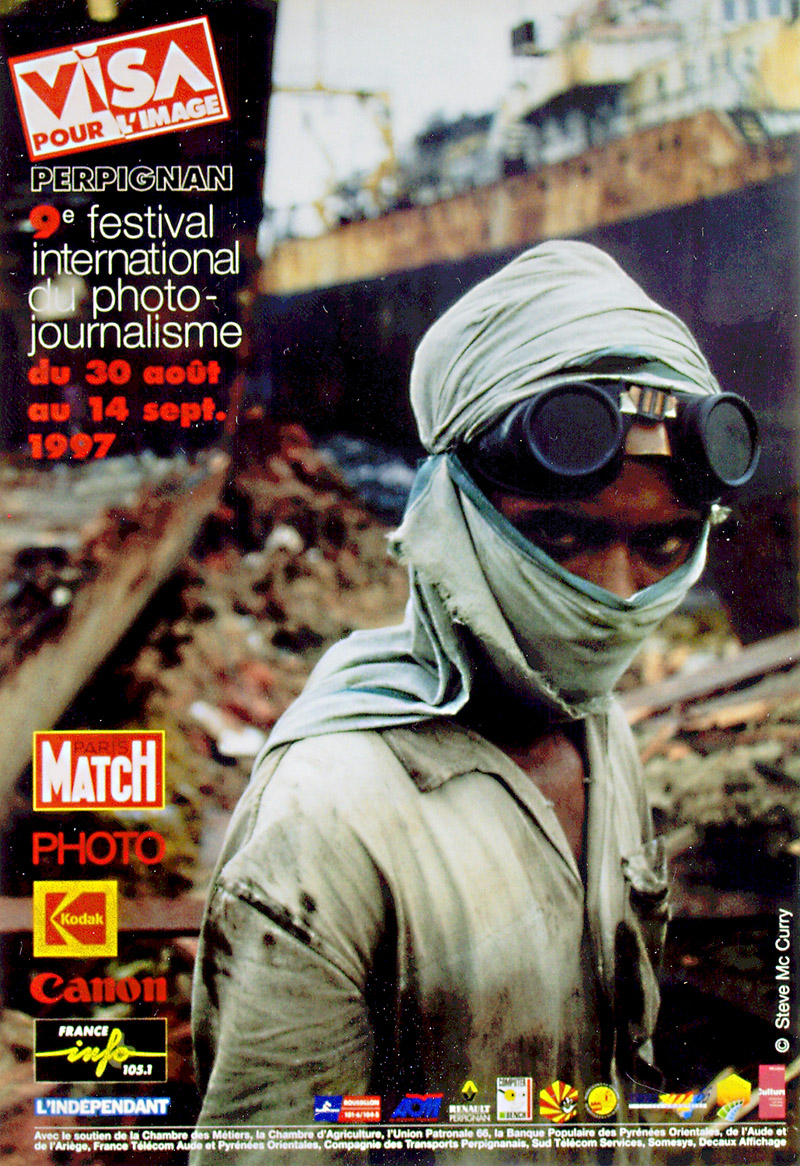
1997 - Coming soon online
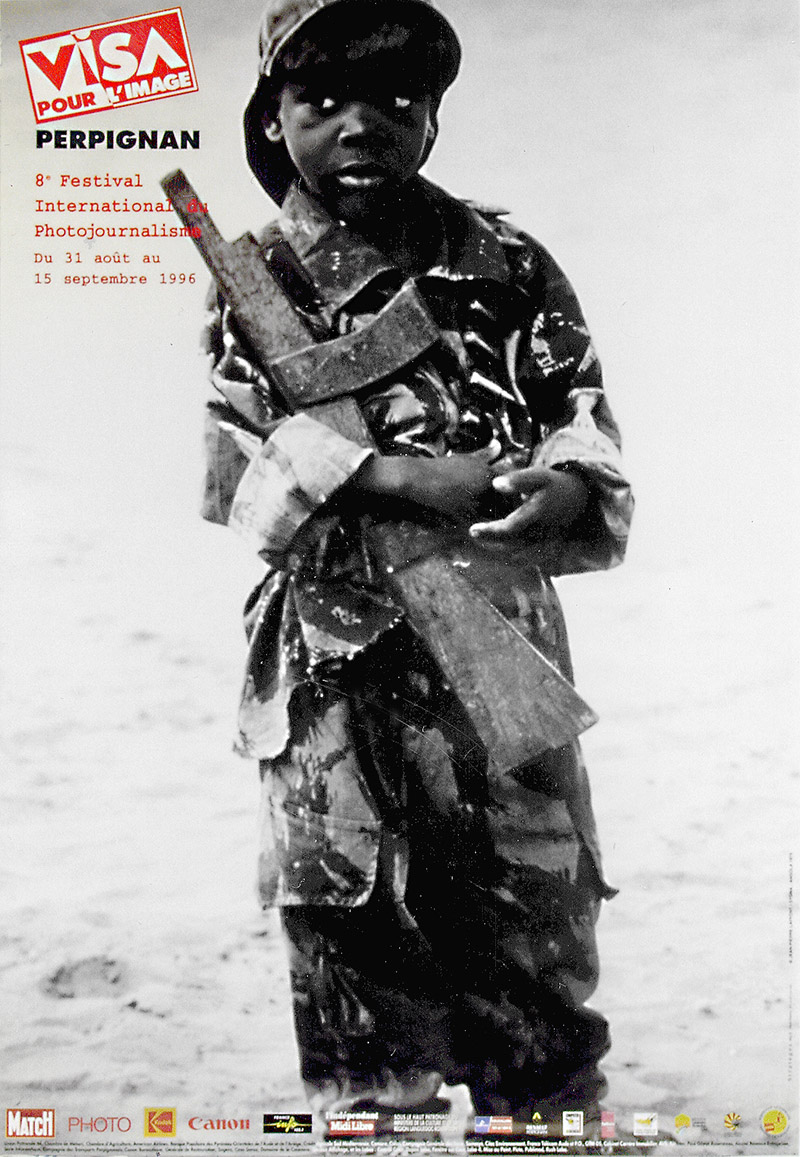
1996 - Coming soon

1995 - Coming soon
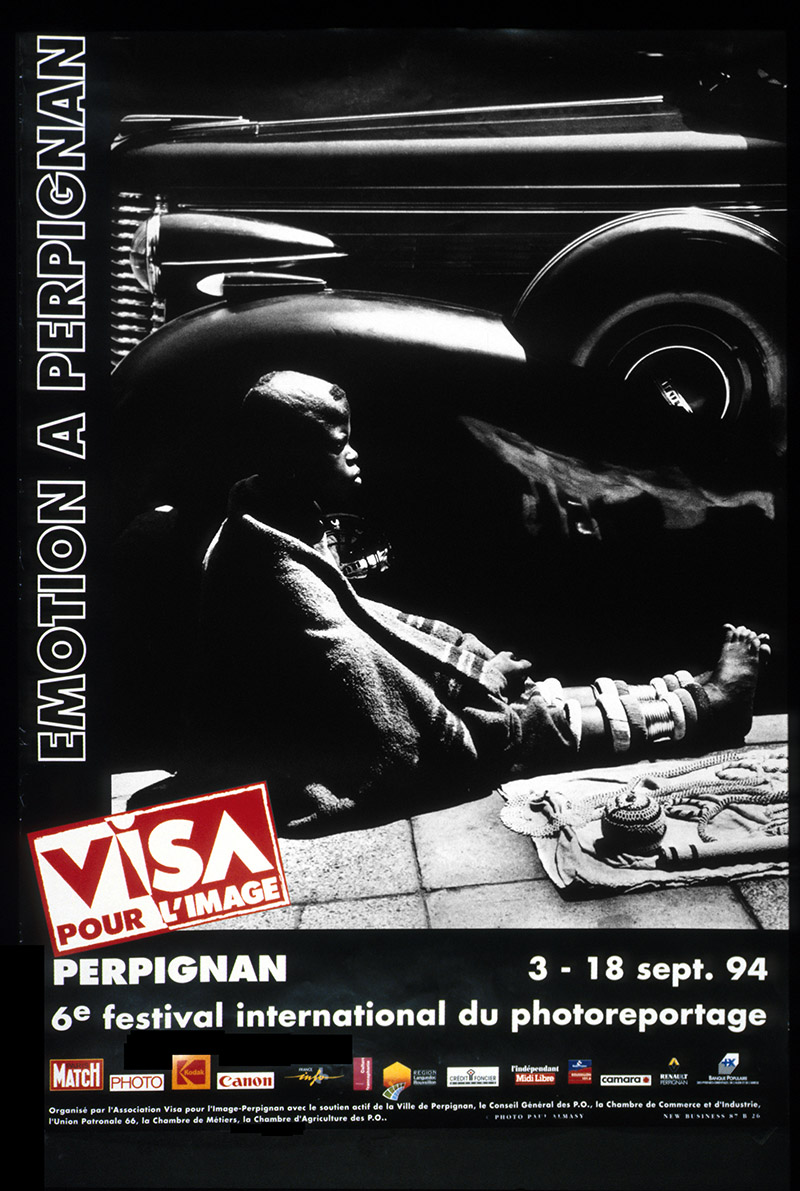
1994 - Coming soon online
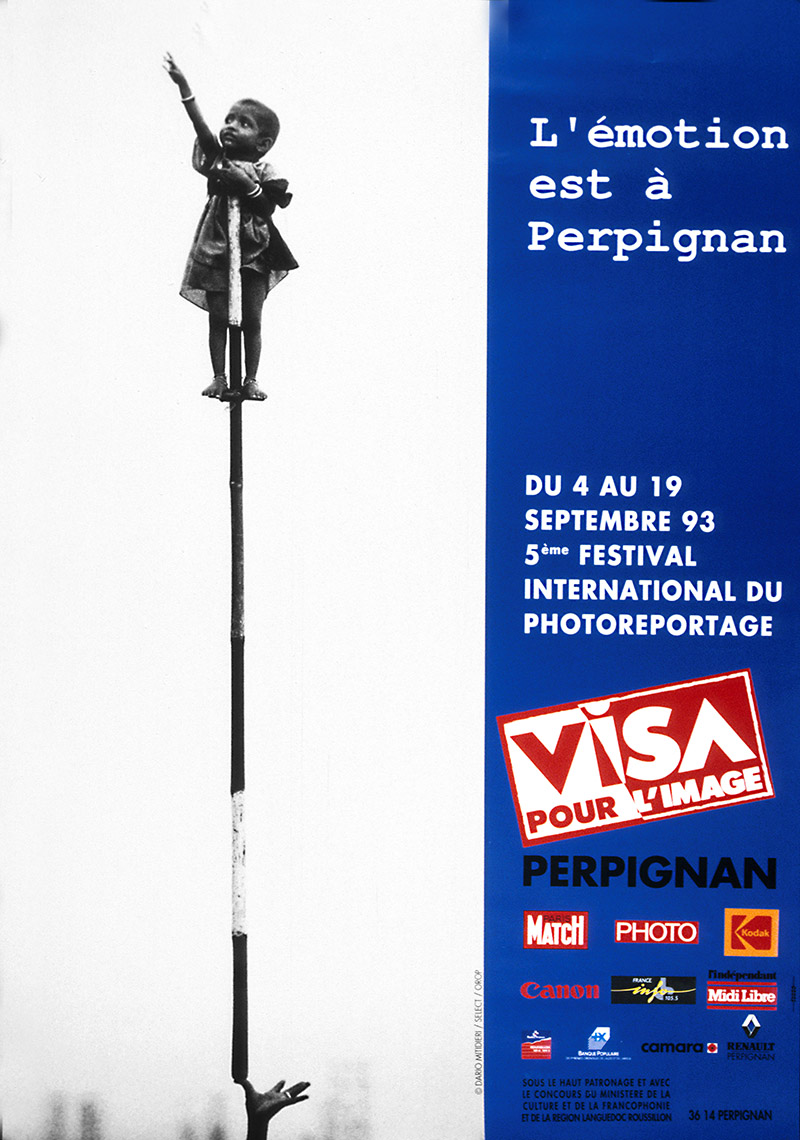
1993 - Coming soon
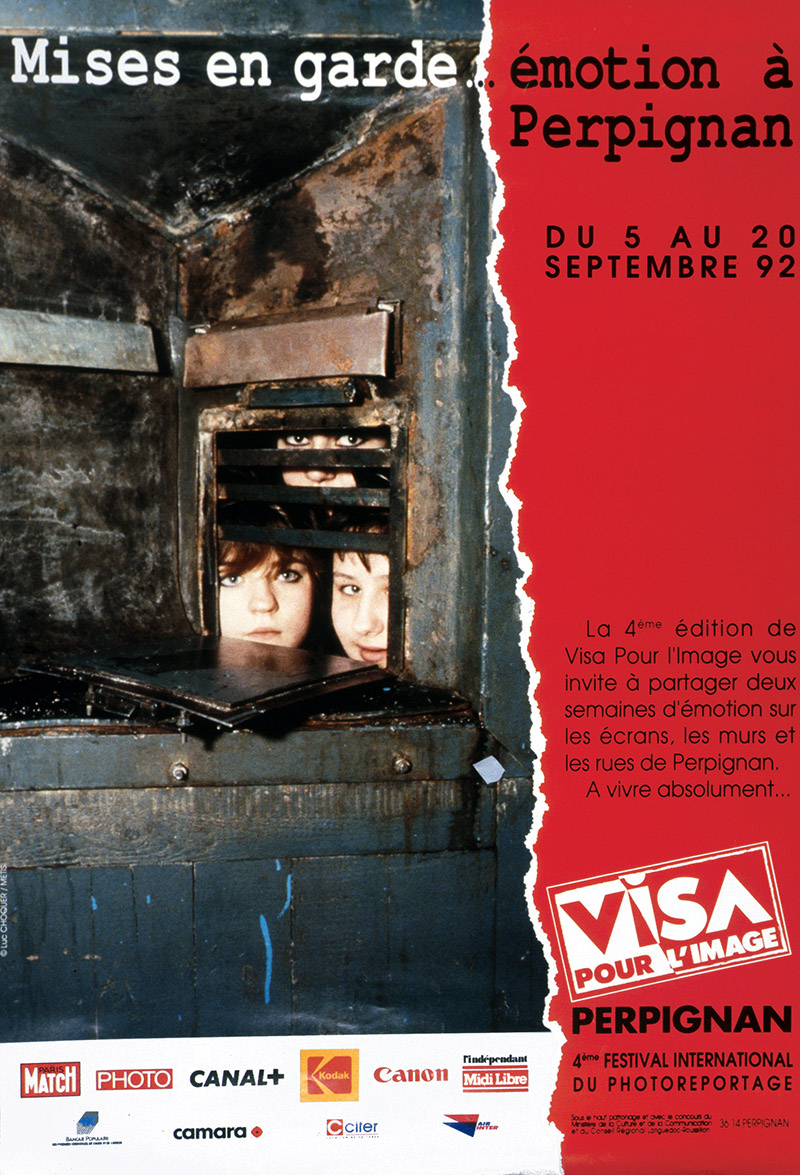
1992 - Coming soon
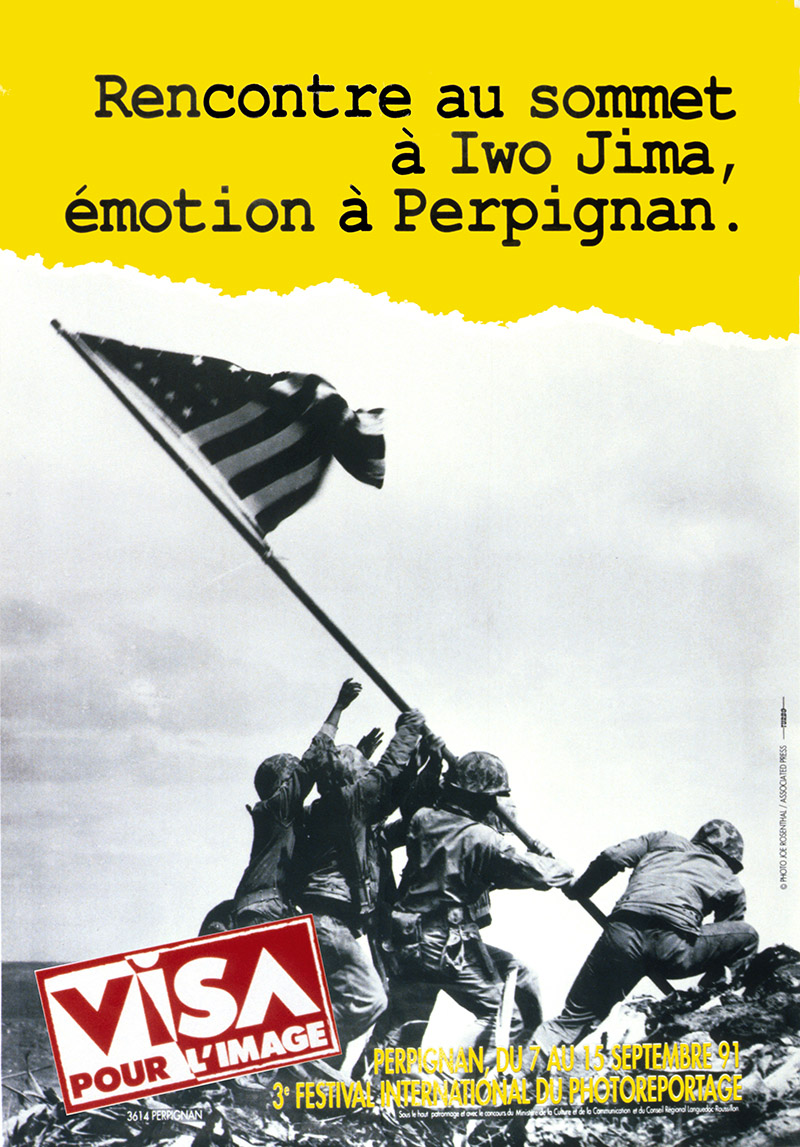
1991 - Coming soon
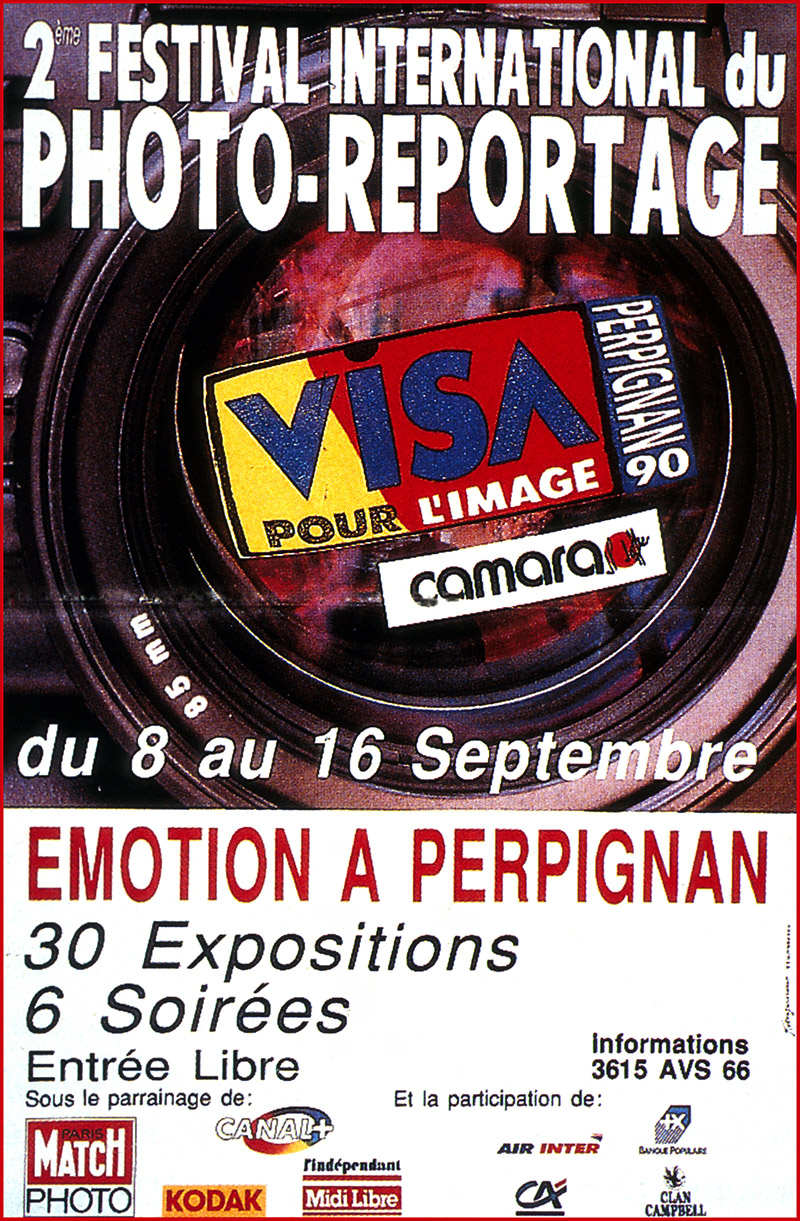
1990 - Coming soon

1989 - Coming soon
"Photographers let me see what is happening in the world."
- Jean-François Leroy, Director General of Visa pour l'Image
Over 30 editions covering the events that have shaped the world.
1989 - Coming soon
1990 - Coming soon
1991 - Coming soon
1992 - Coming soon
1993 - Coming soon
1994 - Coming soon online
1995 - Coming soon
1996 - Coming soon
1997 - Coming soon online
1998 - Coming soon
1999 - Coming soon
2000 - Coming soon online
2000 - Coming soon online
2001 - Coming soon online
2001 - Coming soon online
2002 - Coming soon
2003 - Coming soon
2004 - Coming soon online
2005 - Coming soon online
2006 - Coming soon
2007 - Coming soon online
2008 - Coming soon online
2009 - Coming soon online
2010 - Coming soon online
2011 - Coming soon online
2012 - Coming soon online
2013 - Coming soon online
2014 - Coming soon online
2015 - Coming soon online
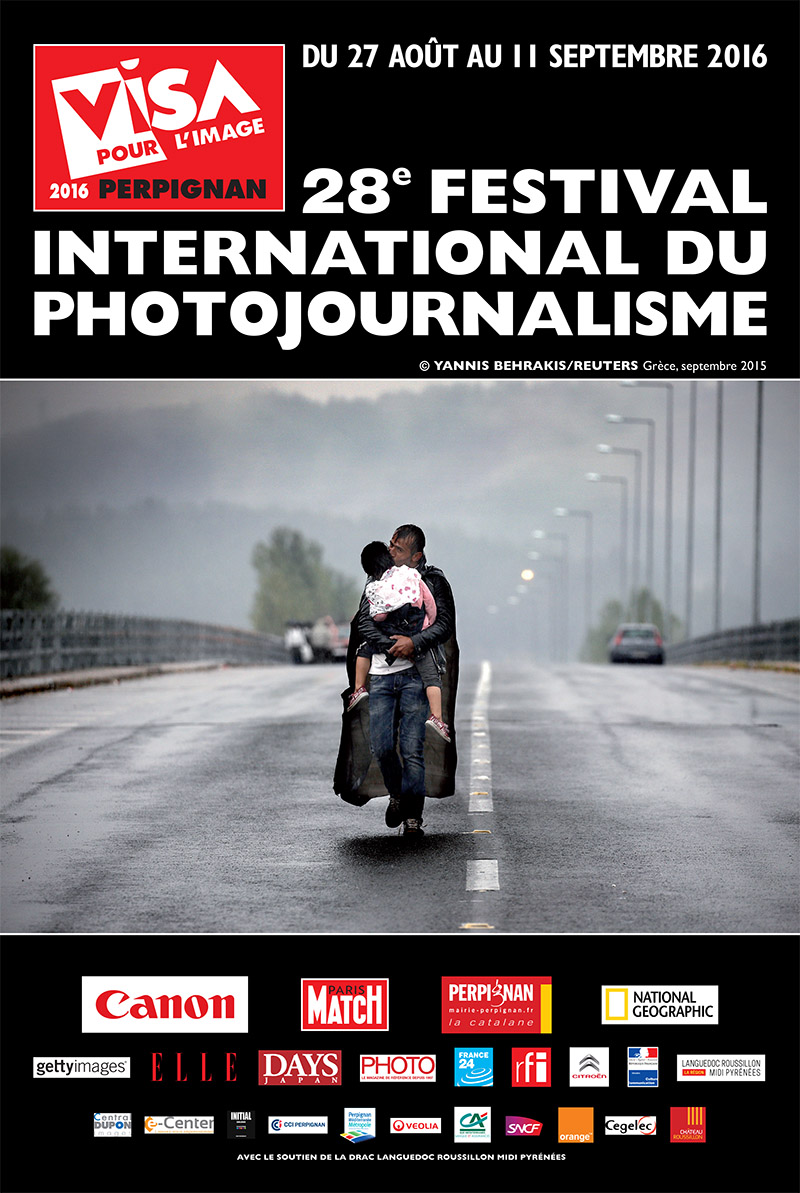
2016
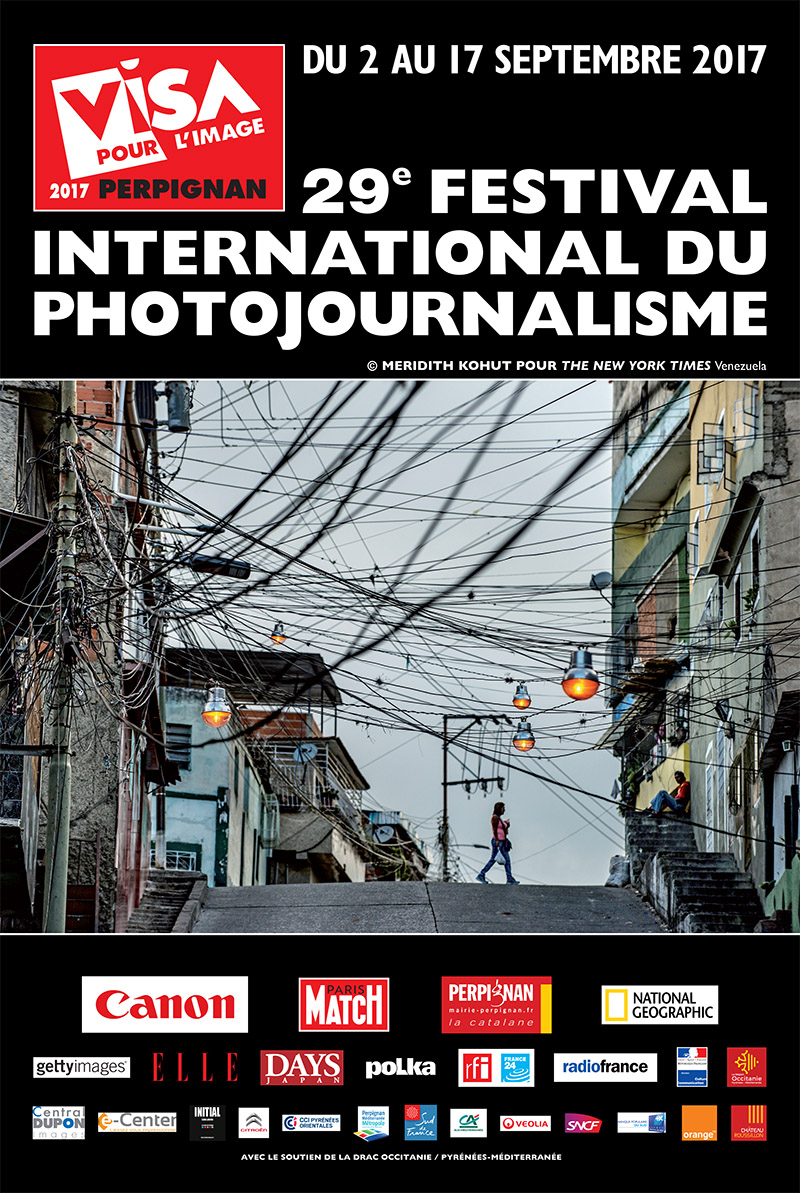
2017
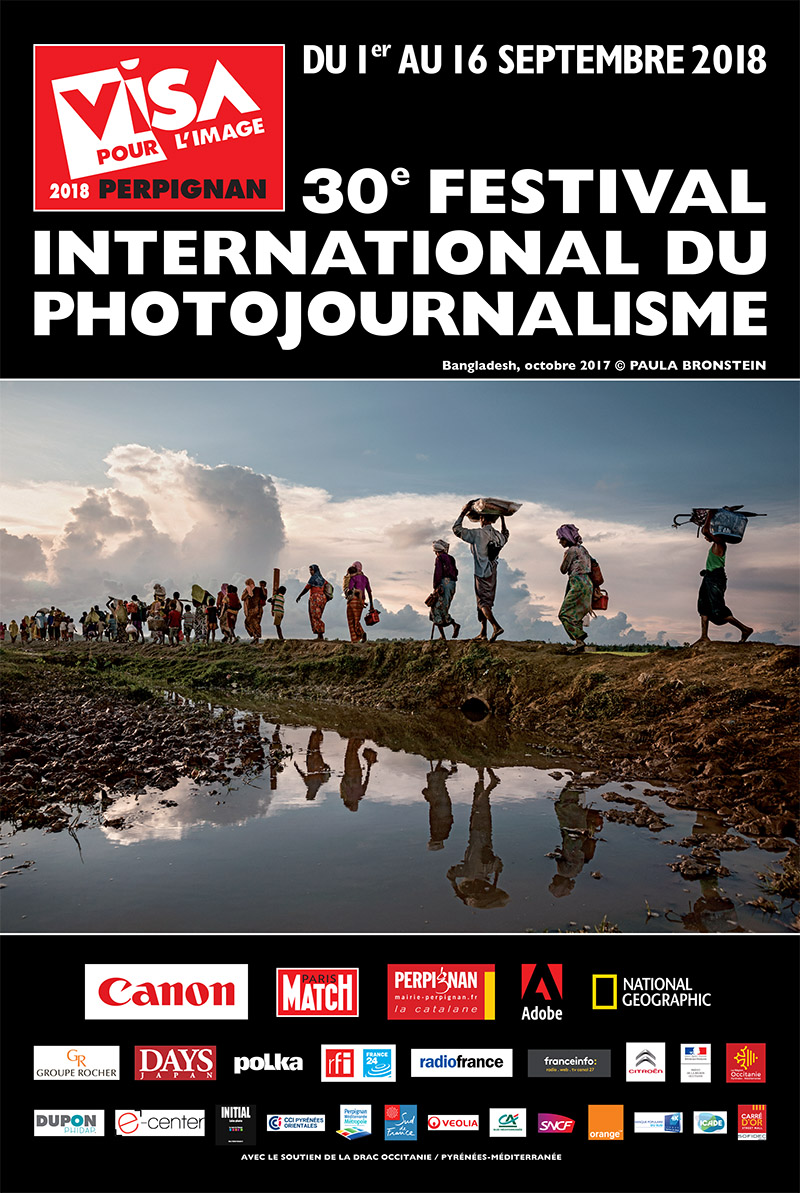
2018
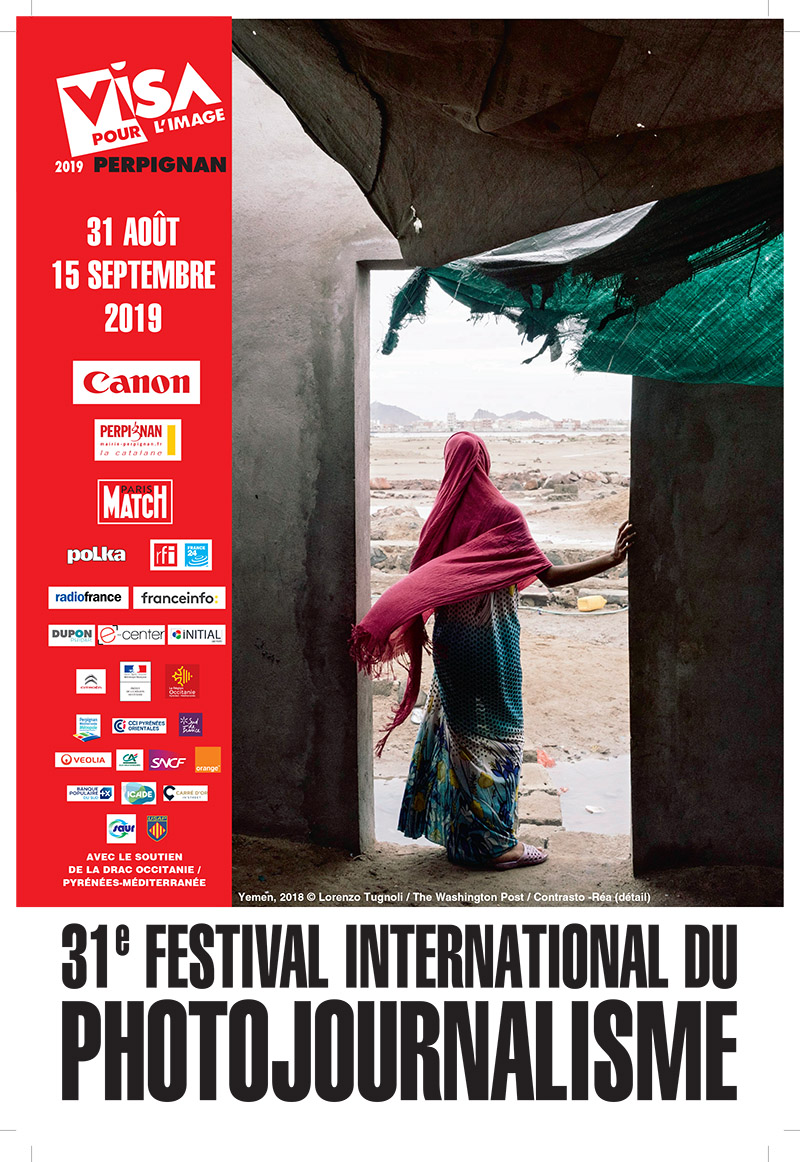
2019
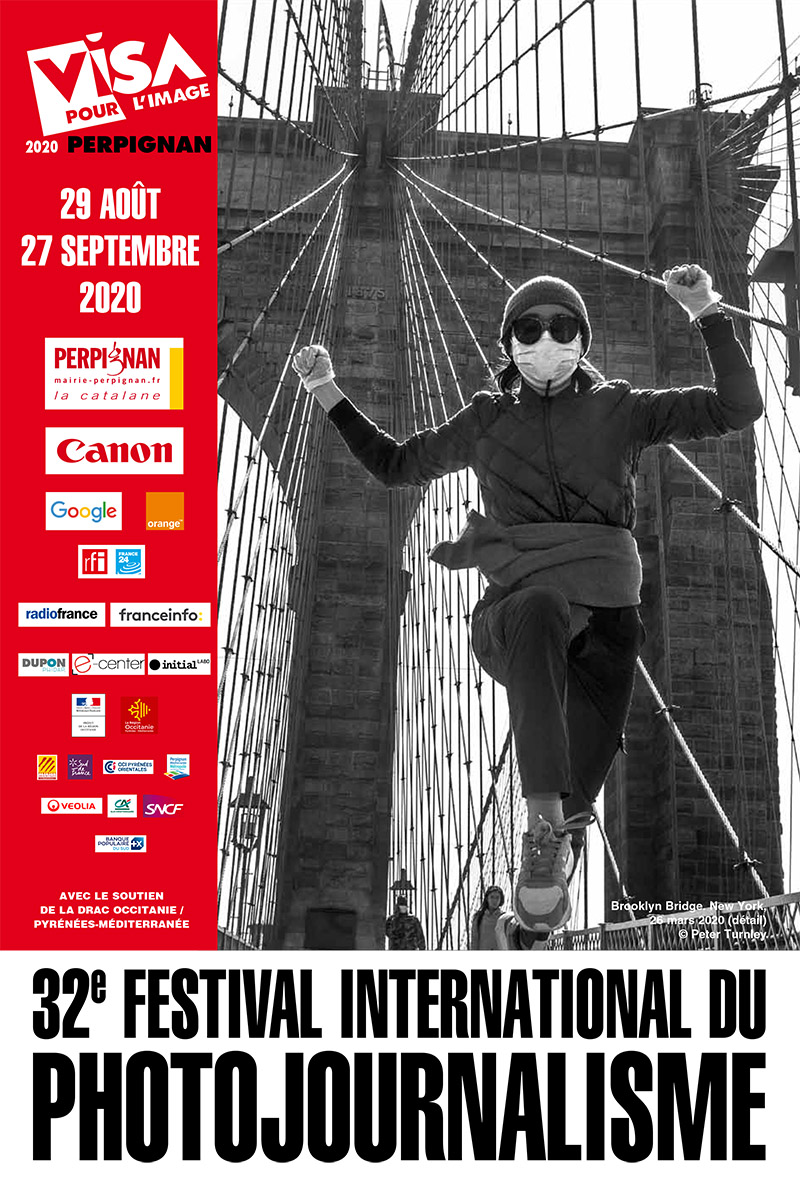
2020
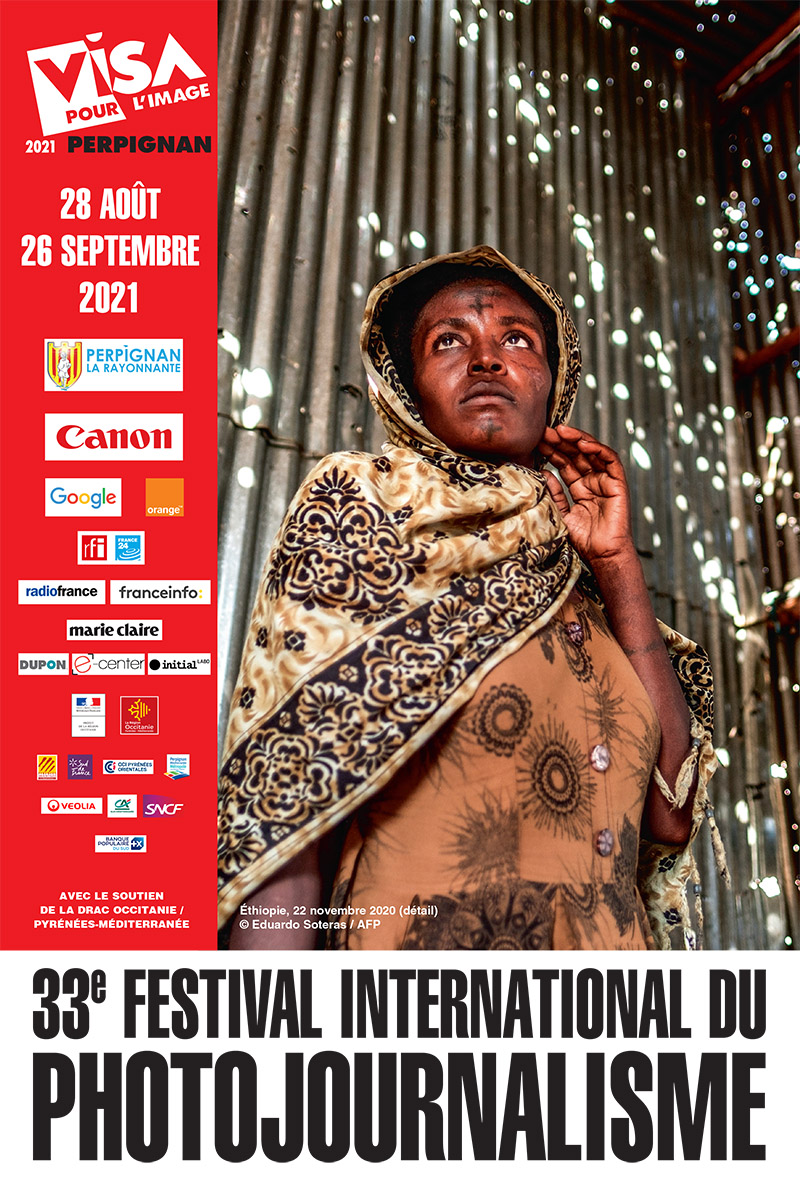
2021
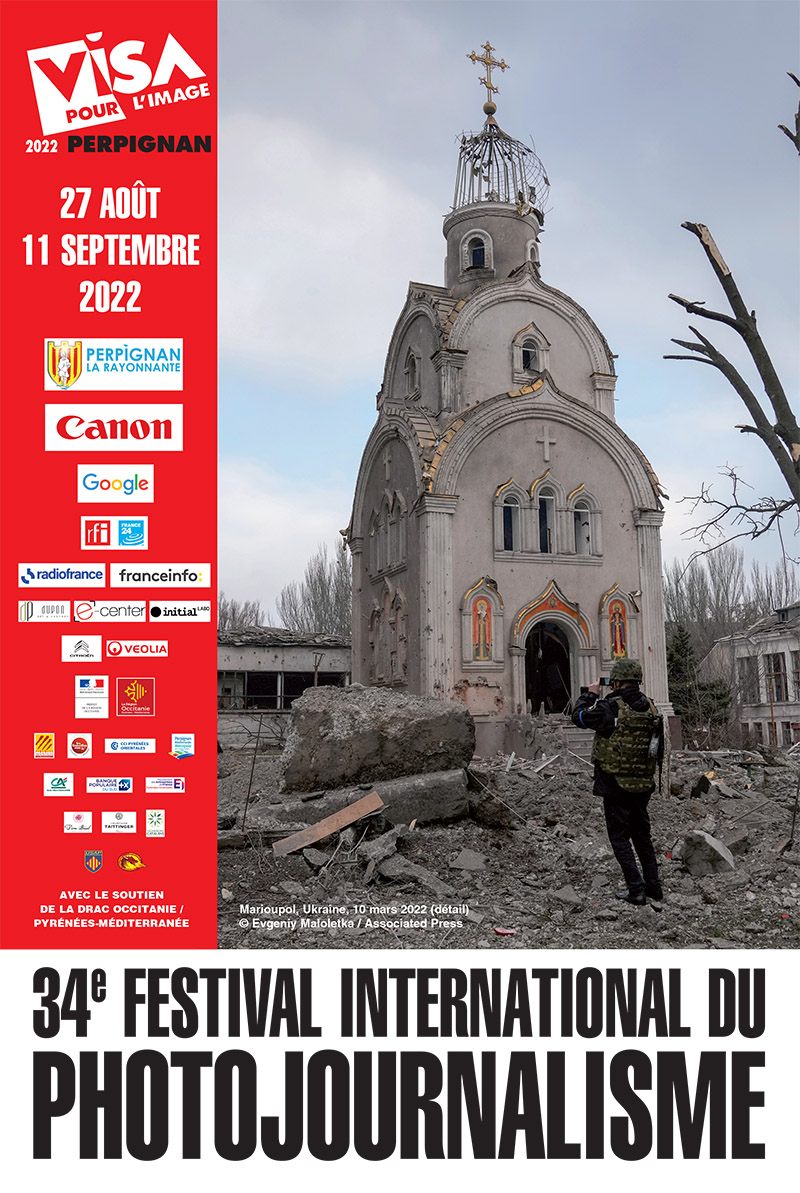
2022
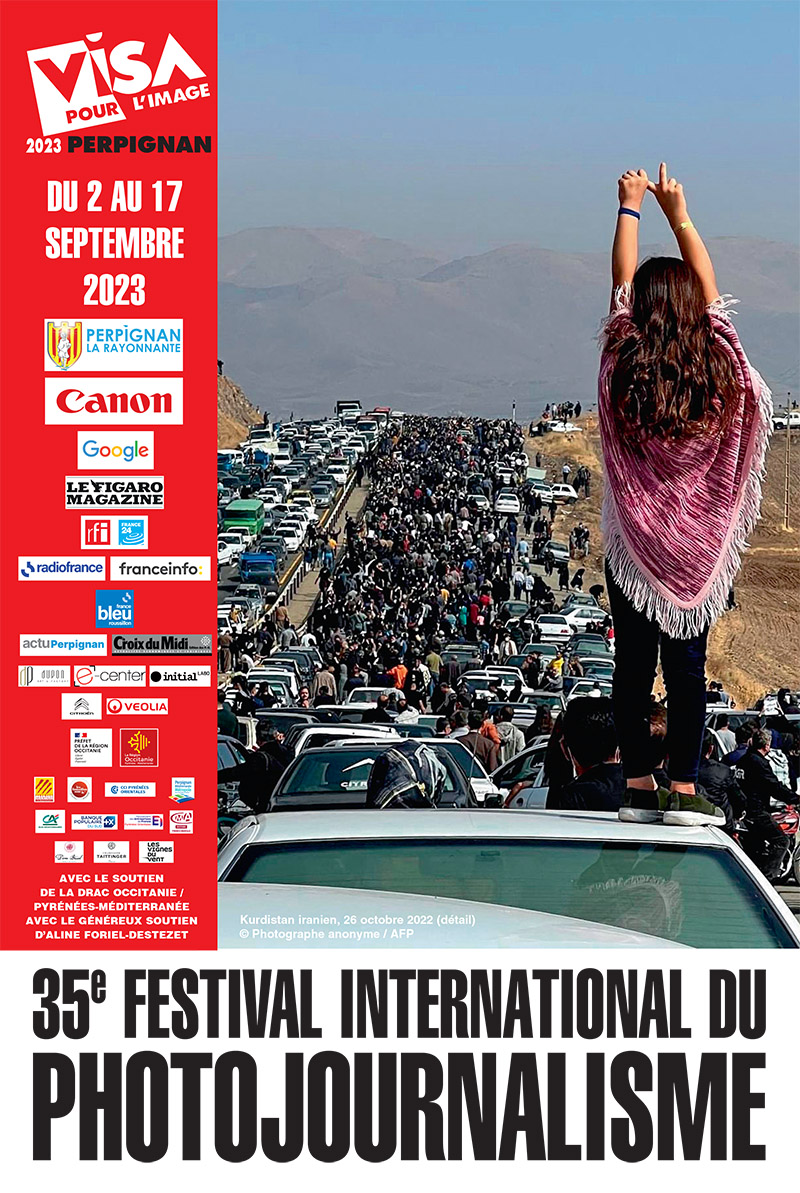
2023
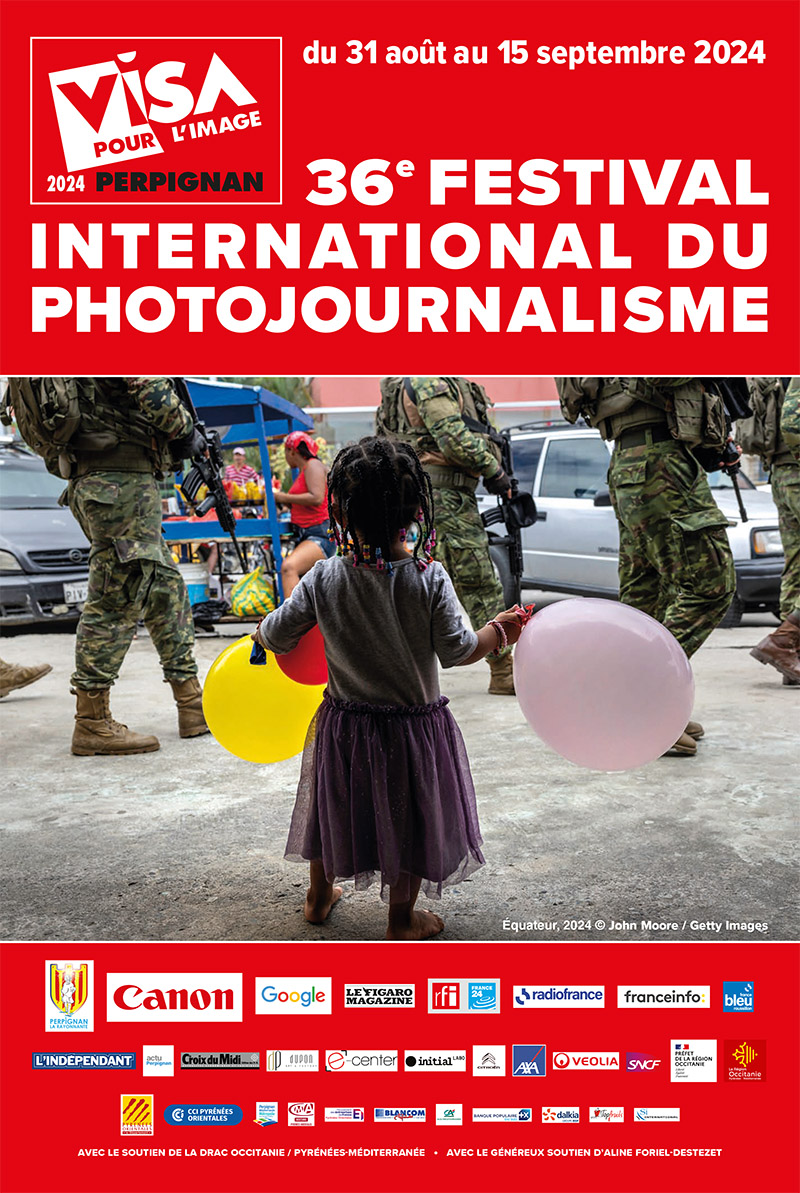
2024
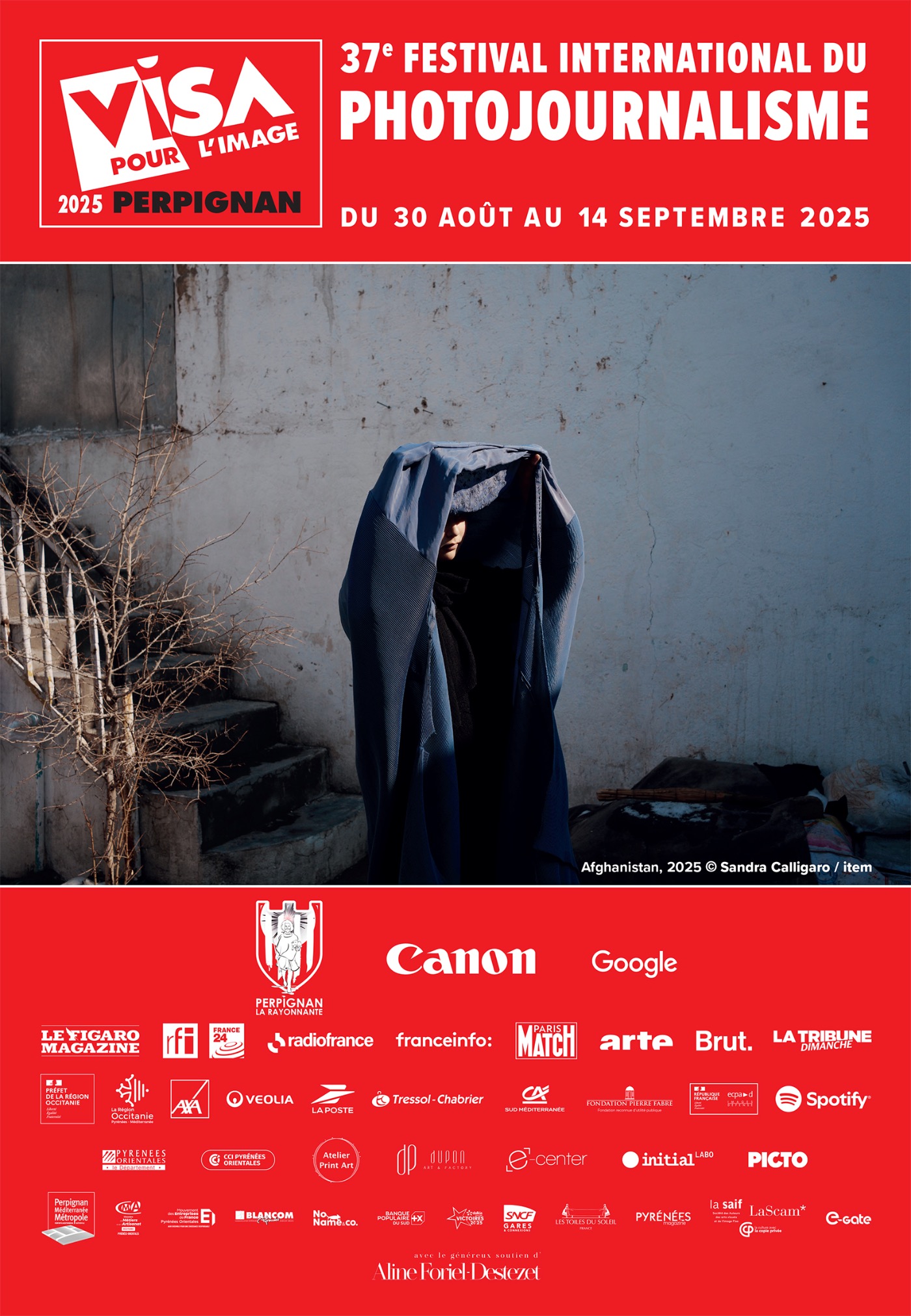
2025
"Photographers let me see what is happening in the world."
- Jean-François Leroy, Director General of Visa pour l'Image