About the exhibition
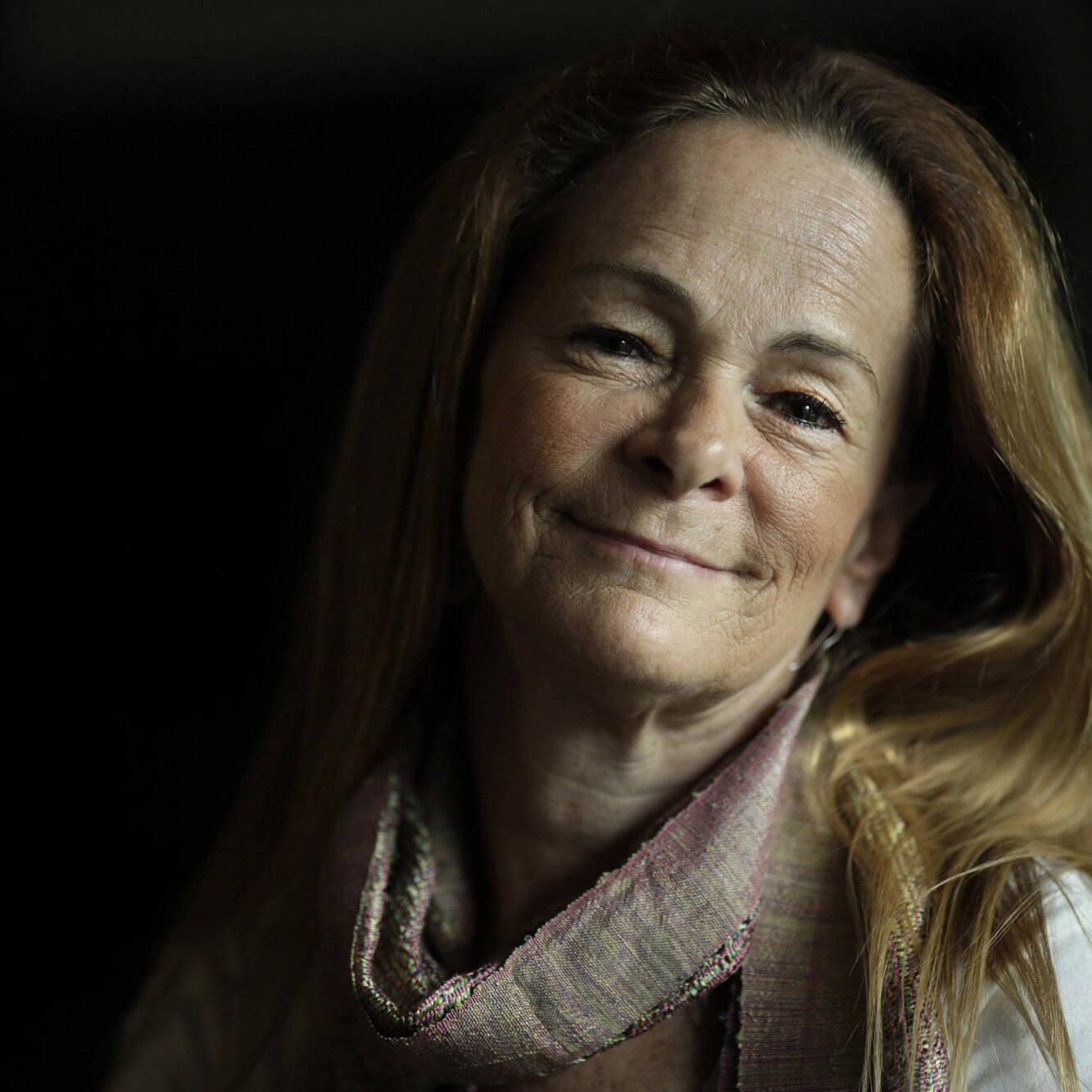
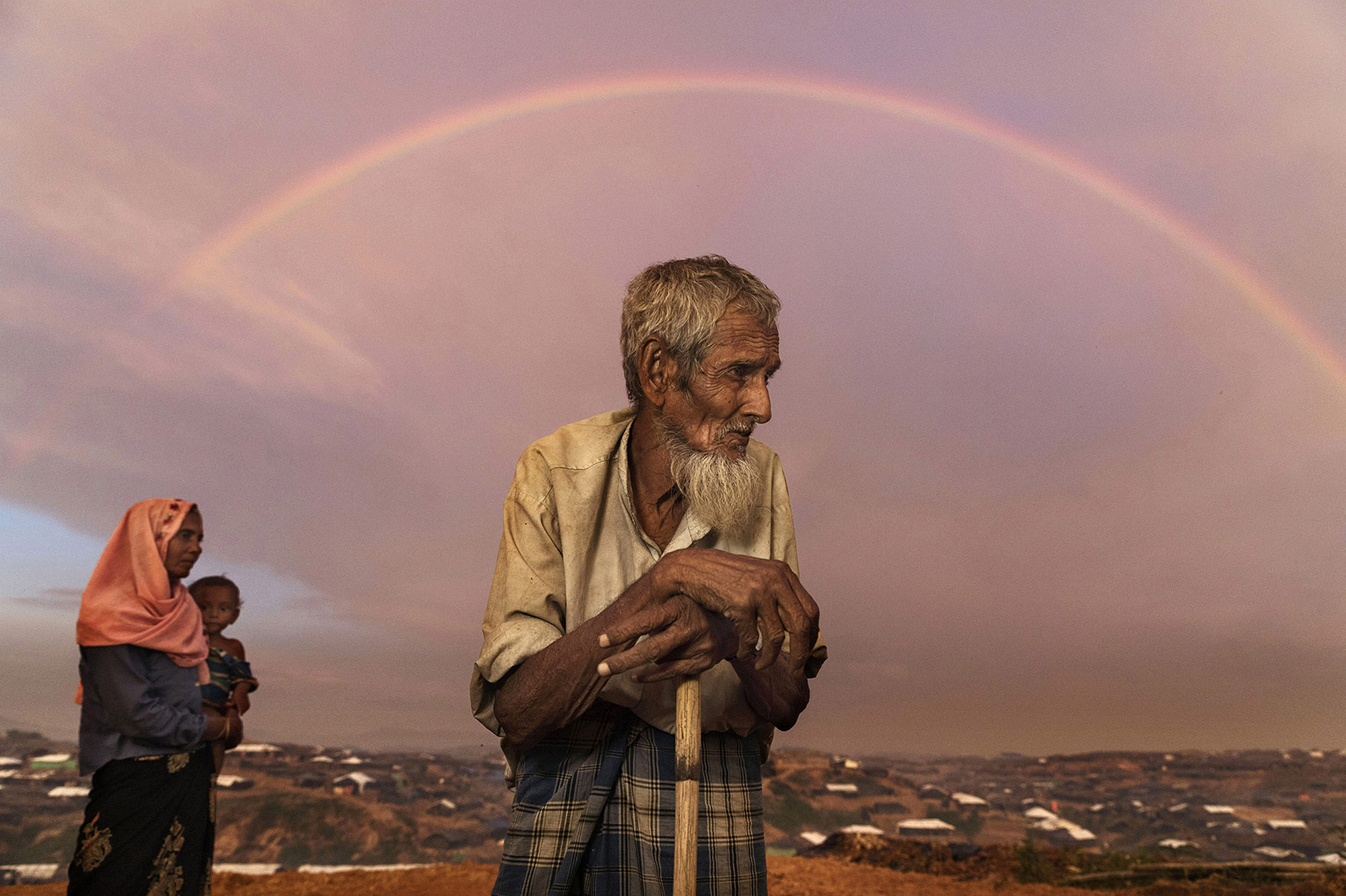
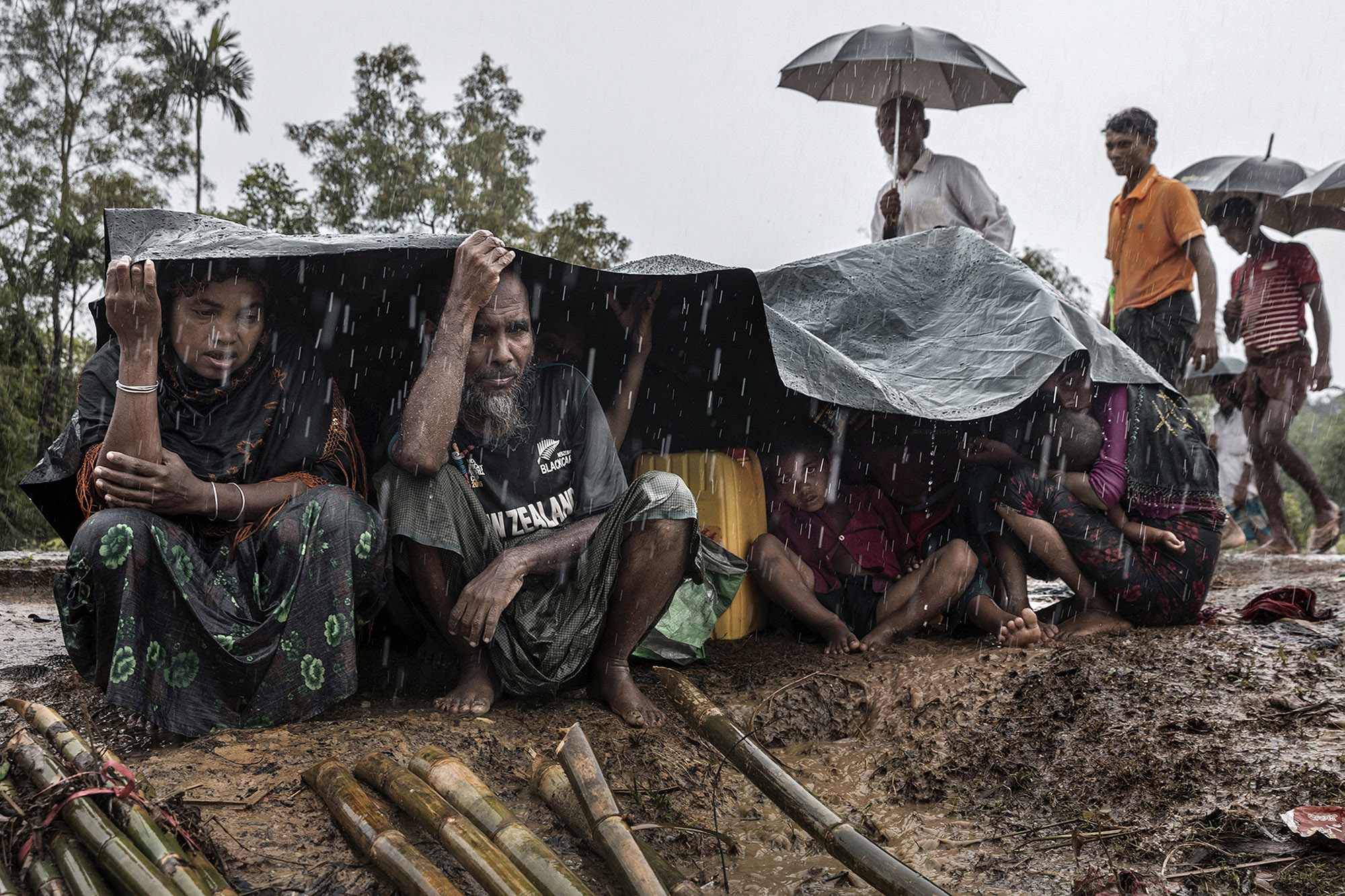
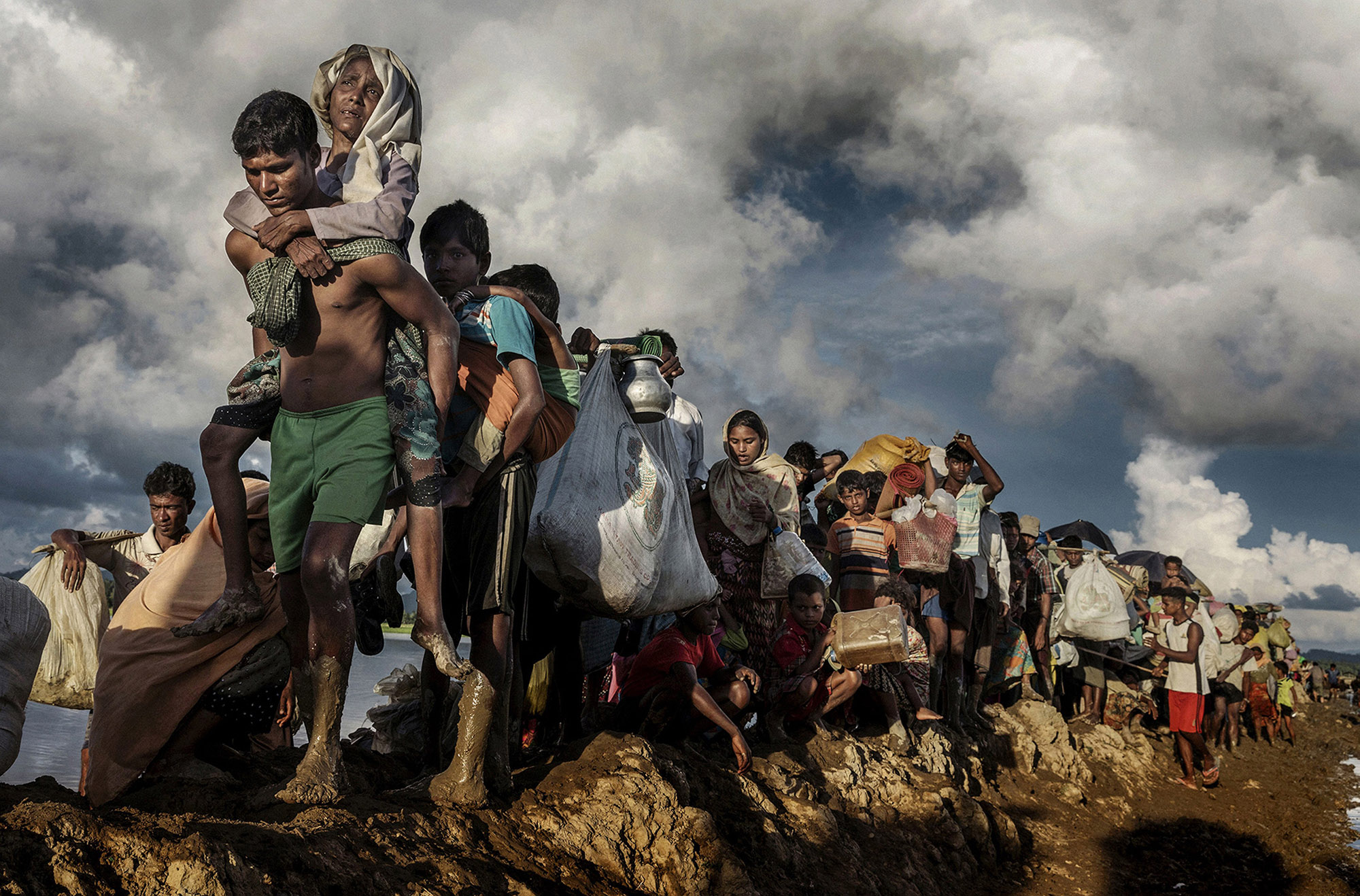
Since 2012 I have witnessed the discrimination and persecution of the Rohingya community, documenting their situation in Myanmar, and last year also in Bangladesh.
The Buddhist majority in Myanmar struggles to deal with a deeply rooted hatred towards the Muslim ethnic minority, a hatred that has been simmering for years. They consider them to be illegal immigrants from Bangladesh and deny them the right to citizenship. In western Rakhine State, the government went further, severely restricting their freedom of movement, creating an apartheid system with no access to education, civil service positions or even basic health care. The Rohingya maintain that they are indigenous to western Myanmar, with a heritage going back over a millennium and showing the influence of the Arabs, Mughals and Portuguese.
Tensions continued to rise last year, and a humanitarian emergency unfolded in late August 2017 after an attack on national security forces by Rohingya insurgents triggered a brutal military crackdown that forced more than half of the Rohingya population to flee Myanmar, and brought over 700,000 new refugees to Bangladesh. Traumatized refugees told stories of horror, of hundreds of villages burned, of rape and killings.
The Burmese government has arrested journalists trying to uncover the truth. Aung San Suu Kyi, the Nobel Peace Prize laureate, still refuses to address these atrocities, while human rights organizations around the world say she cannot avoid responsibility, and describe the violence as a textbook example of ethnic cleansing, speaking of crimes against humanity, and even genocide.
Take a virtual tour of this exhibition
Create your account or log in to access virtual exhibitions and get exclusive information about Visa pour l'image.