
About the exhibition
Today, 2.5 billion people worldwide depend on charcoal for cooking.
It was during my regular trips to Somalia starting in 2002 that I became interested in charcoal, also known as makala. Seeing rows of trucks filled with charcoal on the roads, I thought to myself that in this country where there were few trees, there would soon be none left.
According to the UN, more than half of the trees felled worldwide today are used to produce charcoal and firewood. In the Democratic Republic of Congo, 500,000 hectares of forest are converted into charcoal every year. Cambodia has lost more than a third of its primary forests, much of it for charcoal used in steel production.
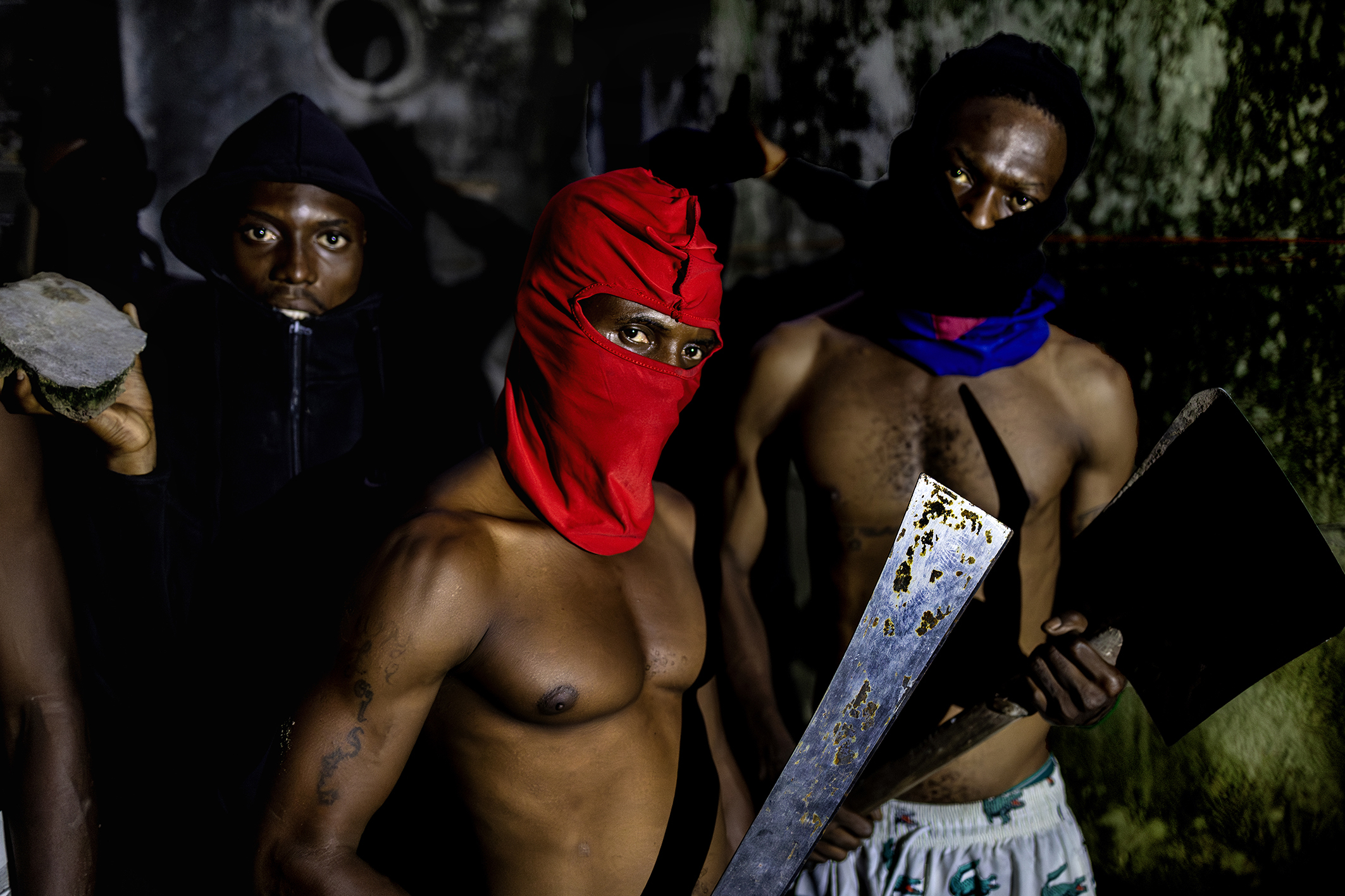
In Africa, the illegal charcoal trade helps finance armed groups. In Somalia, since 2008, the Islamist militia Al-Shabab has controlled charcoal exports, mainly to Gulf countries, earning $25 million a year. And despite the UN ban on Somali charcoal exports in 2012, it still brings in $7.5 million a year. In the DRC, this trade also brings in $45 million a year for the Democratic Forces for the Liberation of Rwanda (FDLR), which controls the trade in the east of the country, with most of it being produced in Virunga National Park.
Africa is the world's leading producer of charcoal. Together with firewood, it accounts for 90% of domestic consumption on the continent. Kinshasa, the capital of the DRC, has a population of 15 million, 95% of whom cook with charcoal. It is the city that consumes the most charcoal in the world, using 5 million tons per year, which requires 25 million tons of felled wood, since only 20% of the wood becomes charcoal, with the rest going up in smoke during carbonization.
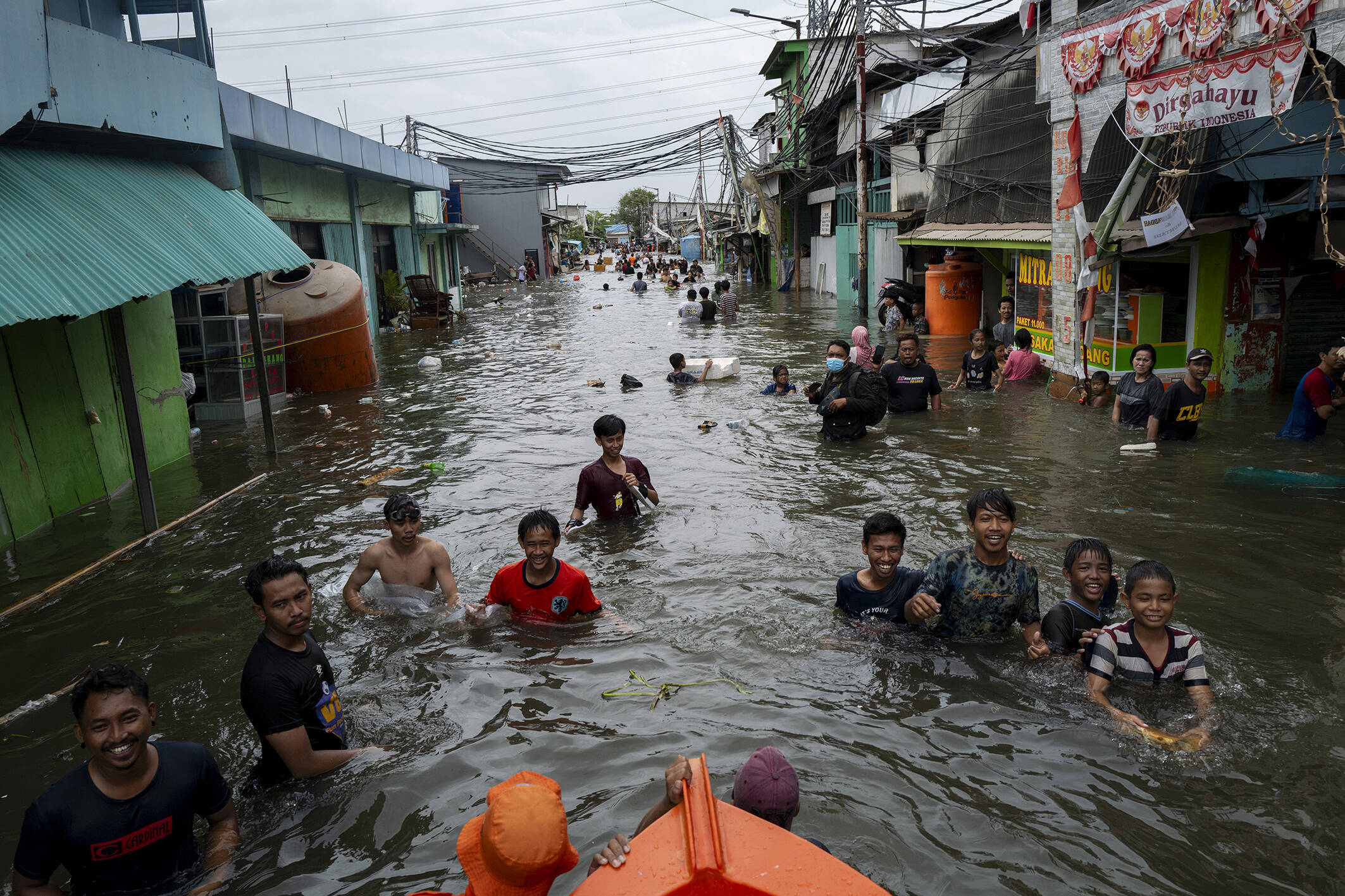
Due to the low average income of African households, it remains essential to daily life, even though it poses a threat to the environment and health. According to a study by Dynamics-aerosol-chemistry-cloud interactions in West Africa (DACCIWA) conducted on coastal cities in West Africa, if no action is taken, by 2030 Africa will be responsible for 50% of global pollutant emissions. Three main factors explain this alarming figure: first, domestic fires (fueled by charcoal and firewood), then uncontrolled burning and open dumps, and finally road traffic.
The use of charcoal has a direct impact on people's health. Women who cook are the main victims, along with the children in their care. Domestic air pollution is responsible for 24% of deaths in sub-Saharan Africa.
But would it be possible to do without charcoal? Not today, because the alternatives available are inadequate or insufficient. Electricity: in sub-Saharan Africa alone, 700 million people have no access to it. Gas is too expensive: while a housewife can afford to pay €0.40 for her daily purchase of charcoal, she will never be able to pay €25 for a gas cylinder. Solar energy is not sufficiently developed. The manufacture of briquettes from coconut shells is costly and still in its infancy. Finally, the production of charcoal from planted or replanted forests is not yet sufficiently developed.
However, since the cities that consume the most charcoal are also those whose populations are expected to double in the next twenty years, it is feared that charcoal will remain a major problem for a long time to come.
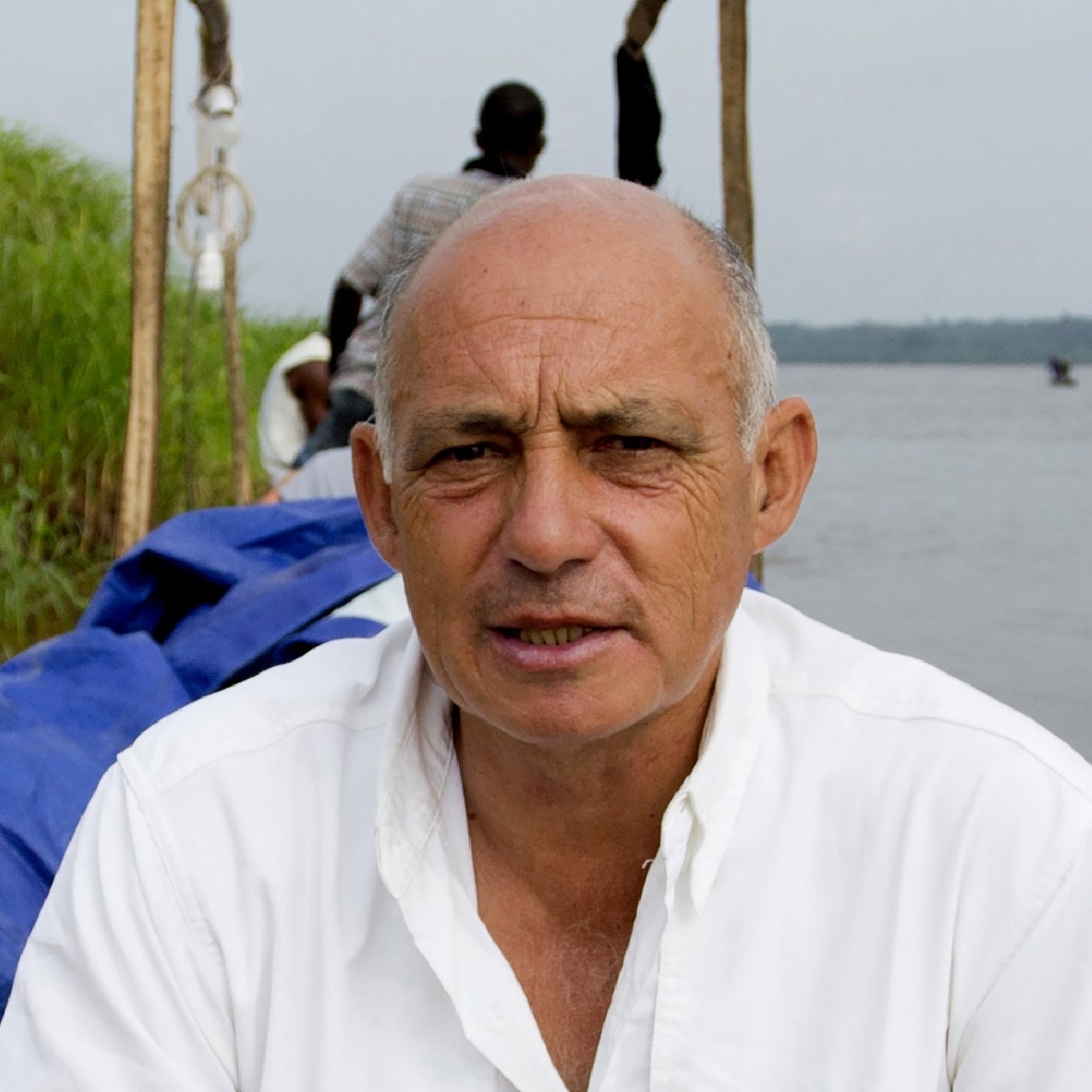
Pascal Maitre
Take a virtual tour of this exhibition
Create your account or log in to access virtual exhibitions and get exclusive information about Visa pour l'image.