
About the exhibition
Thirty-six hours. That's the average amount of time French teenagers spend in front of screens each week. The equivalent of a full-time job. It's difficult for adults to set an example: we check our smartphones every six minutes. In France, nearly eight out of ten children own at least one personal device.
Since the Covid years, the digitization of society has never been more important. All areas are affected: health, the economy, politics, and education. Our habits have been profoundly disrupted: from our relationships with others to our information sources and consumption patterns, digital tools have become a permanent feature of our daily lives.
Worse still, there is no longer any need to delve into the depths of the internet to encounter horror. Today, we are just a few clicks away from a virtual world where love and pornography, information and conspiracy theories, justice and denunciation, poets and influencers all exist on the same level. All of this is continuously propelled by the power of social media and online video and gaming platforms.
For young French people, this development is not without consequences for their health, psychological development, and safety, particularly in terms of the risks of cyberbullying and dangerous encounters. Yes, today screens and apps educate our children, entertain them, calm them down, and help them fall asleep... but at what cost?
To produce this report, I traveled to several regions of France to understand children's relationship with screens in their daily lives. I also met with their parents, who often feel helpless in the face of their children's addictive behavior and the contradictory statements made by politicians on the subject. On the other side are the digital giants, who are investing heavily and continuously to win the holy grail of the 21st century: the attention of young people.: : the attention of today's children and the adults they will become tomorrow. It's a battle between David and Goliath, where even the justice system struggles to vindicate the young victims. Finally, I met with health professionals who help young people who have fallen from the stars promised by the world of the internet. Their daily routine involves cases of revenge porn, videos of 13-year-old girls performing oral sex filmed in basements or parking lots, images of self-harm, delusional calls from people in the throes of paranoia, and even calls about suicide attempts by 9-year-olds.
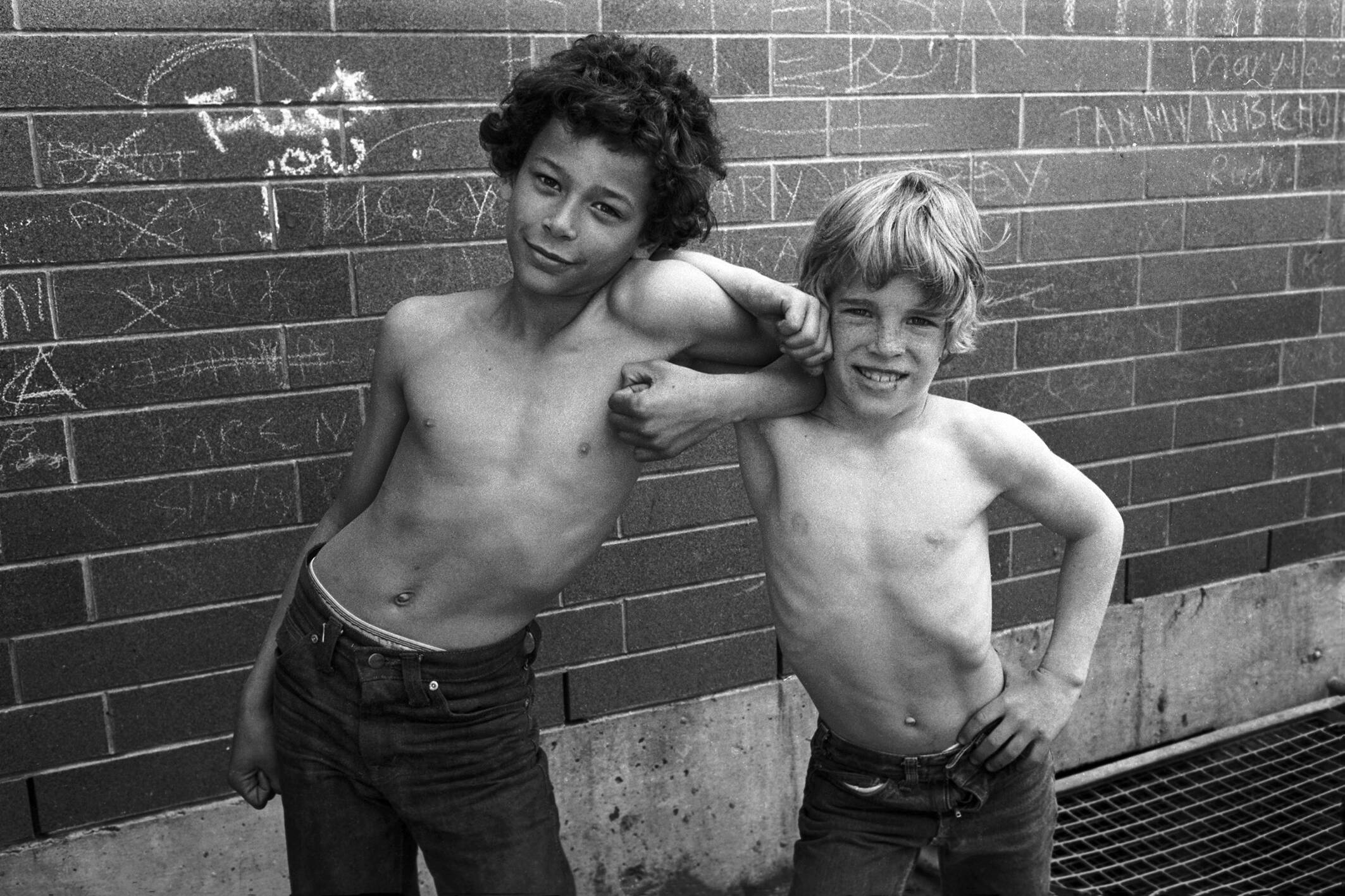
This exhibition paints a picture of a generation of "homebodies," whose words are often synonymous with the ills of our hyper-connected societies.
Take a virtual tour of this exhibition
Create your account or log in to access virtual exhibitions and get exclusive information about Visa pour l'image.