About the exhibition
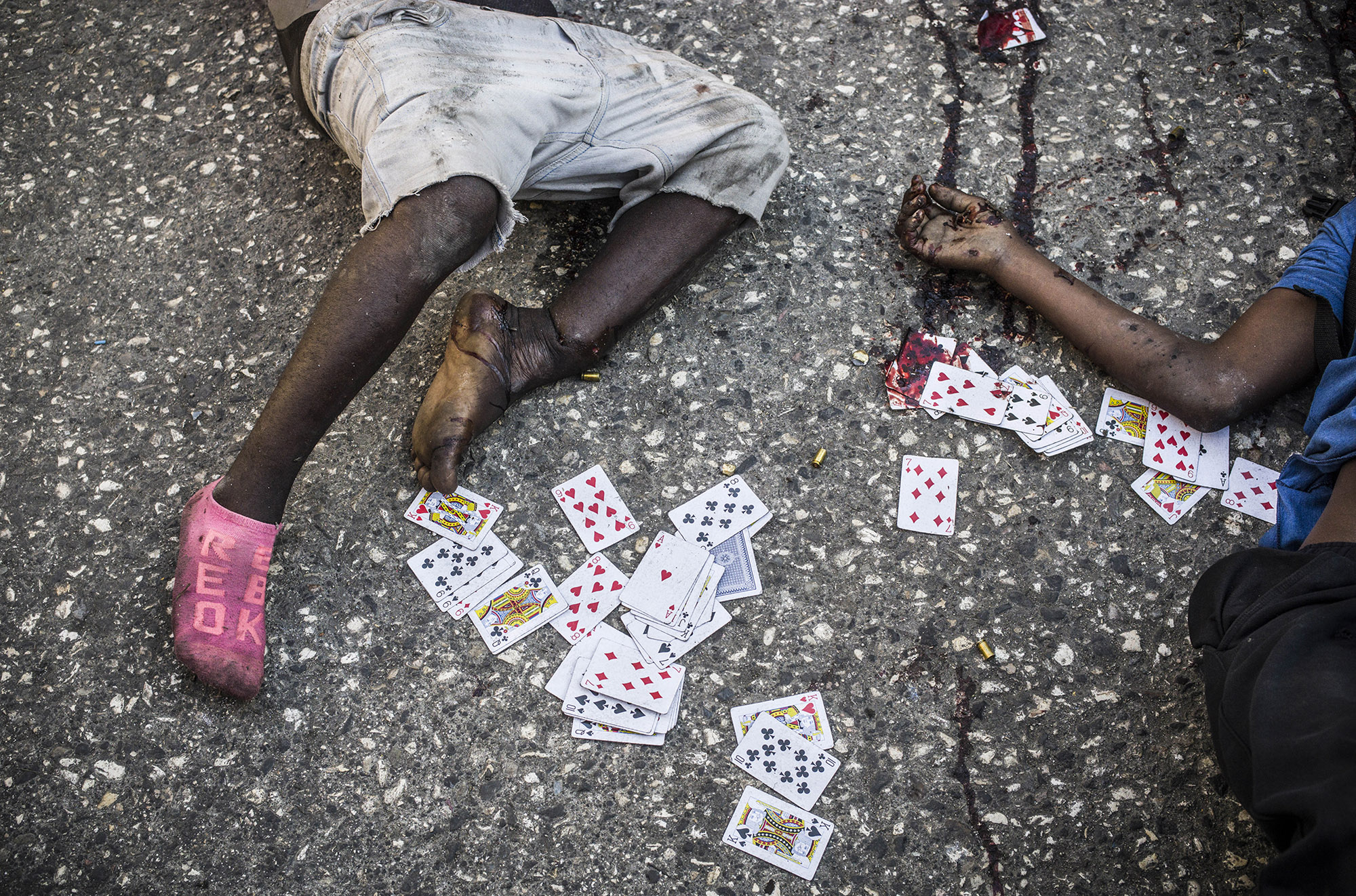
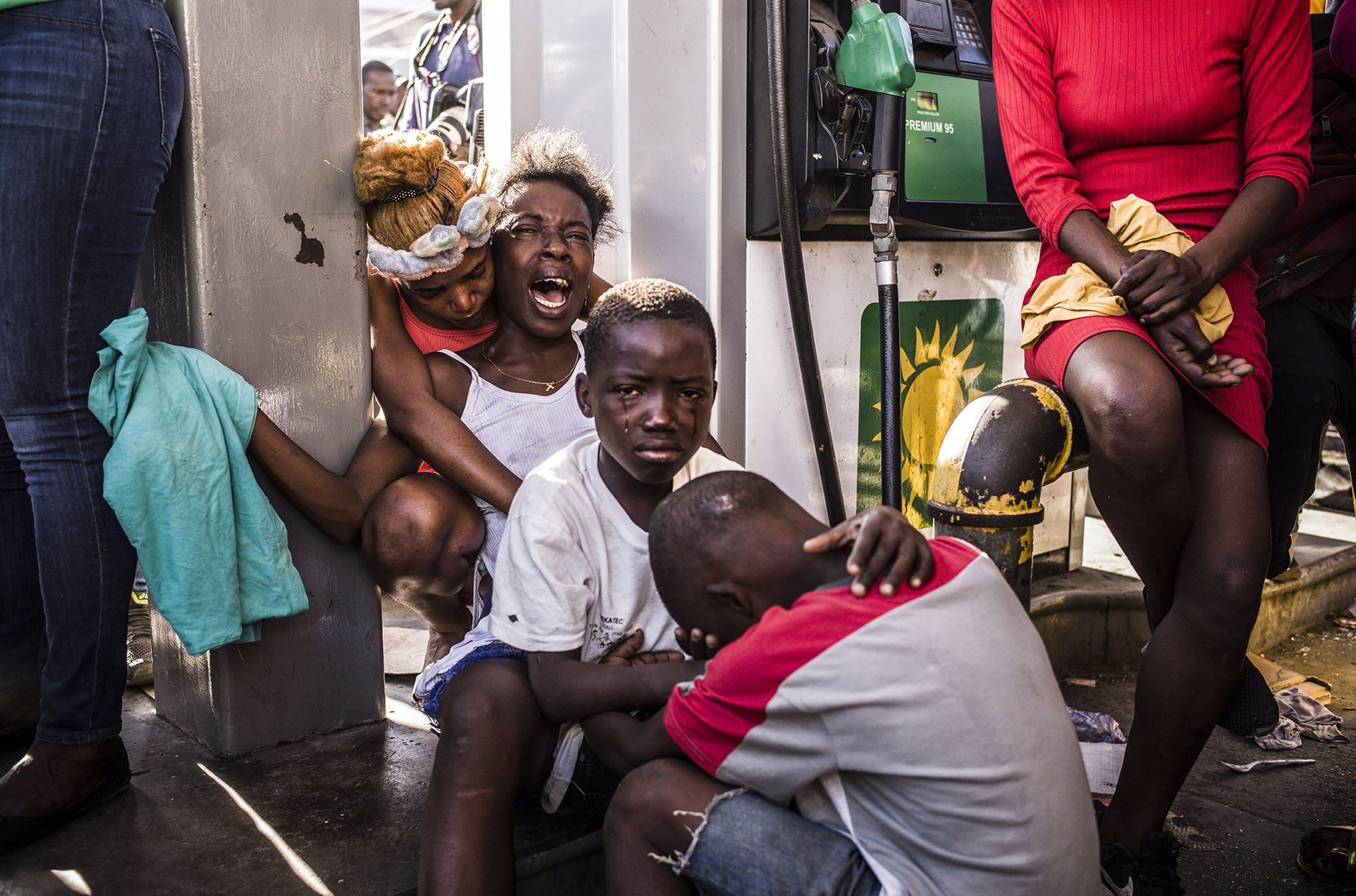
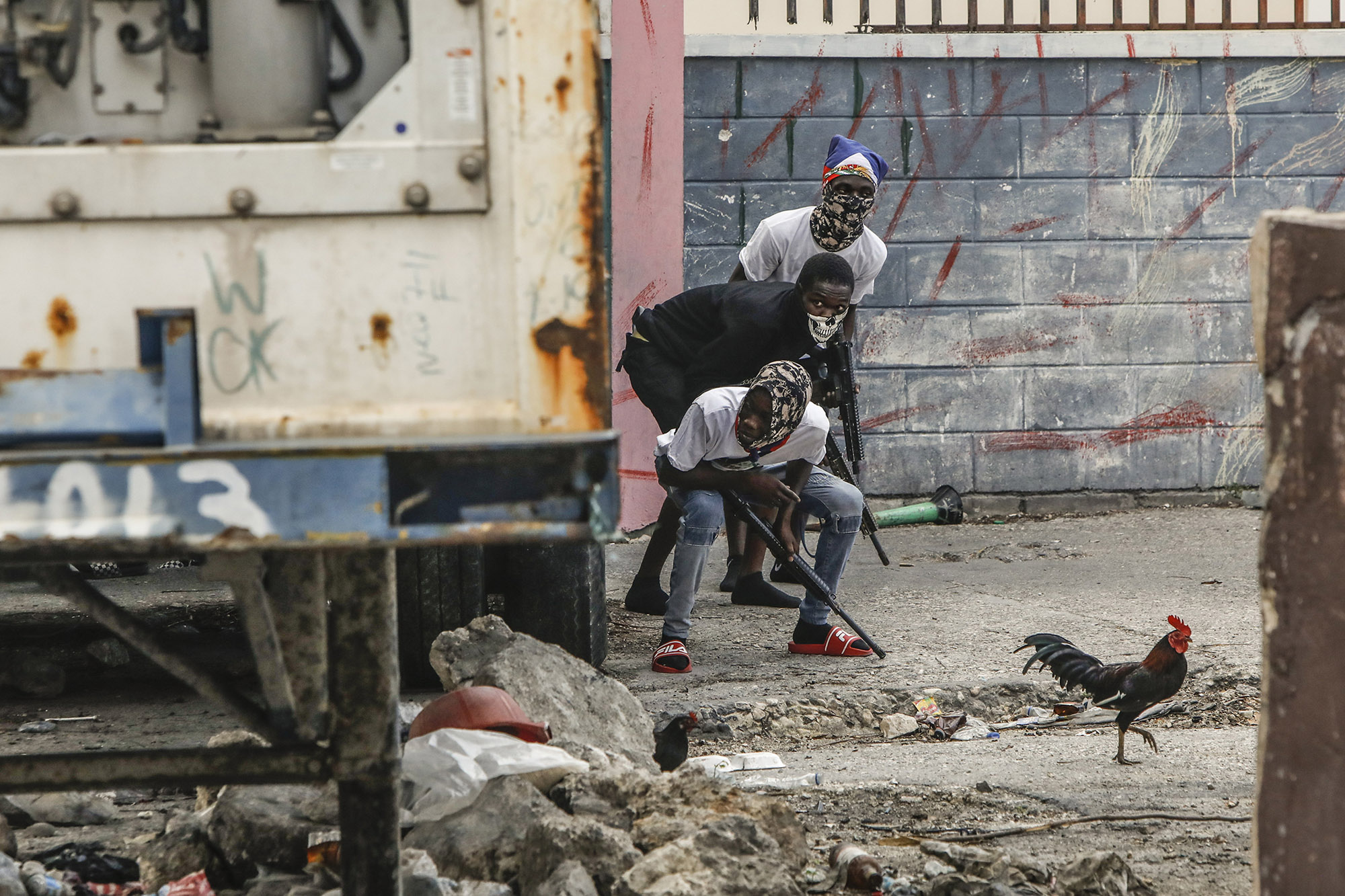
The rise of gangs wielding power in the capital of Haiti, Port-au-Prince, is the direct result of years of corrupt government and foreign interference in all fields, political, economic and humanitarian, and has radically changed the destiny of the country.
In 2018, the people of Haiti took to the streets, protesting against the mismanagement of PetroCaribe funds earmarked by Venezuela as development aid for Haiti and squandered by the governments of presidents Michel Martelly and Jovenel Moïse. Then came the crackdown, reaching a peak with the 2018 La Saline massacre that left 71 dead, an operation said to have been led by policeman Jimmy Chérizier.
Within five years, the same man, known by his childhood nickname of “Barbecue,” had become the gang leader of “G9 Family & Allies.” The UN Security Council imposed sanctions on Haiti, and specifically targeted Jimmy Chérizier who had been accused of murder, rape and kidnapping. It was alleged that he had been placed in a position of power by the authorities, only to go beyond their reach. In a public statement made on February 29, 2024, he announced that a coalition of gangs had been formed to oppose the government, and called for the resignation of the Prime Minister, Ariel Henry who had taken over from President Jovenel Moïse who was assassinated in July 2021.
Two weeks later, Prime Minister Ariel Henry, who had been prevented from returning to Haiti, was forced to step down. The gang war increased, waging war on the state, or rather the national police which was all that remained of public authority. Violence reached unprecedented levels. The coalition of gangs named “Viv Ansanm” (Live Together) targeted sites of power, carrying out daily attacks on public buildings, starting with the presidential palace, then the national library and national bank. Two prisons in Port-au-Prince were attacked, and 4,000 prisoners escaped.
It was a reign of terror as gangs murdered people out in the open, in the street at night, including the more affluent suburb of Pétion-Ville which, until then, had been relatively calm. The international community, through the United Nations, hesitated; there was the possibility of an international police force to be led by Kenya. Many Haitians, however, are wary of outside interventions which, in the past, have often led to chaos instead of controlling conflicts.
Take a virtual tour of this exhibition
Create your account or log in to access virtual exhibitions and get exclusive information about Visa pour l'image.