About the exhibition
Since October 7, the attention of the world has been focused on Gaza: tens of thousands killed, millions displaced, a humanitarian crisis and dozens of Israeli hostages still held in Gaza. But the West Bank has also witnessed some of its darkest days, with little attention.
Israel’s occupation of the West Bank has made life hard for many of the approximately 2.7 million Palestinians living there. Since October 7, they have been subjected to even harsher restrictions and an increased military presence. Many right-wing Israelis believe Israel should control the West Bank in perpetuity, while Palestinians see the area as integral to their aspirations for an independent state.
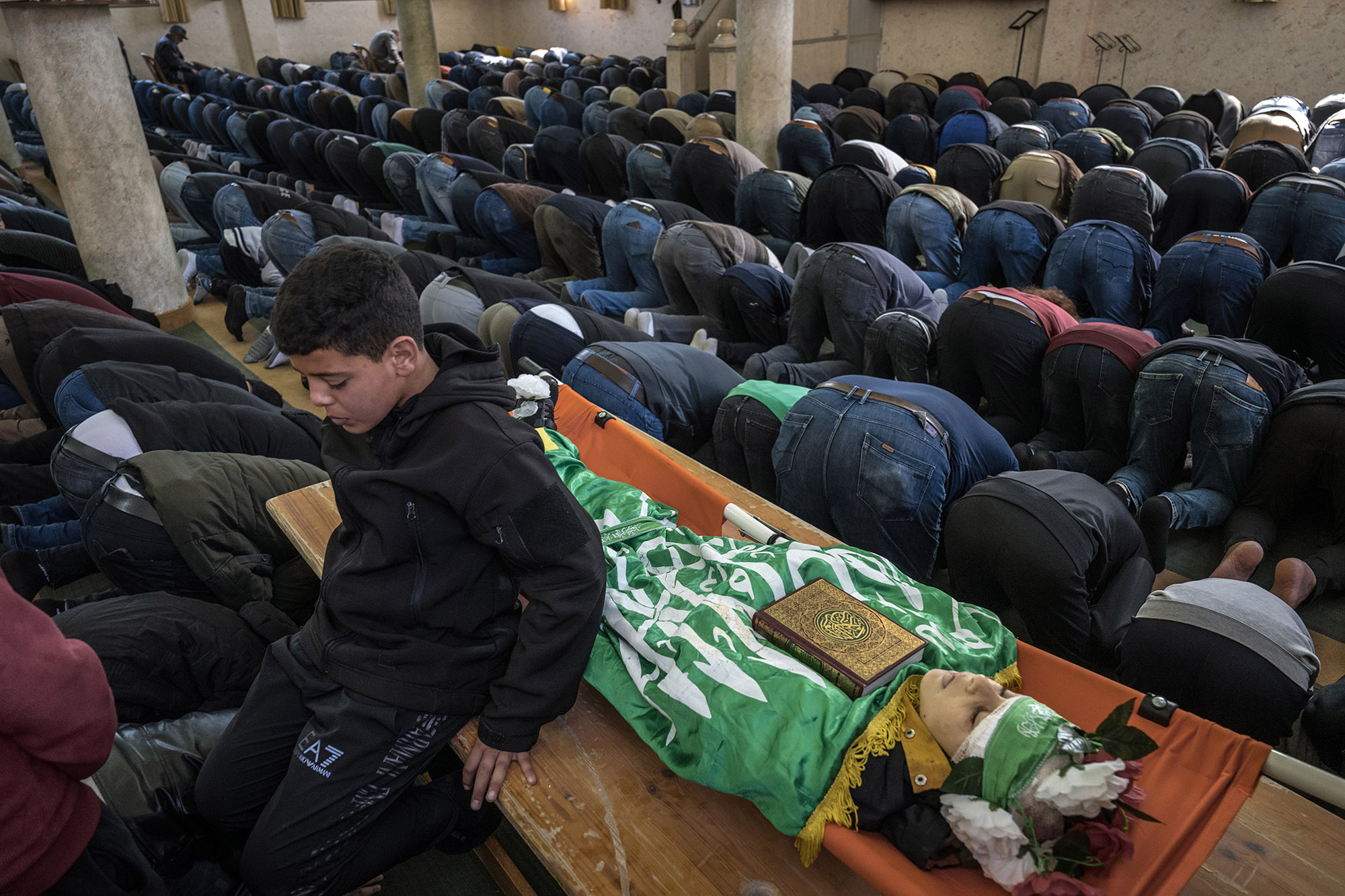
Israeli authorities have stepped up the raids and arrests in the West Bank. According to the United Nations, since the war began, hundreds of Palestinians have been killed by Israeli security forces and civilians in the West Bank and in East Jerusalem, and thousands have been detained. Israeli security forces often leave behind a trail of destroyed houses and damaged infrastructure in cities and refugee camps. They have added more checkpoints and roadblocks, choking the traffic for many Palestinians who have to endure hours of delays when commuting. Israeli security forces have also severely limited, and at times, blocked, access to Al Aqsa mosque in Jerusalem.
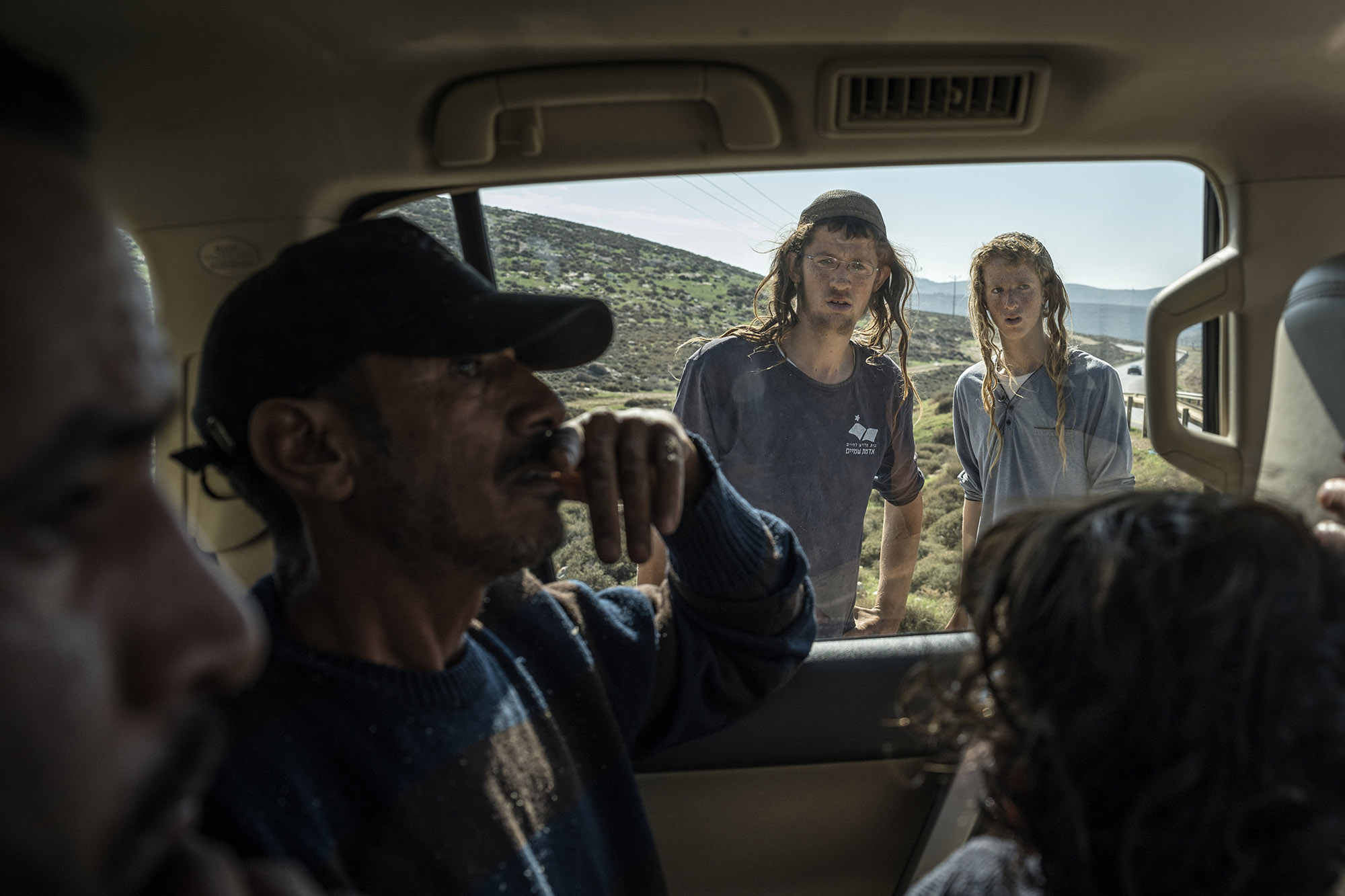
Before October 7, more than 100,000 Palestinians in the West Bank were working in Israel and in Jewish settlements in the West Bank, a lifeblood for the local economy. But Israel canceled their work permits and many are now unemployed. Roughly 500,000 settlers live in settlements and outposts in the occupied West Bank, and settler violence against Palestinians has skyrocketed since the start of the war. Most countries consider the settlements illegal, regarding them as an obstacle to the creation of a sovereign Palestinian state. Settlers often harass Palestinians living in nearby villages and towns, and vandalize their property.
The Palestinian Authority has limited self-rule in the occupied West Bank, but for many Palestinians, it is corrupt, inept and deeply unpopular, and seen as a subcontractor to Israel’s occupation.
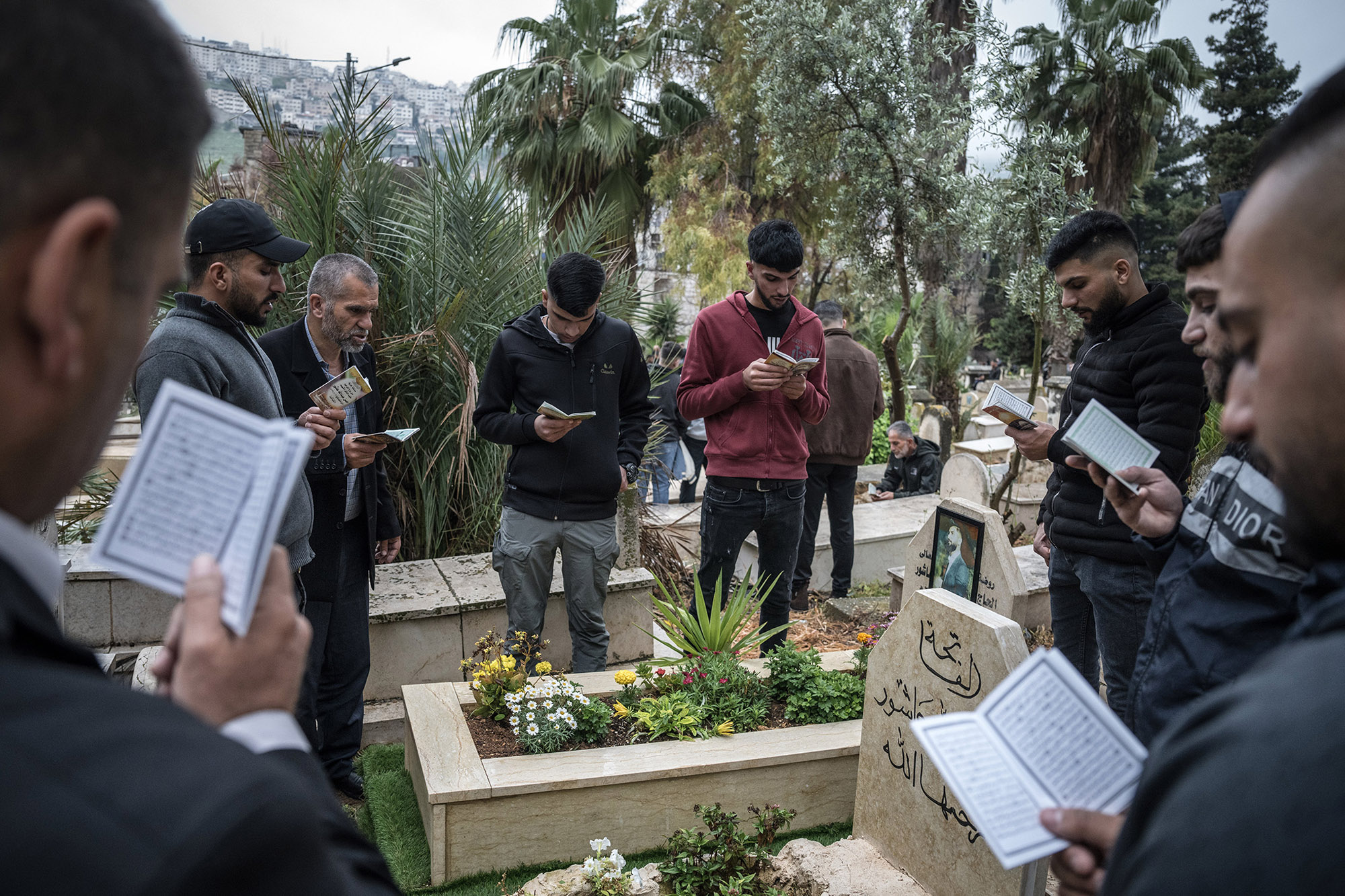
Award winning photographer Sergey Ponomarev spent months in the West Bank documenting communities affected. He focused on both increased military restrictions and settler attacks, as well as the obstacles and struggles of everyday life.
WEBSITE: www.sergeyponomarev.com
INSTAGRAM: https://www.instagram.com/sergeyponomarev/
FACEBOOK: https://www.facebook.com/Sergey.ponomarev.photo/
Take a virtual tour of this exhibition
Create your account or log in to access virtual exhibitions and get exclusive information about Visa pour l'image.