About the exhibition
The environmental apocalypse confronting the world today now has recognized causes: climate change, overexploitation of resources, pollution, the loss of natural habitats, invasive species and the impact of massive deforestation and intensive agriculture, all causing permanent damage. Since 1970, vertebrate populations have declined in size by 60%; since 1980, some 600 million birds have been lost across Europe.
The future of the planet also depends on the oceans responding to climate change. Plankton and phytoplankton absorb CO2, but as temperatures rise and the oceans continue to absorb more carbon, the sea water becomes more acidic. And there is pollution, including industrial waste with heavy metals, solvents and toxic sludge. As a result “dead zones” have formed, unable to support most marine life; worldwide there are now more than 400 marine dead zones. The impact can be seen at every level, from coral reefs to fish and crustaceans.
According to the report by IPBES, the United Nations expert group on biodiversity, a large part of nature has already been lost and the decline continues. Of an estimated 8 million animals on earth (including 5.5 million insects) up to one million are endangered, and many could become extinct in a matter of years.
Certain species seen as more “charismatic” by humans (the lion, elephant, giraffe, leopard, cheetah, gorilla, panda, wolf and polar bear) can be ecosystem engineers; the elephant, for example, brings down trees and stops the savannah from turning into a forest. There are also umbrella species providing indirect protection to other animals in the same habitat. As large mammals are less diverse they are more vulnerable, and losses of these populations are only the tip of the iceberg of massive decline in biodiversity and the collapse of ecosystems.
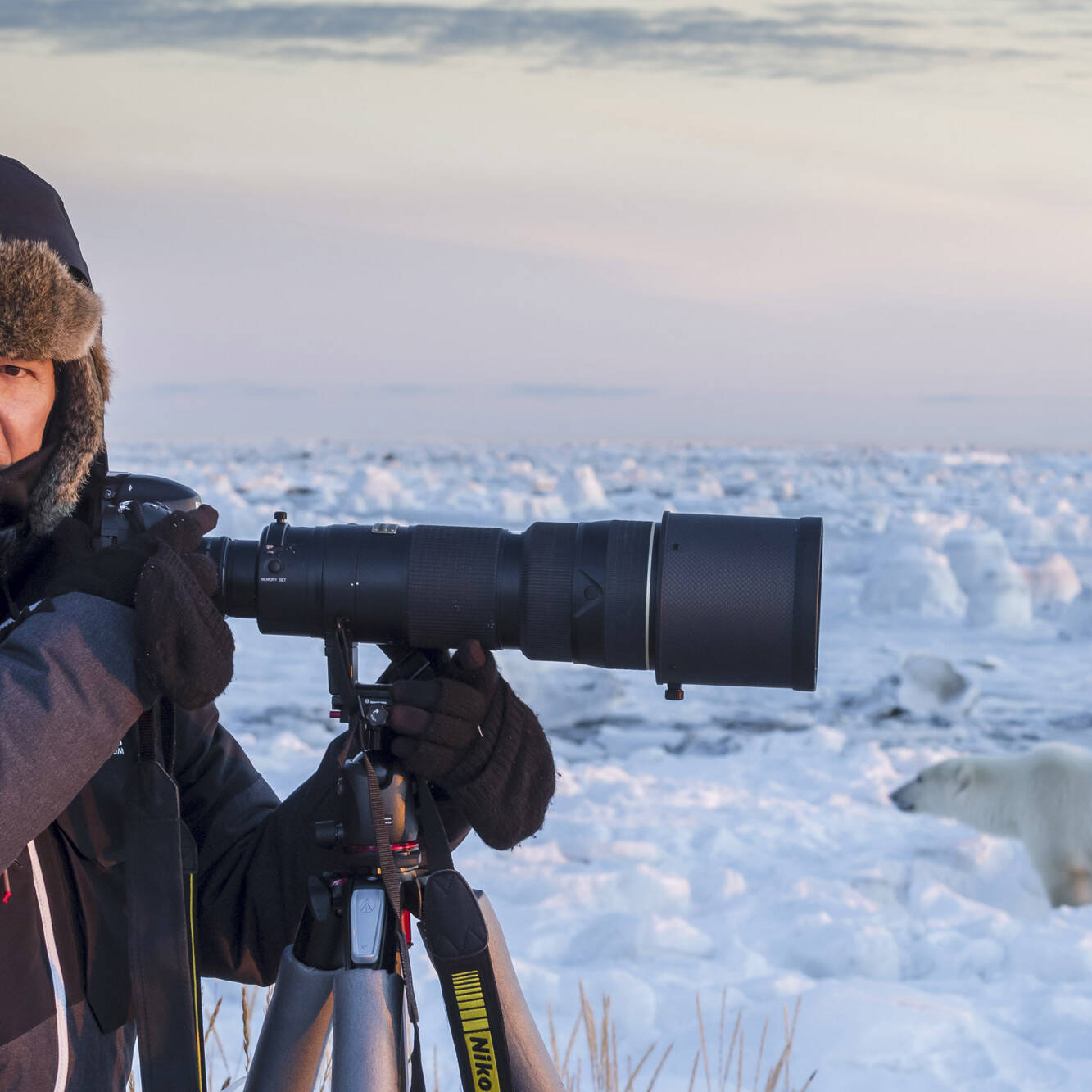
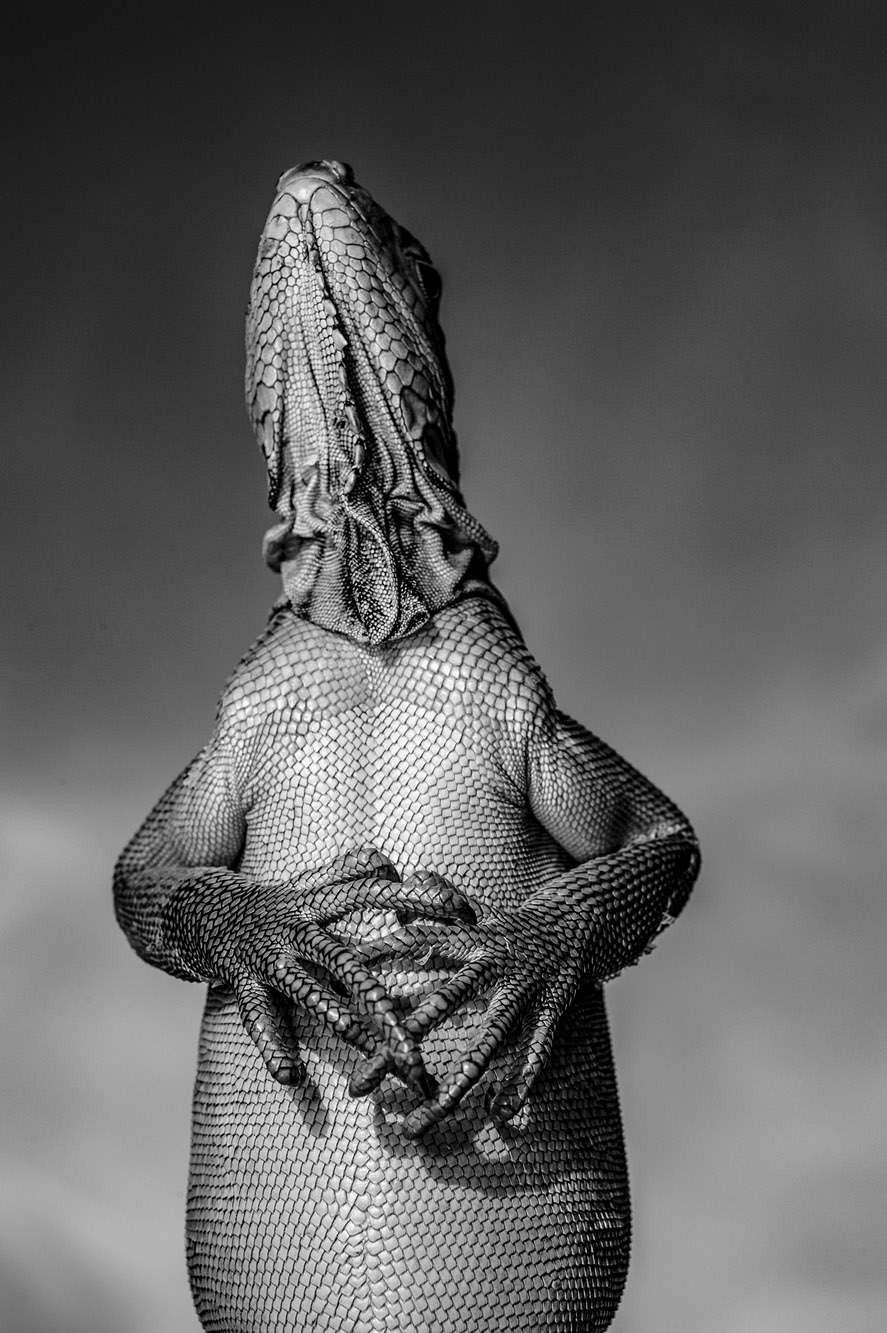
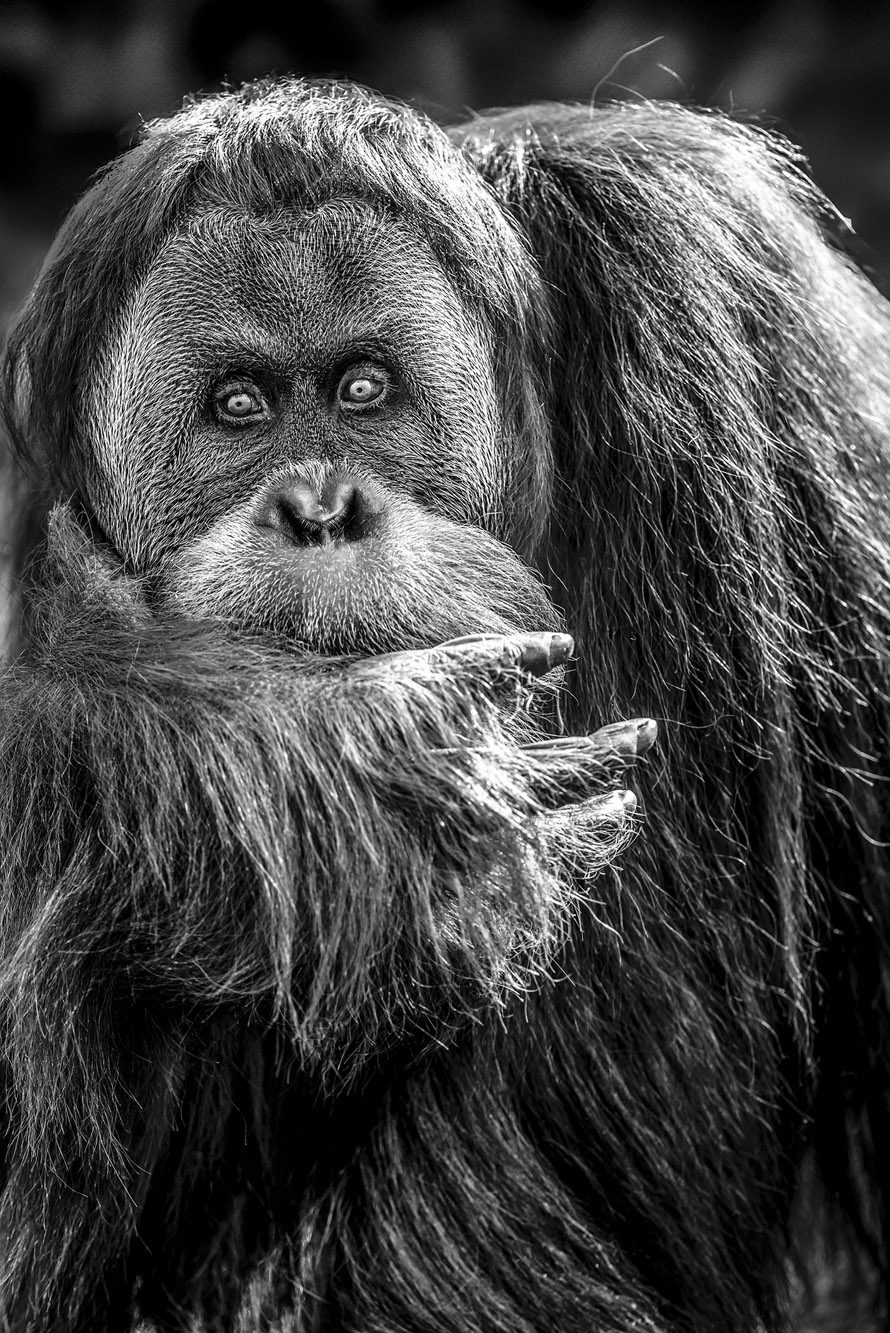
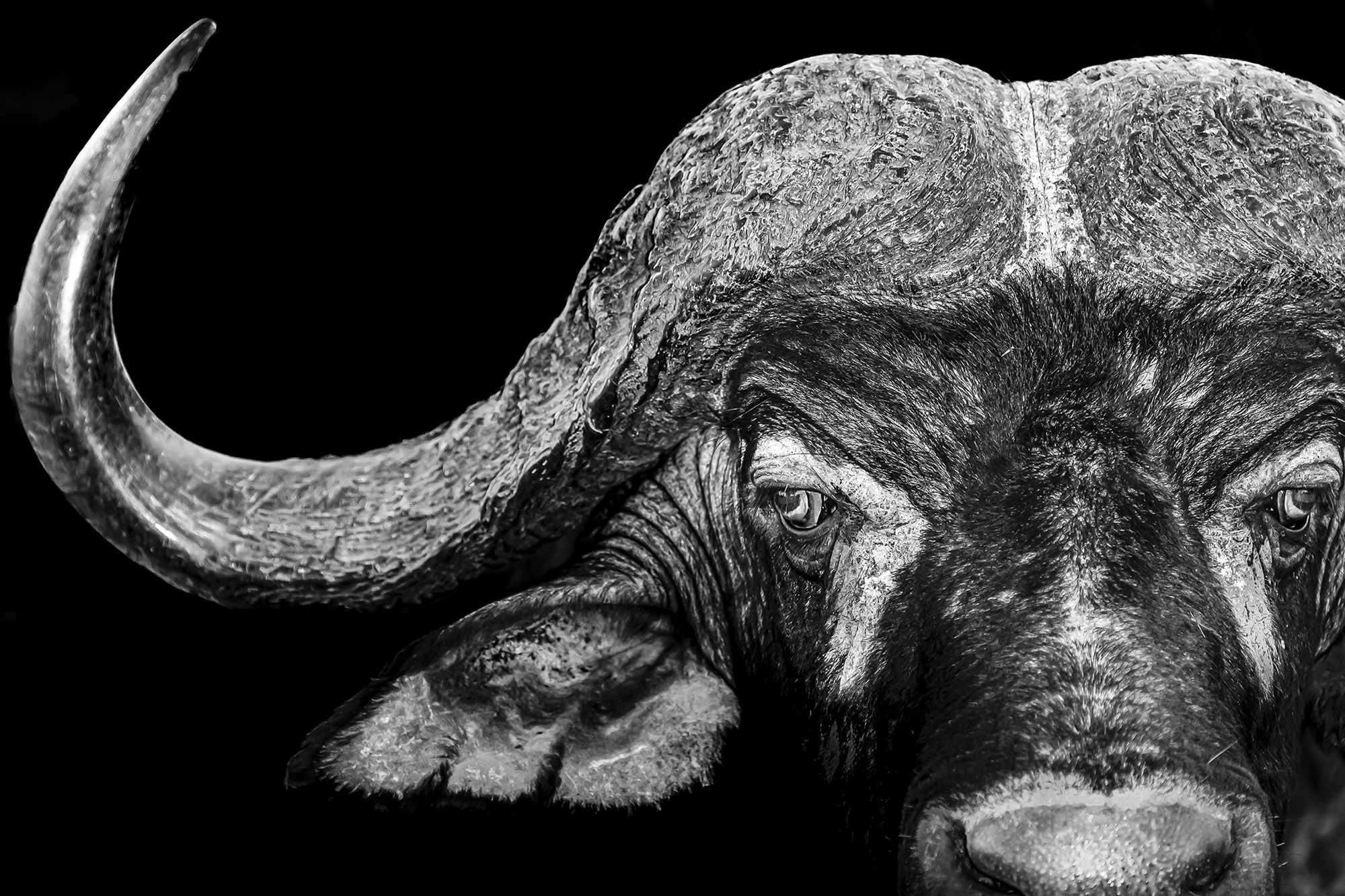
My work on the “6th Extinction” is intended to raise awareness on the vulnerability of species around the world. The photographic concept is designed to convey the emotional impact, being as close as possible to the animal so as to capture the magic then conveyed in the pictures. By seeing other species, by being attentive and acutely aware of non-human species and our relationship with them, we have the values needed to observe our own world.
Take a virtual tour of this exhibition
Create your account or log in to access virtual exhibitions and get exclusive information about Visa pour l'image.