About the exhibition
The Covid-19 crisis has been a human tragedy and dealt a blow to the economy more serious than any other since World War II according to the World Bank. But the impact has been very different from country to country and depending on the individuals concerned, for those who were already vulnerable in the past have been more exposed when caught in the Covid storm.
Refugees and displaced persons forced to leave their countries because of violence and poverty, are some of the most vulnerable people in the world, and any additional blow makes their plight even worse, taking them from a level of insecurity to a struggle for basic survival. The pandemic has closed borders, breaking bonds with their home countries, depriving them of the informal economy so essential to their subsistence living, and weakening even further their tenuous hold on health and access to basic requirements.
Between November 2020 and February 2021, five photographers from the agency MYOP went to five countries where the European Commission has been taking action with the campaign #SaferTogether. There they recorded the lives of displaced persons living in exile and confronted with the further challenge of the pandemic.
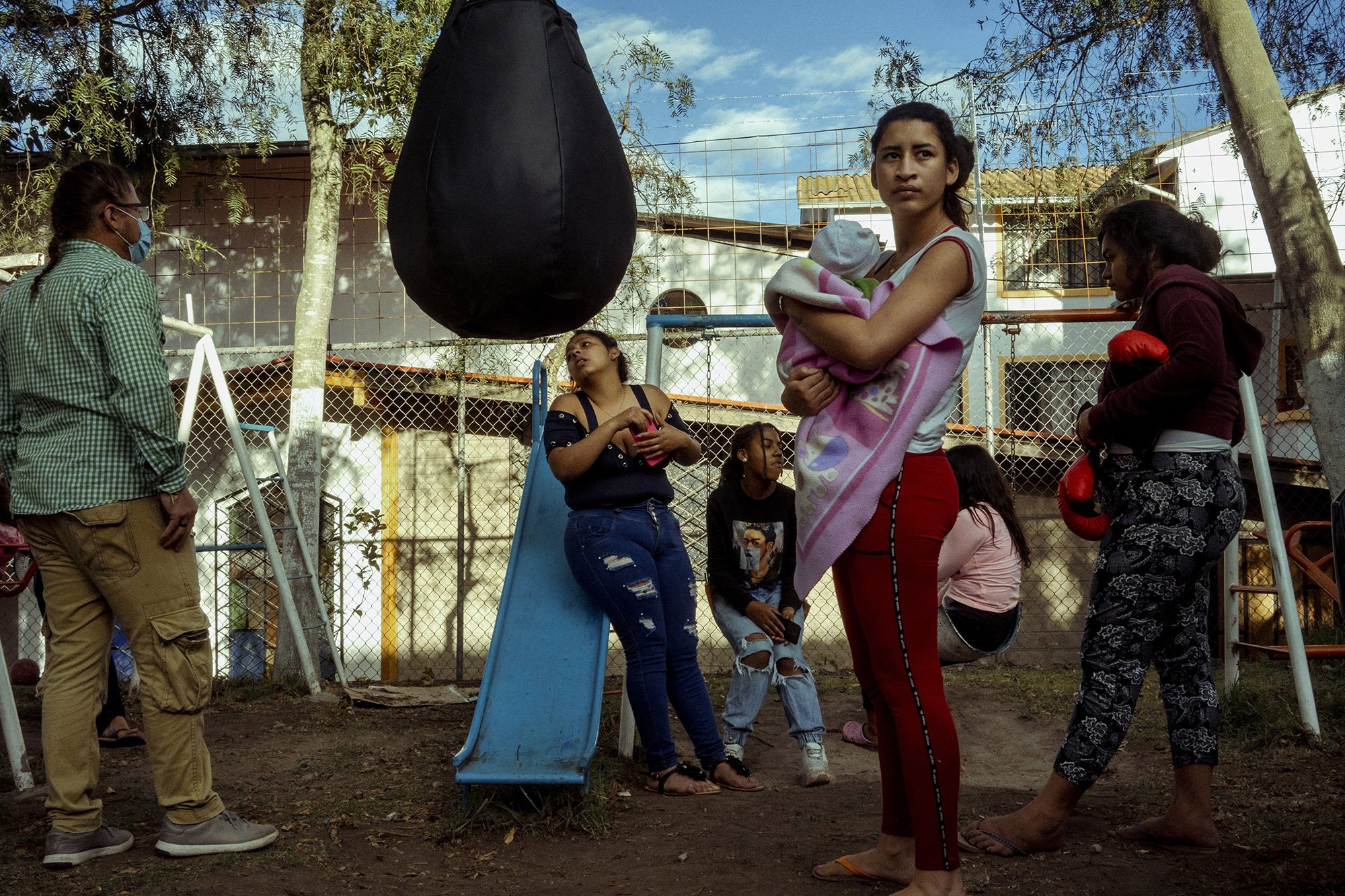
This accumulation of crisis situations is difficult to manage for people disadvantaged at so many levels, making them acutely vulnerable, as is the case for women and minors. In Ecuador, a country which takes in a large number of Latin American refugees, Agnès Dherbeys saw women and girls living on their own, but some did find refuge there even though the country’s ability to take in new arrivals was restricted by the pandemic, and had triggered xenophobic reactions to refugees.
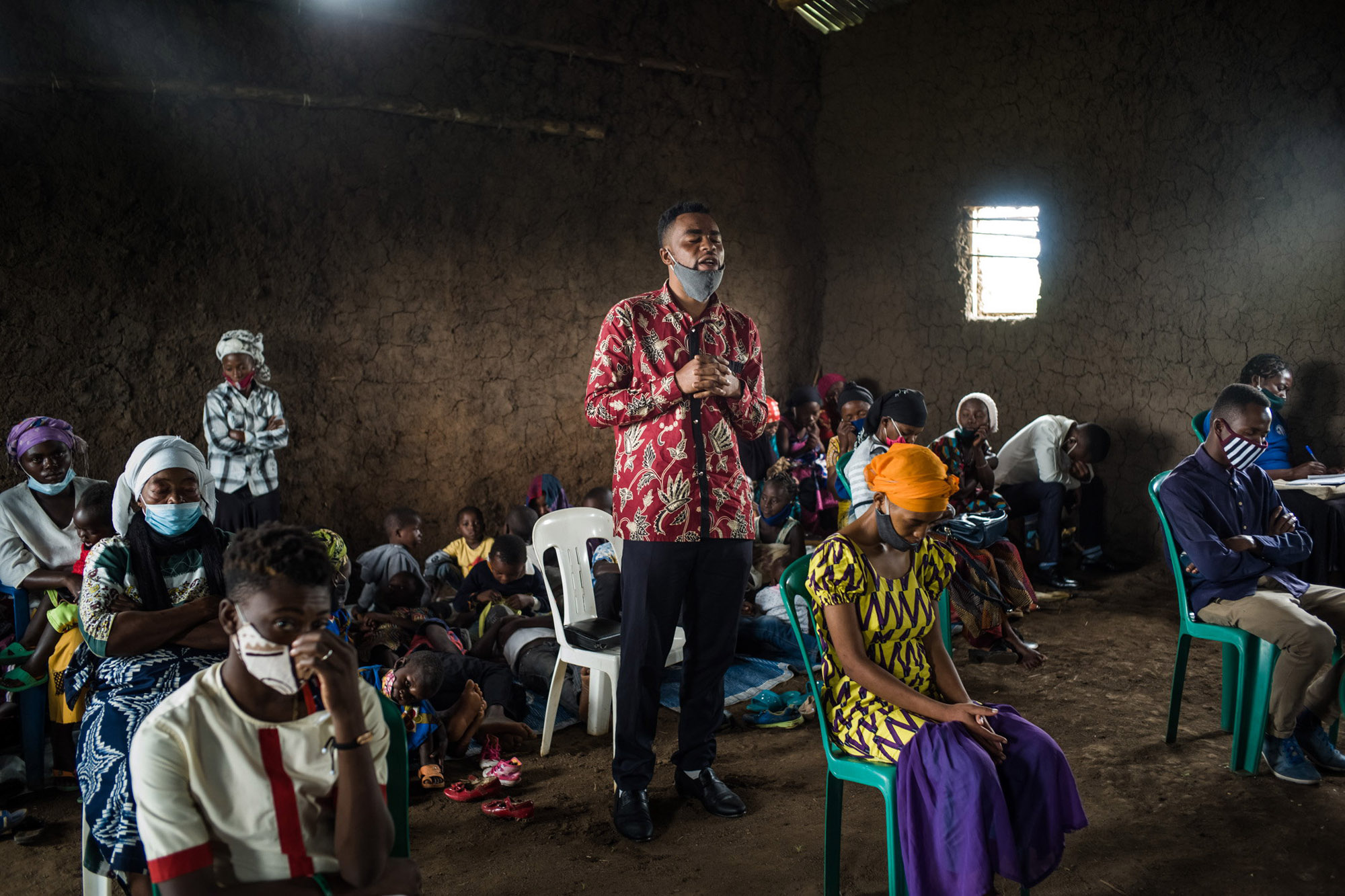
In Uganda, many women are alone with their children at Kyaka II Refugee Settlement where there are now 125,000 refugees, four times more than four years ago, with many from the Democratic Republic of Congo who have fled Ebola and the violence of rebel groups. Here Stéphane Lagoutte met 16-year-old Mwamini who, after her mother abandoned the family, is now raising her brother and sisters.
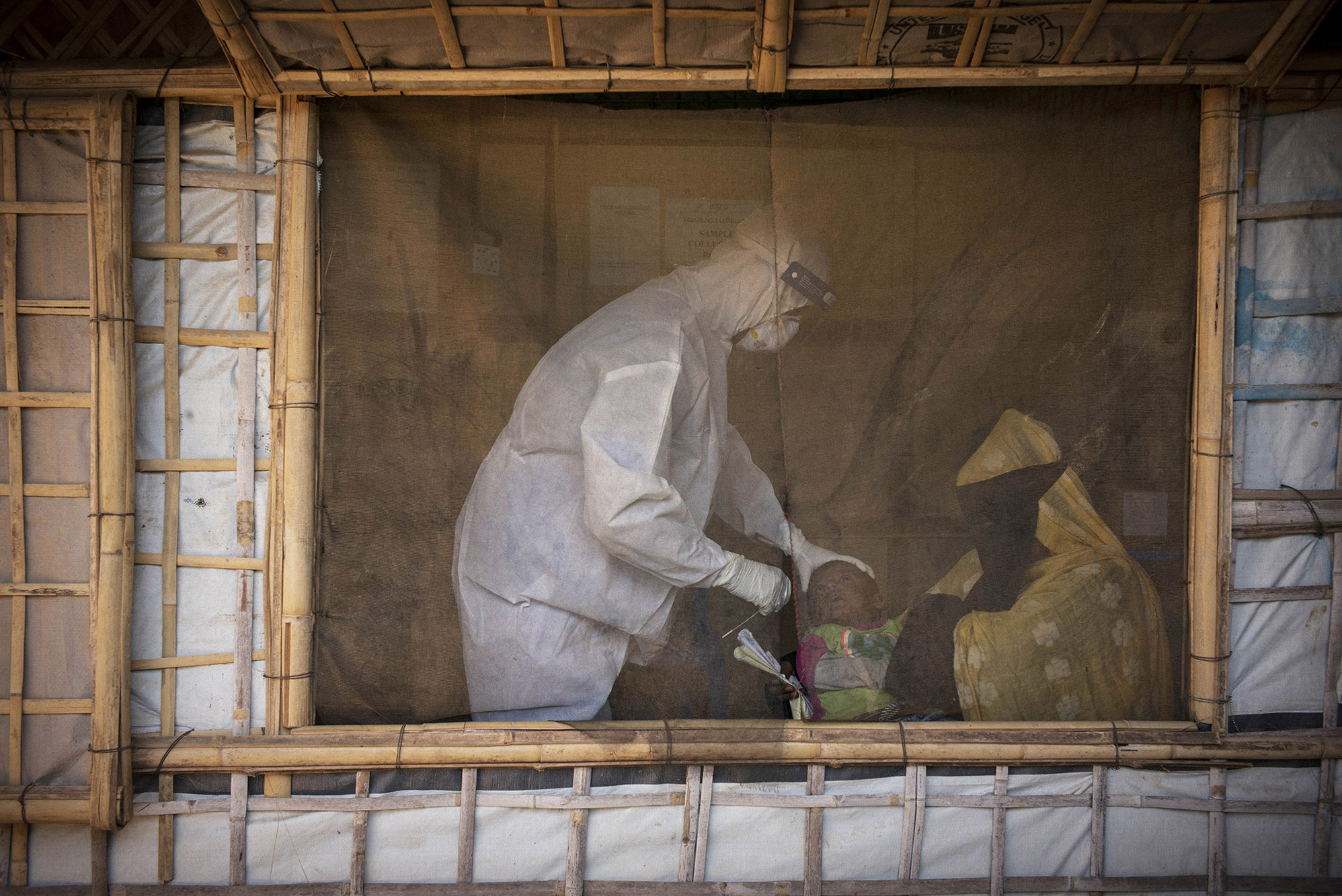
The pandemic has not only meant greater pressure on host countries, but has also restricted deliveries of vital aid from international organizations. Olivier Laban-Mattei went to Bangladesh, to Kutupalong refugee camp in Cox’s Bazar with 860,000 Rohingyas who fled Myanmar. The conditions there are dire, and have been made even worse by Covid-19.
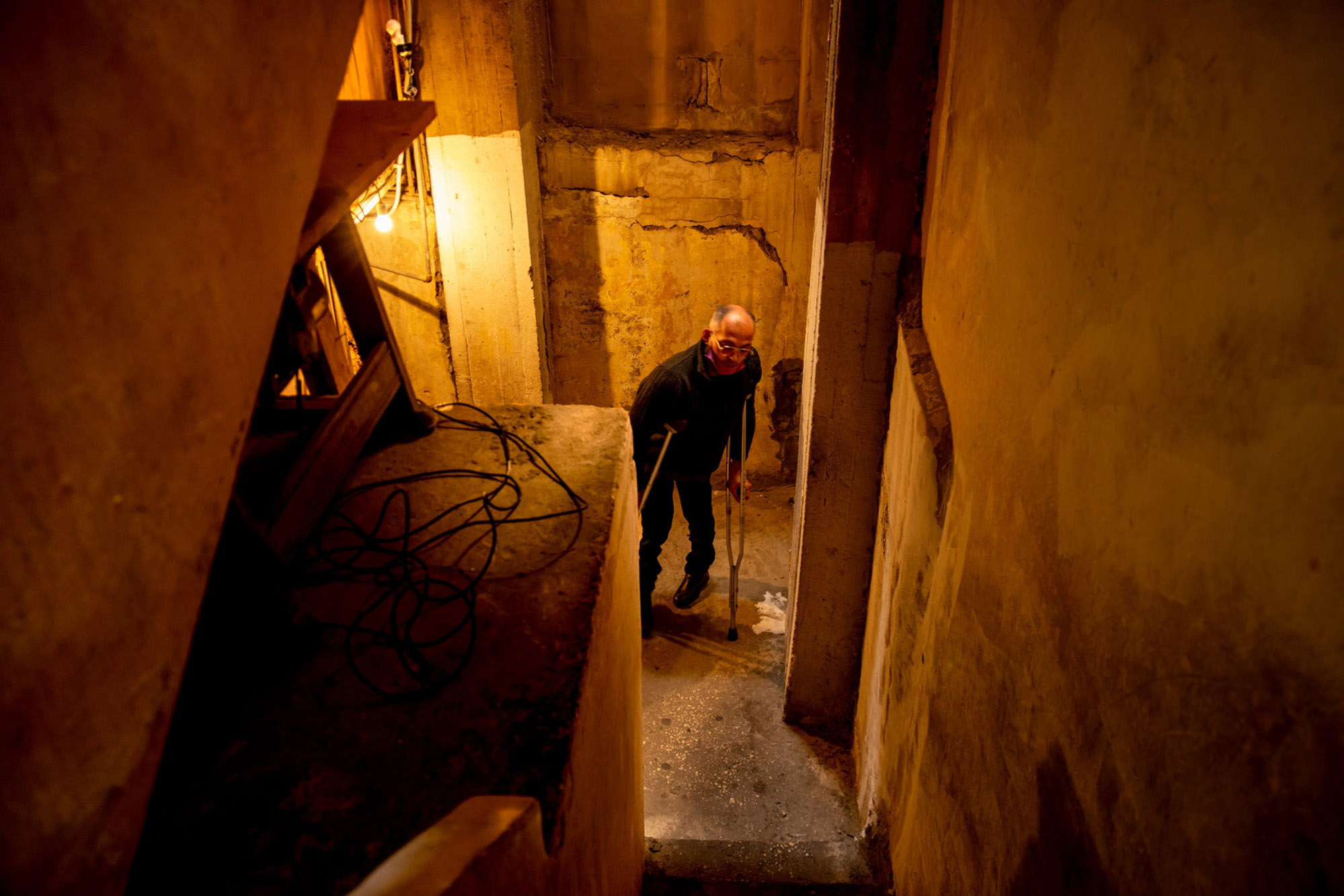
This is also the case of Lebanon which has the highest per capita proportion of refugees in the world. The disastrous explosion at Beirut harbor plus the pandemic have meant chaos in a country that was already on the brink of collapse. Some 90% of the Syrian refugees Pascal Maitre met in the Beqaa Valley and in old Beirut are in a state of extreme poverty.
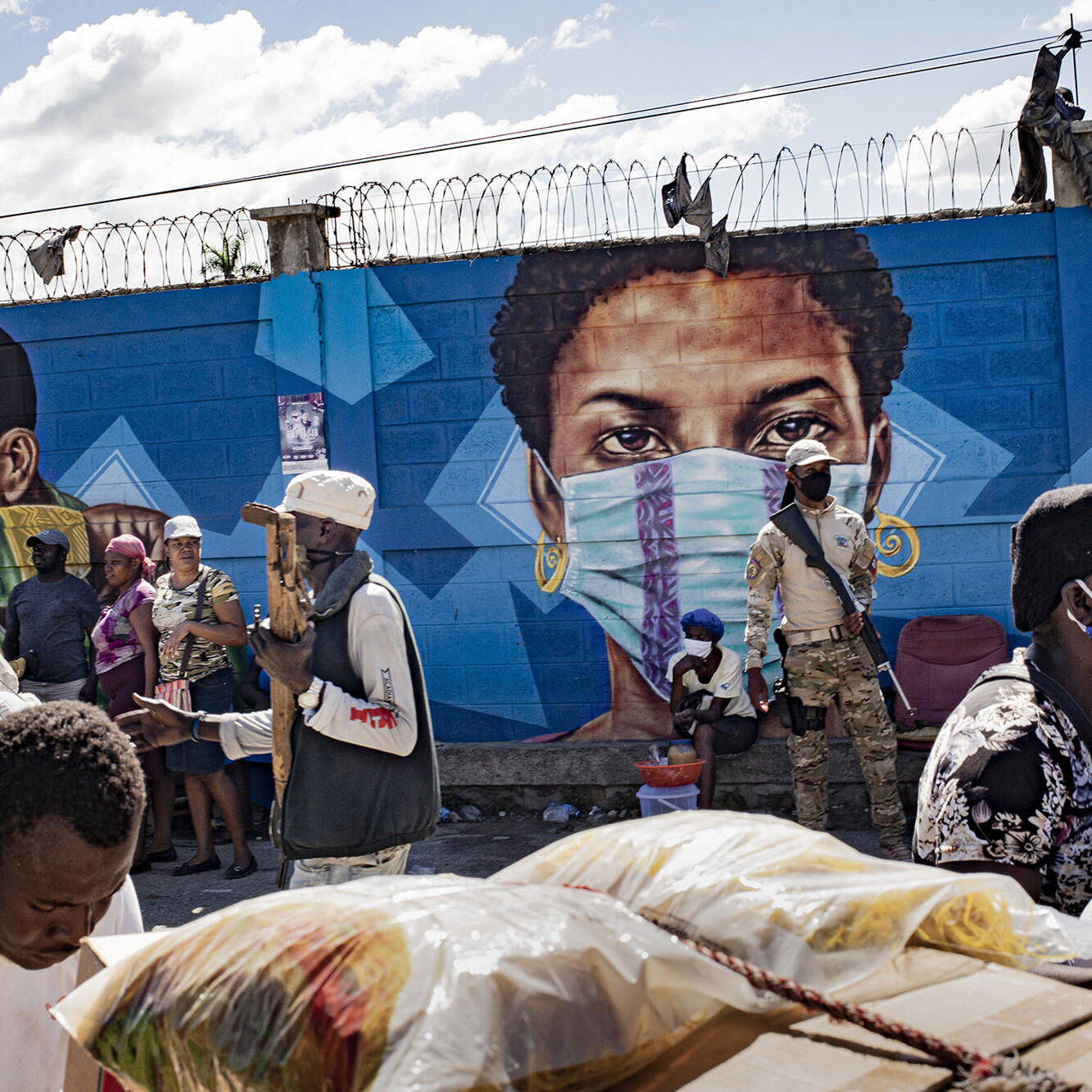
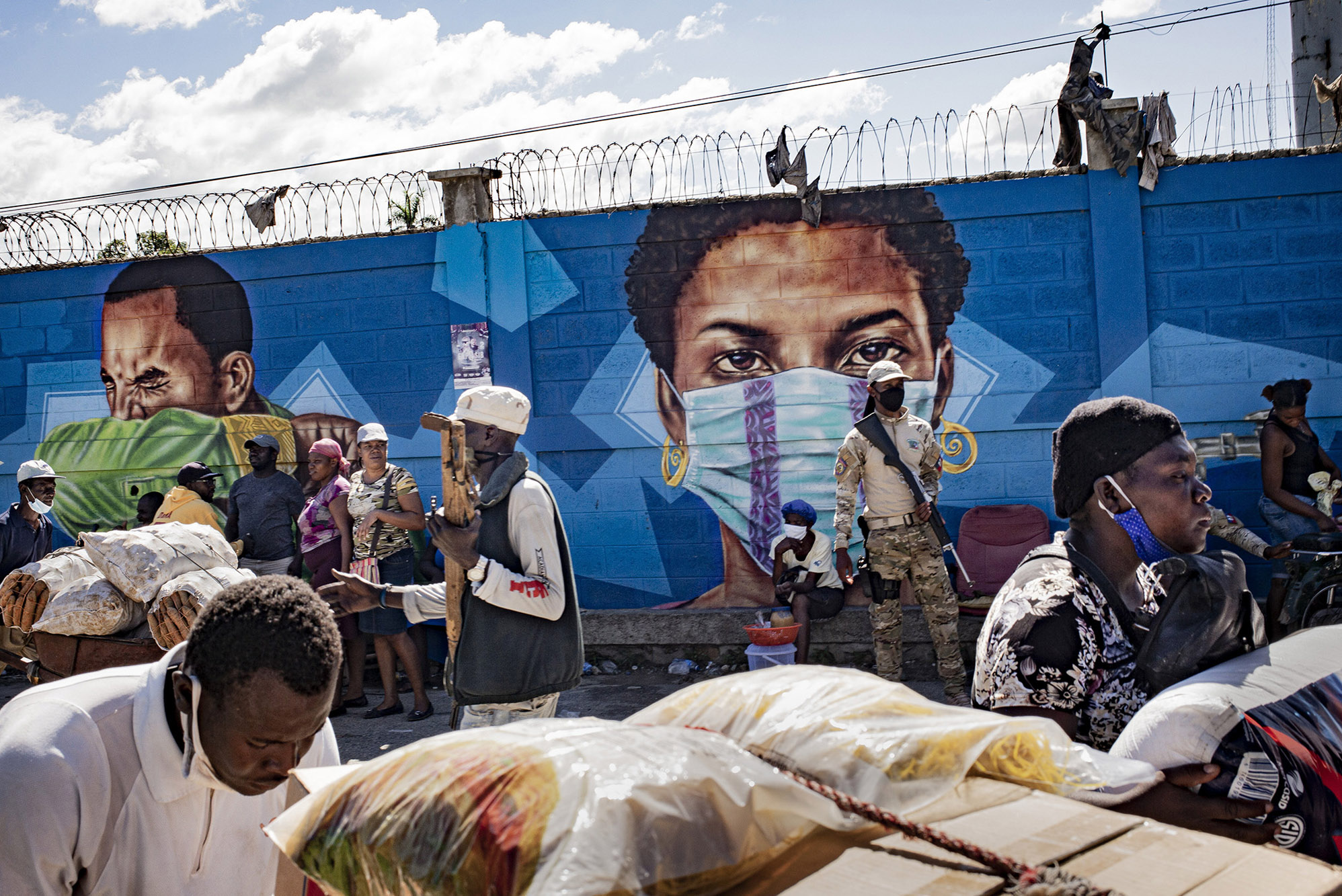
In Haiti, when Covid struck, the borders were suddenly closed, isolating the country, one of the poorest in the world. Some Haitians were caught on the other side of the border in the Dominican Republic, others were forced to leave countries in the region where they had been trying to make a living. Guillaume Binet has reported on the plight of these returnees, now exiles in their own country.
All five reports provide clear evidence that the humanitarian, social and economic impact of the health crisis is worse for those who were already amongst the most disadvantaged.
The MYOP Photographers
The project has been produced by the agency MYOP with support from the European Commission as part of the campaign #SaferTogether.
Photographers: Guillaume Binet, Agnès Dherbeys, Olivier Laban-Mattei, Stéphane Lagoutte and Pascal Maitre.
Take a virtual tour of this exhibition
Create your account or log in to access virtual exhibitions and get exclusive information about Visa pour l'image.