About the exhibition
Winner of the Humanitarian Visa d’or Award – International Committee of the Red Cross (ICRC) 2021
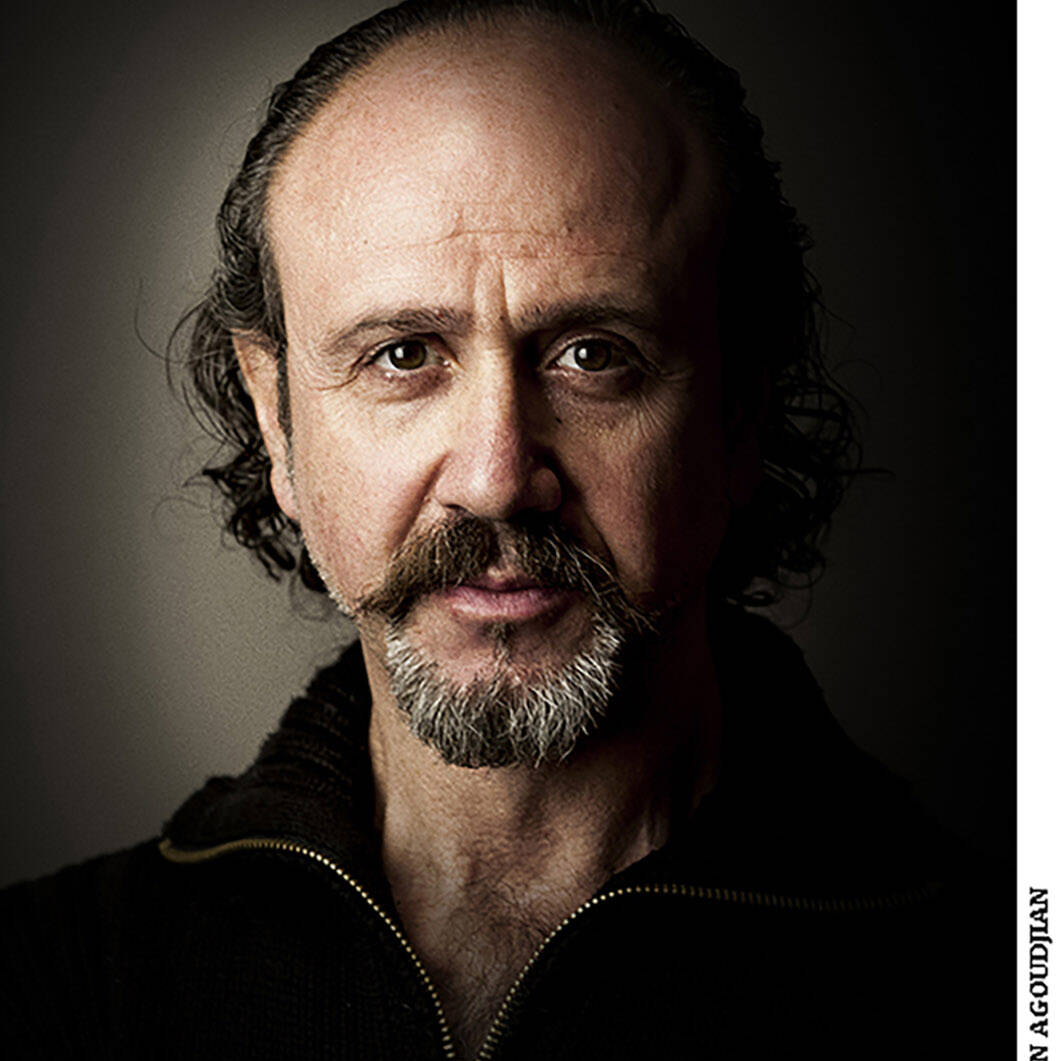
Photography opened my Pandora’s box of memories buried deep down inside. I was born in France, but thirty years ago, in the shadowy zone of a quest for enlightenment, I embarked on a venture to produce a visual rendition of the stories handed down by my grandparents who had escaped genocide, the 1915 genocide of the Armenian people. Working through to 2015, I drew up a panorama of black and white images filled with recollections of a world now obliterated, seeking out remnants from the past in sites conjuring up the void left when an entire people has been erased.
Six years ago I decided to turn over a new page in my work, moving into color, producing a symbiotic relationship between memory and history. Remaining on the level of evocation, I wanted the change in aesthetics to bring reality into my approach so that the present could be superimposed on the past. It may appear cynical when the dialectics of history can have the same stage for the Islamic State and the revival of the dishonor of the final stages of the Ottoman Empire.
Turkey carries the legacy of a crime unpunished that formed the foundation on which the republic was built in 1923, including inherited hatred and violence combined with impunity. Turkey’s denial means the country has pursued a perpetual quest to find an enemy within, to find a culprit responsible for all the problems in the country. In the past the culprit was the Armenians, today it is the Kurds.
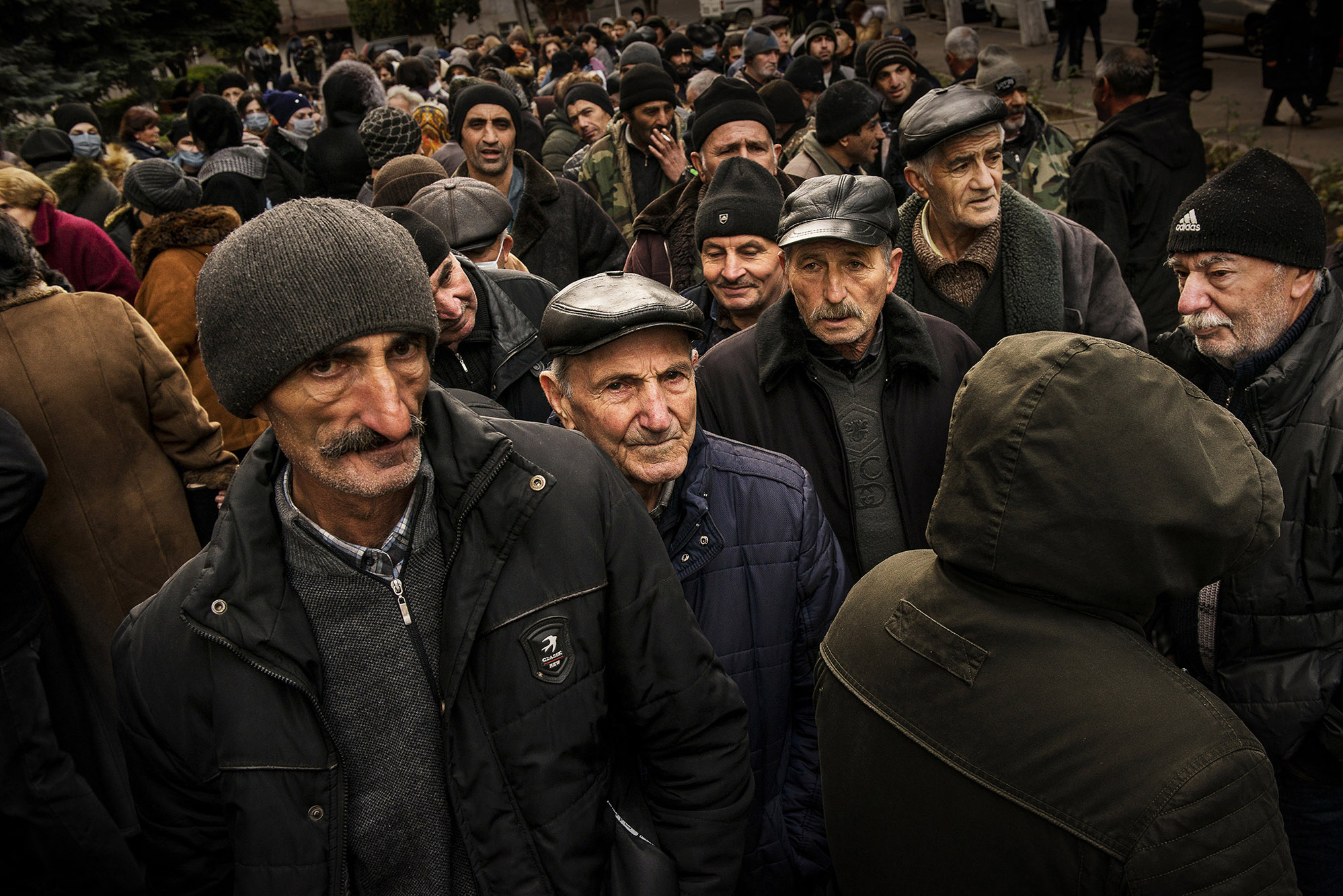
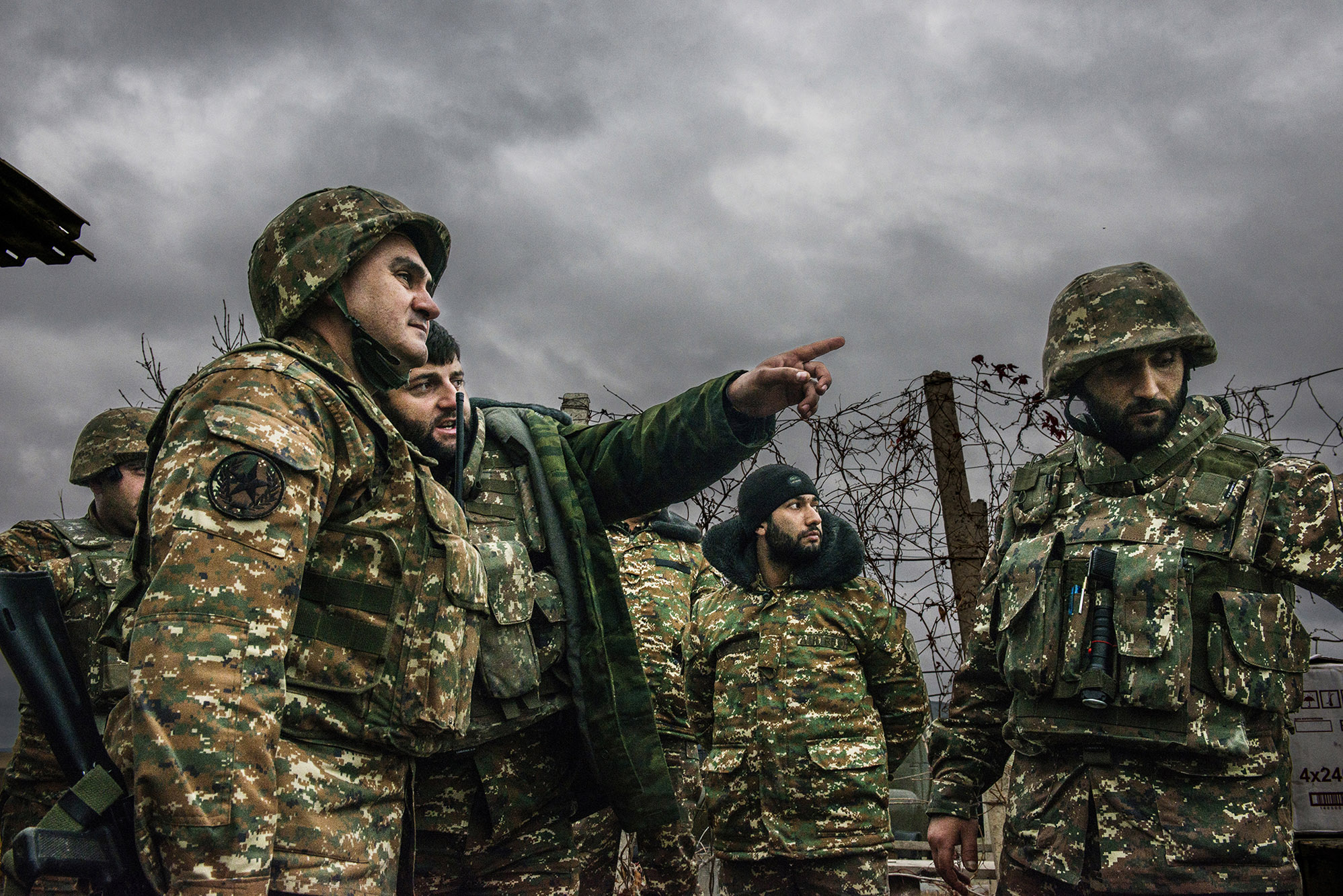
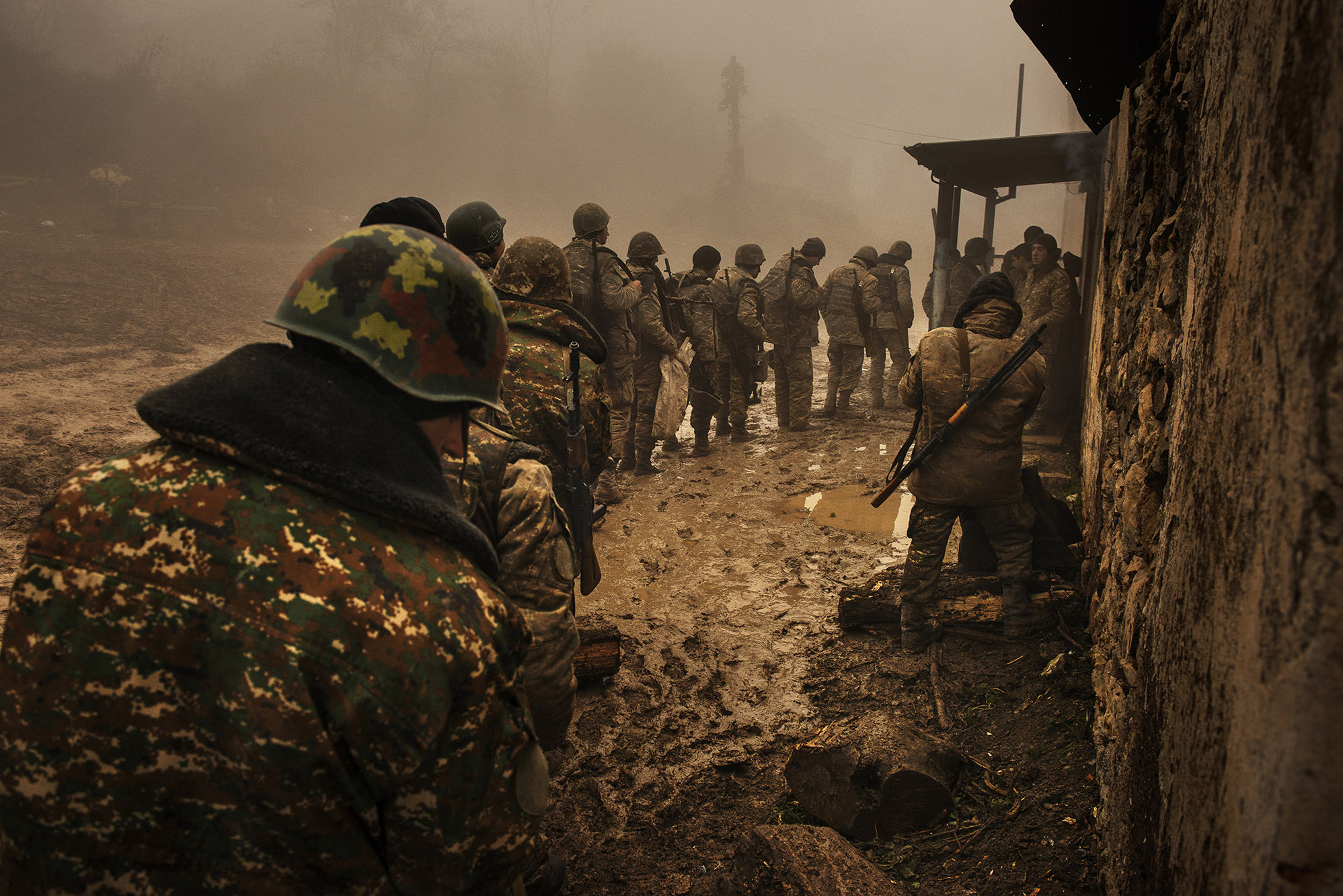
Since 1921, Azerbaijan has claimed sovereignty over the land known as Nagorno-Karabakh or the Republic of Artsakh; in 1921 the land was arbitrarily annexed and given to Azerbaijan by the Soviet Union under Stalin. On September 27, 2020, Azerbaijan attacked the Republic of Artsakh where the majority of the population is Armenian in a vast military offensive backed by Turkey. On the international scene, this met with a resounding silence and a suspicious lack of action from Russia. A powerful coalition with modern weapons and support from Jihadists brought in from Syria by Turkey maintained the offensive for 44 days, attacking the small republic where the population has been living since ancient times.
In France, in 1896, the socialist leader Jean Jaurès gave a famous speech in the lower house of Parliament speaking out against the Armenian massacres and calling for the Armenian people to be saved. With backing from prominent figures such as Georges Clemenceau and Anatole France, Jaurès addressed Members of Parliament, reporting the massacres of the Armenian people commanded by the Sultan. Today the speech is as relevant as ever.
In the fall of 2020, the offensive by Azerbaijan and Turkey on Nagorno-Karabakh was clearly the final stage in the genocide process initiated one hundred years earlier by the Young Turk government, the genocide that led to the virtual elimination of the Christian communities, Armenian, Greek, Syriac and Chaldean, of the Ottoman Empire.
Take a virtual tour of this exhibition
Create your account or log in to access virtual exhibitions and get exclusive information about Visa pour l'image.