About the exhibition
While a clockmaker sees time in constant motion, a photographer brings time to a standstill, enjoying freedom and encountering limitations when doing so. The photographer is free to press the pause button on the world for the time it takes to capture an image. Restrictions come with technical requirements that need to be dealt with so as to visually encompass the scope of the earth. It may be the greatest job ever, but there is a price to pay, the price of bringing vast creative freedom to serve and provide documentary records of the human race. Such is the essence of photojournalism, and the aspiration is a source of wonderment, as well as a challenge, for in practice the world is never black and white, but a broad and subtle range of grays. Photographers hunting down pictures must first vanquish any feelings of fear, then reconcile two antithetical dimensions, their love of the world and the depiction of the world as it is. Contrast can be the goal, contrast in opposition or apposition with two mutually edifying elements. But which element is to be chosen?
In 1985, my photo of young Omayra recorded her for all time. She was the little girl in Colombia trapped in a mudslide from which emergency workers were unable to save her. Despite their efforts she died, but not in front of me. I had recorded her alive, before her life came to an end.
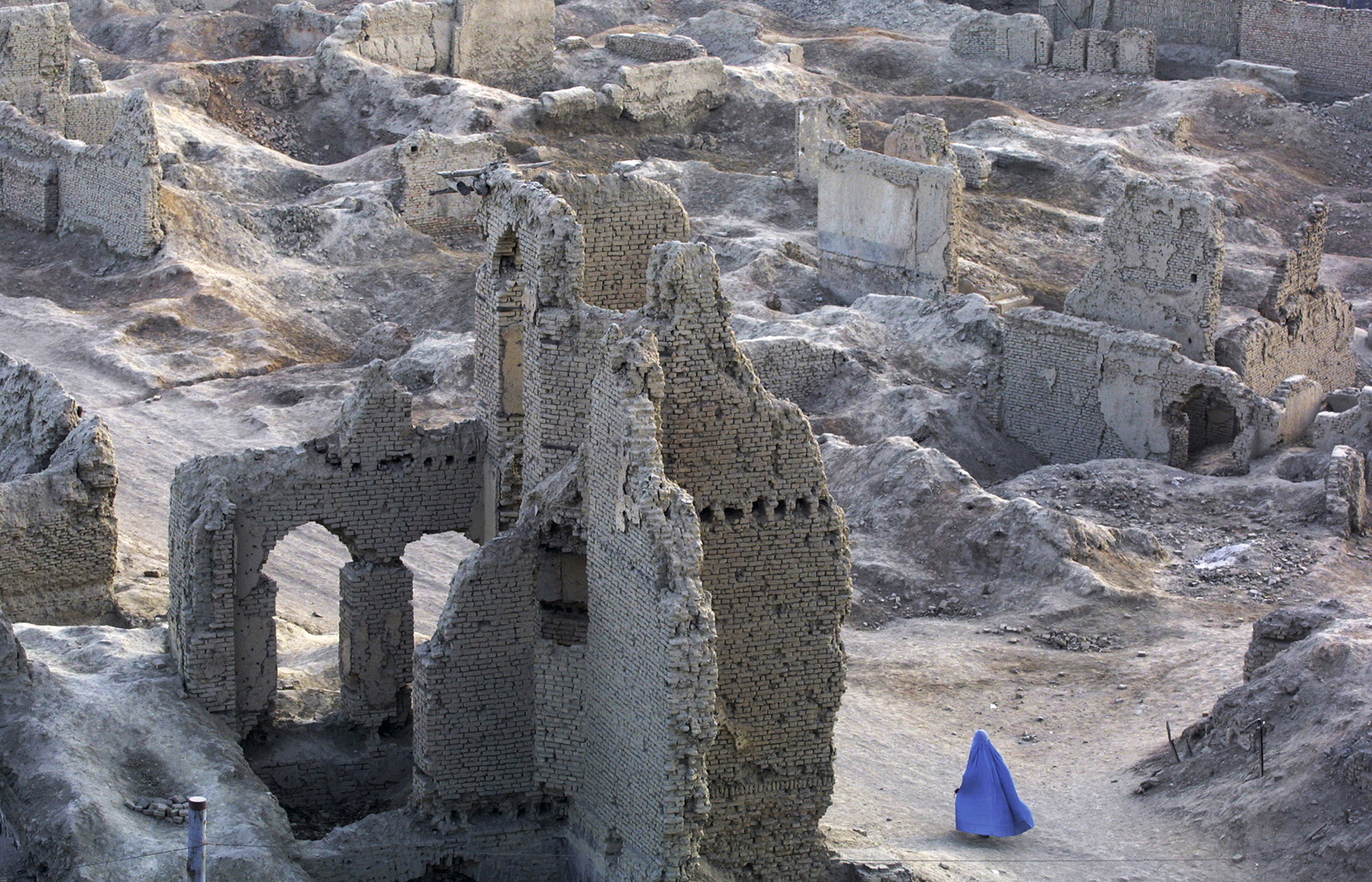
Two years later, in Afghanistan, down in a valley near the road leading to Khost, I discovered Islamic fundamentalism. A man by the name of Ben Laden, unknown at the time, was leading a group that did not like foreigners, so I was left without shelter or food after a grueling trek across snow-covered mountains in mid-winter; and to make my plight even more dangerous, I was lost along lines held by Soviet troops. I have no pictures of that experience to show now, but the images are there, inside me.
Another story: in Belfast, in 1988, at the funeral for members of the IRA in the Catholic cemetery in Milltown, a Protestant suddenly threw grenades into the crowd at the graveside. The ceremony commemorating the men turned into a bloodbath. There is a certain condition in human existence.
When the Berlin Wall came down in 1989, I was there, standing on it, a free man. I have made documentary records and my pictures have become part of history, which makes me happy. I have the greatest job in the world.
Then, in 1992, there was Somalia, and I discovered sheer horror. I was the first journalist to reach Baidoa at the center of the famine. I had crossed the grim line into the zone where folly and death prevail. I took very few pictures as I was not consciously present. My brain refused to see what was there in front of my eyes. How ironic that a photographer should have to opt for censorship rather than the camera.
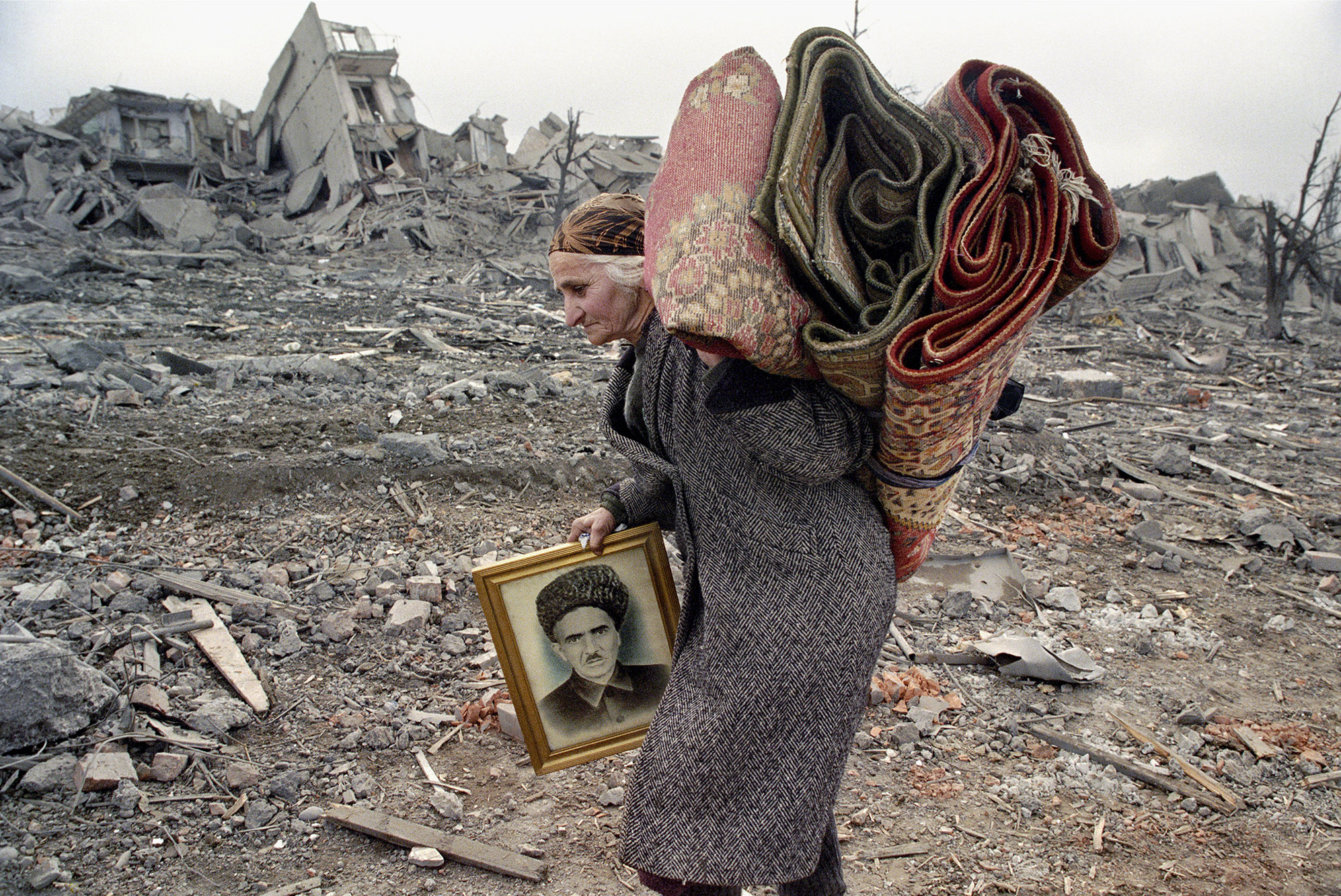
By 1995, it was Russian commandos in Chechnya: horror incarnate, for indeed any human being can turn into an animal. I now know the meaning of the word “survive.” I was trying to cover the story, but had only seven rolls of slide film, so I did what I could, and everything was happening in the dark. I did my job, but it is not always the greatest job in the world.
For the last forty years my work has been to report, bearing witness, challenging and confronting the people looking at the pictures. This has meant abiding by a clear creed: stick to the facts and respect the dignity of the persons being photographed, for they are the ones who make the pictures that go down in the annals of history. Often it also means having to manage absurd situations, and that can be far from easy. The basic situation today has not really changed, even though technology has moved ahead. You still have to combine the objective quality of the picture taken and the subjective quality of the point of view chosen. Most importantly, inside the photographer’s mind there is always the best picture which is yet to be taken, the picture as a quest to be pursued. Everyone these days tells us that time is going by ever faster, so that is an excellent reason for photographers to show that time can be made to stand still, as a still image there to be seen.
Take a virtual tour of this exhibition
Create your account or log in to access virtual exhibitions and get exclusive information about Visa pour l'image.