About the exhibition
Central American migrants have been traveling to the United States for a long time, but it was not until 2018, with the large caravans and the attention of US President Donald Trump, that they became a visible phenomenon.
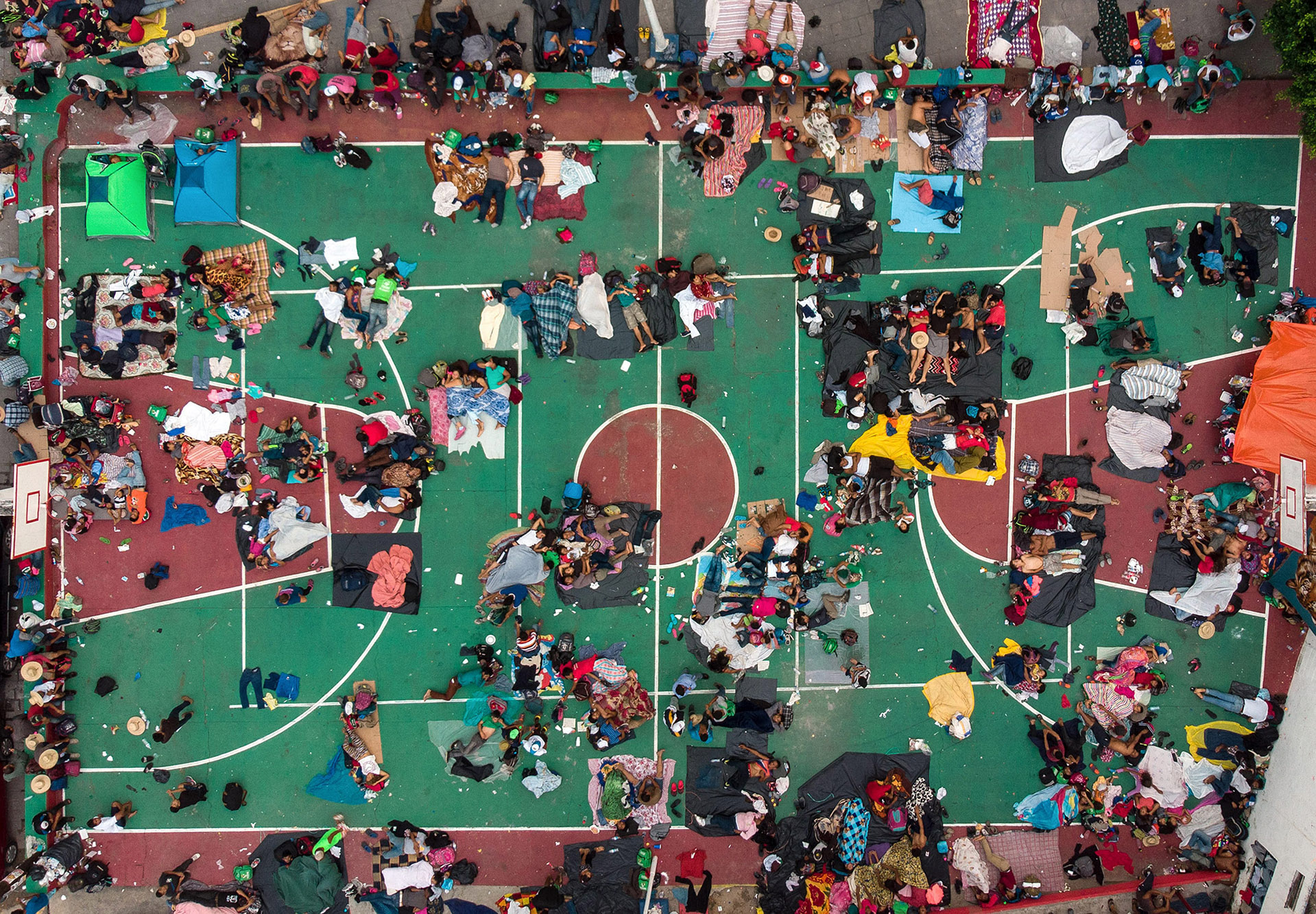
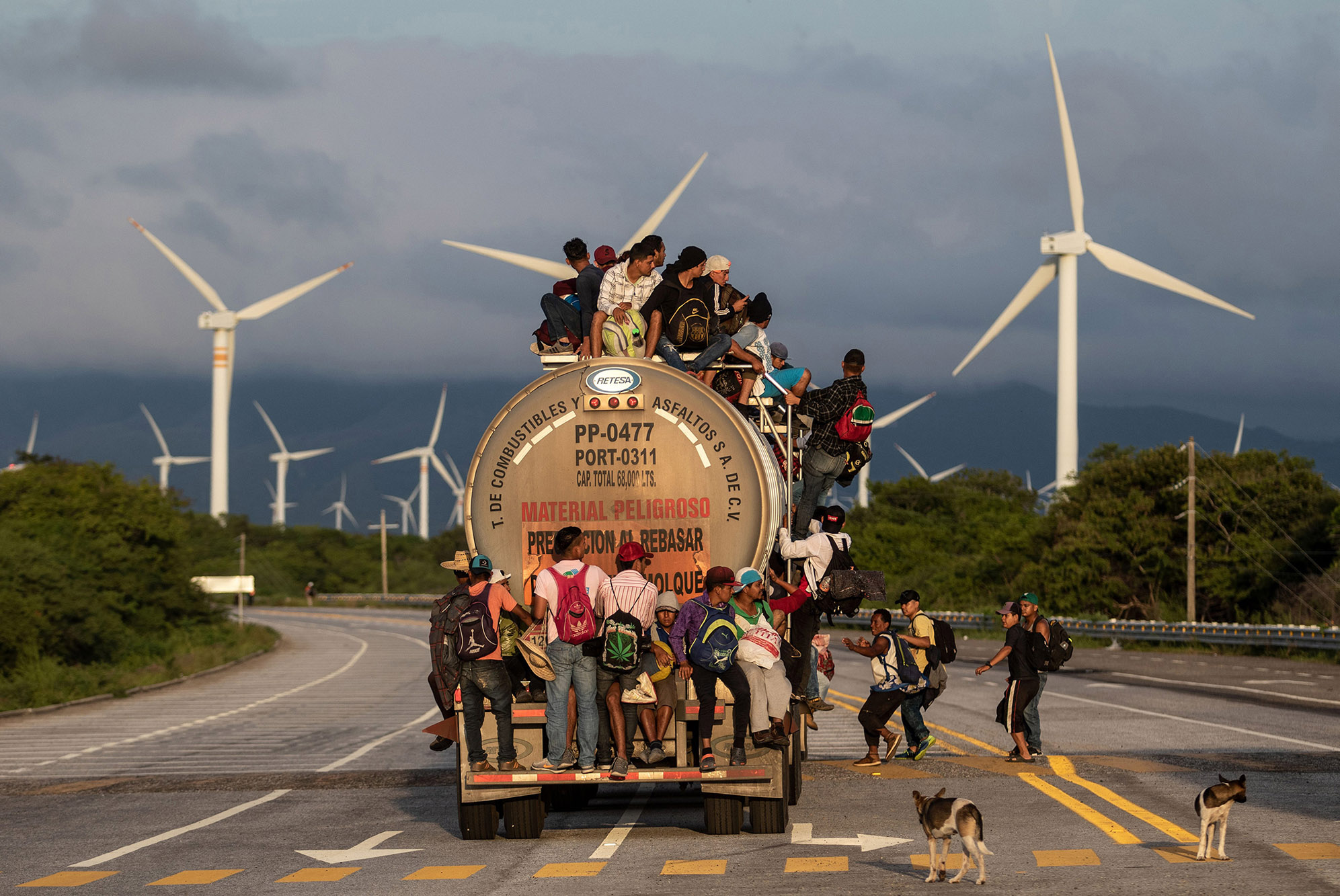
Migrants passing through Mexico are exposed to abuse by gangs, people smugglers, organized crime, and even by authorities, in the course of their perilous journey to the US border. These are people who have fled their home countries because of extreme violence and poverty, and the safest option for them is to move in large groups.
In early October 2018, several hundred Hondurans started their journey northward after a call went out on social media. By the time they reached the Guatemala-Mexico border there were thousands of them, mostly from Honduras, but with some from El Salvador and Guatemala. After clashes at the border with Guatemalan and then Mexican authorities, they continued, and by central Mexico, another two caravans had formed and started on the journey from Central America.
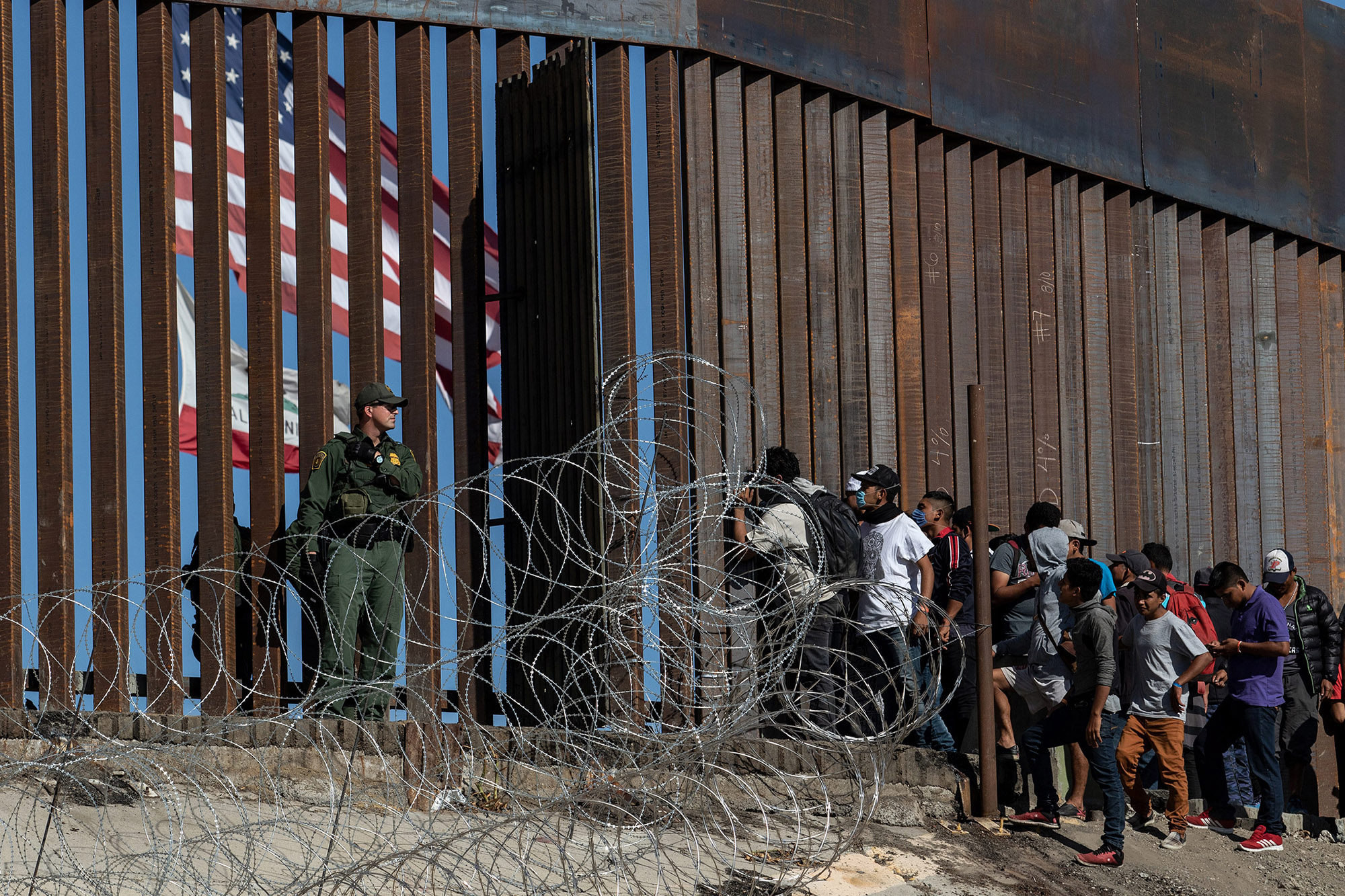
The first caravan reached Tijuana, on the US-Mexico border, in the second week of November, and by the end of the month, according to the local authorities, there were more than 7,000 migrants in shelters in Tijuana, and they soon realized that the US border patrol forces would not extend the welcome they had been hoping for. On November 25, a group of about 500 migrants rushed several points; American border officers fired tear gas to force them back. A few managed to cross the border, but they were soon detained.
After the incident, President Trump’s anti-immigrant rhetoric escalated, the US authorities stepped up their border control, and the Mexican authorities increased their surveillance of migrants in the city of Tijuana. The situation was made worse by the long time needed for requests for asylum to be processed, setting the scene for smaller groups of migrants who attempted to cross illegally through gaps in the border fence in the Tijuana-San Diego area. By crossing illegally and then surrendering to border patrols the asylum process was faster than waiting for an asylum interview with US migration officials at the official crossing point. By the end of December 2018, most people in the October caravan had made it into the United States one way or another.
On New Year’s Eve, the Tijuana-San Diego area saw another attempt at a mass crossing over the border fence when some 200 migrants were pushed back by border patrol officers firing tear gas. A few did make it, but only to be detained by officers. As a result, fencing and security measures were reinforced, and the Central American caravans started moving to the eastern side of the border where there was no fence, and where they could cross the river into US territory and surrender to the authorities.
While the caravans this year have not been as big as they were in 2018, there are still waves of Central American migrants traveling in large groups. And as Mexico’s policies on immigrants are becoming more aggressive, as President Trump keeps up the pressure, caravans, large or small, are still the safest way to travel through Mexico. They have now permanently changed the dynamics of migration in this part of the world.
Take a virtual tour of this exhibition
Create your account or log in to access virtual exhibitions and get exclusive information about Visa pour l'image.