About the exhibition
The project “1984” documents the legacy of President Hugo Chávez Frías and his Bolivarian Revolution, once a source of inspiration for the most disadvantaged citizens in Latin America, but which, today, has become one of the most oppressive dictatorships in the history of the region.
When Hugo Chávez launched his revolution, his supporters saw the dream of a fairer, freer Latin America, offering greater opportunities for people from all backgrounds. This was to be a revolution for societies that had only ever known armed struggle as a means of effecting dramatic change.
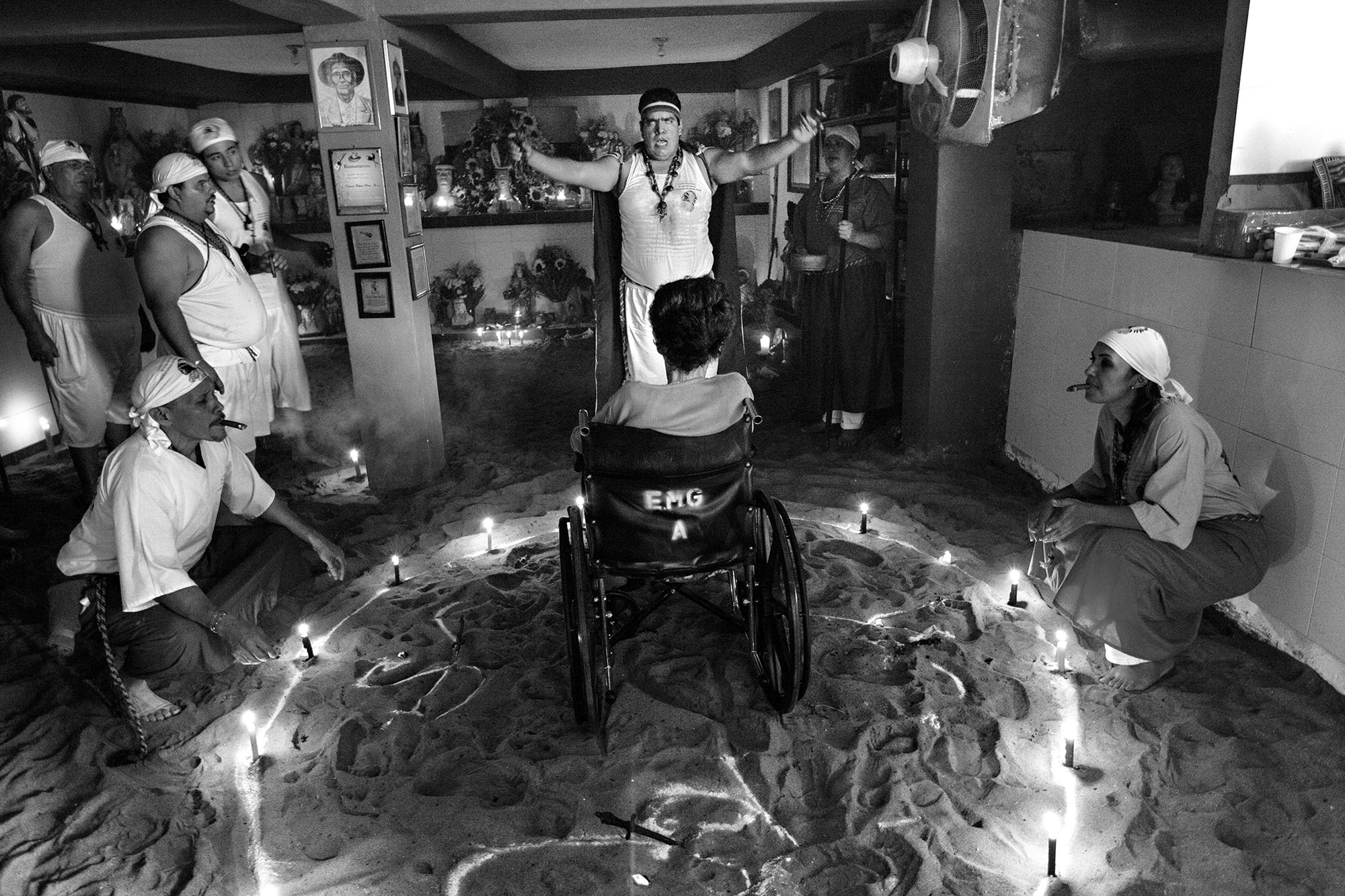
With time, the people woke from that dream. The revolution had become its own worst enemy, changing into what it had once criticized: a totalitarian revolution. Here is a visual record of the revolution in Venezuela, seeing how it came undone, and also showing aspirations for reconciliation within Venezuelan society.
I have been working in Venezuela for a decade, and on recent visits have seen the country on the verge of collapse. Twenty years after Chávez launched the Bolivarian Revolution, Venezuela is a failed state. The Chavista movement and the promises of a more egalitarian and just society are long gone. In Venezuela today, the separation of powers has collapsed, and the fundamental rights of members of civil society are constantly being violated.
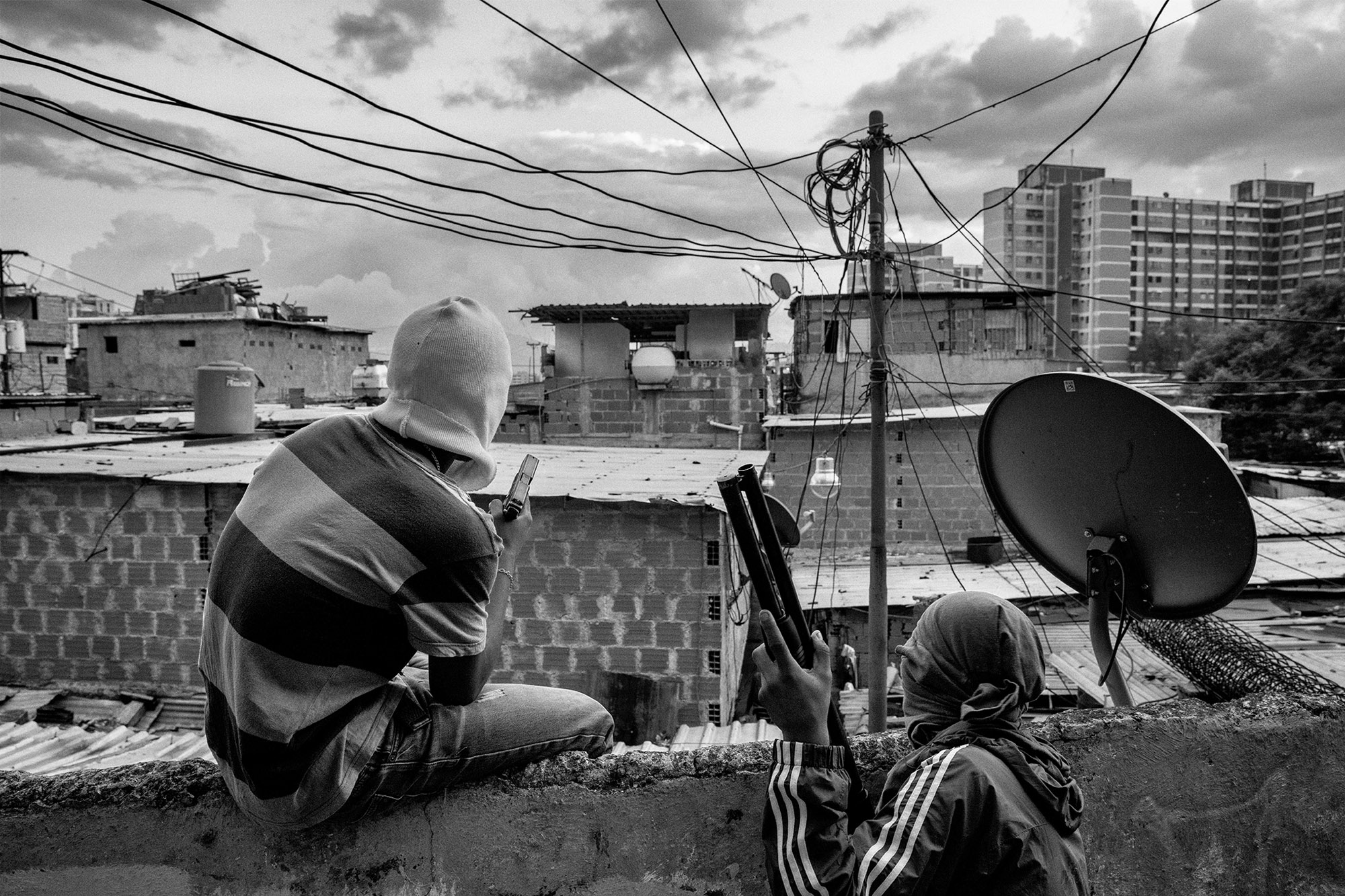
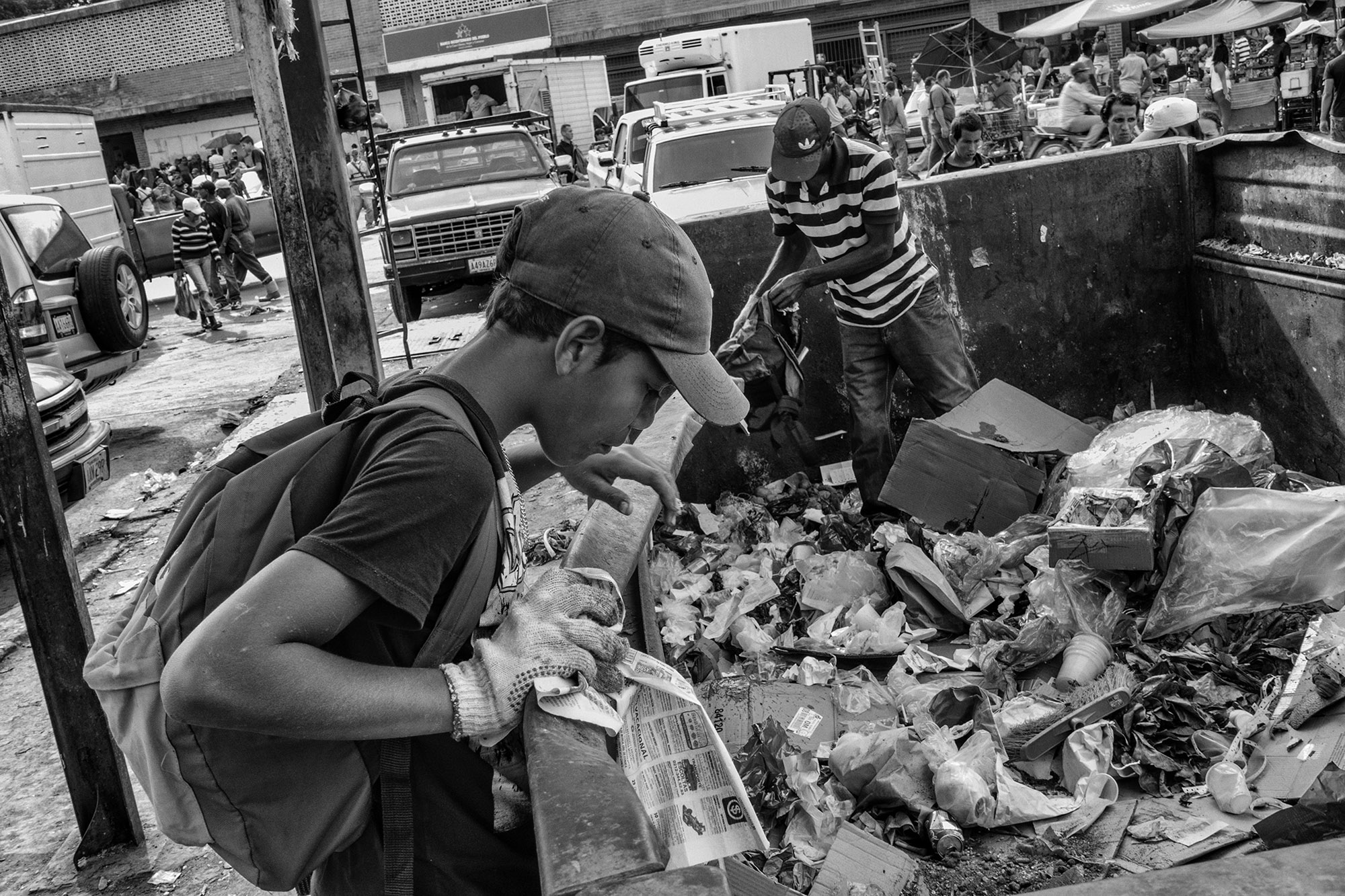
The country is falling apart under the pressure of the economic crisis. In 2016 inflation was at 500%, and in 2019, according to the IMF, will reach 1,000,000%. There are acute shortages of basic commodities and medical supplies. The health system has collapsed, and insecurity and violence are at unprecedented levels. The NGO Observatorio Venezolano de Violencia (OVV) registered 28,479 murders in 2016, i.e. 91.8 homicides per 100,000 inhabitants.
The political opposition has been kept in check by the regime, and under the government of Nicolás Maduro, political persecution is a reality. Since Maduro, the political heir of Hugo Chávez, took power in 2013, political violence targeting the opposition has soared. According to the Venezuelan human rights organization Foro Penal, there are currently 795 political prisoners, and 103 of them without any formal proceedings.
Take a virtual tour of this exhibition
Create your account or log in to access virtual exhibitions and get exclusive information about Visa pour l'image.