About the exhibition
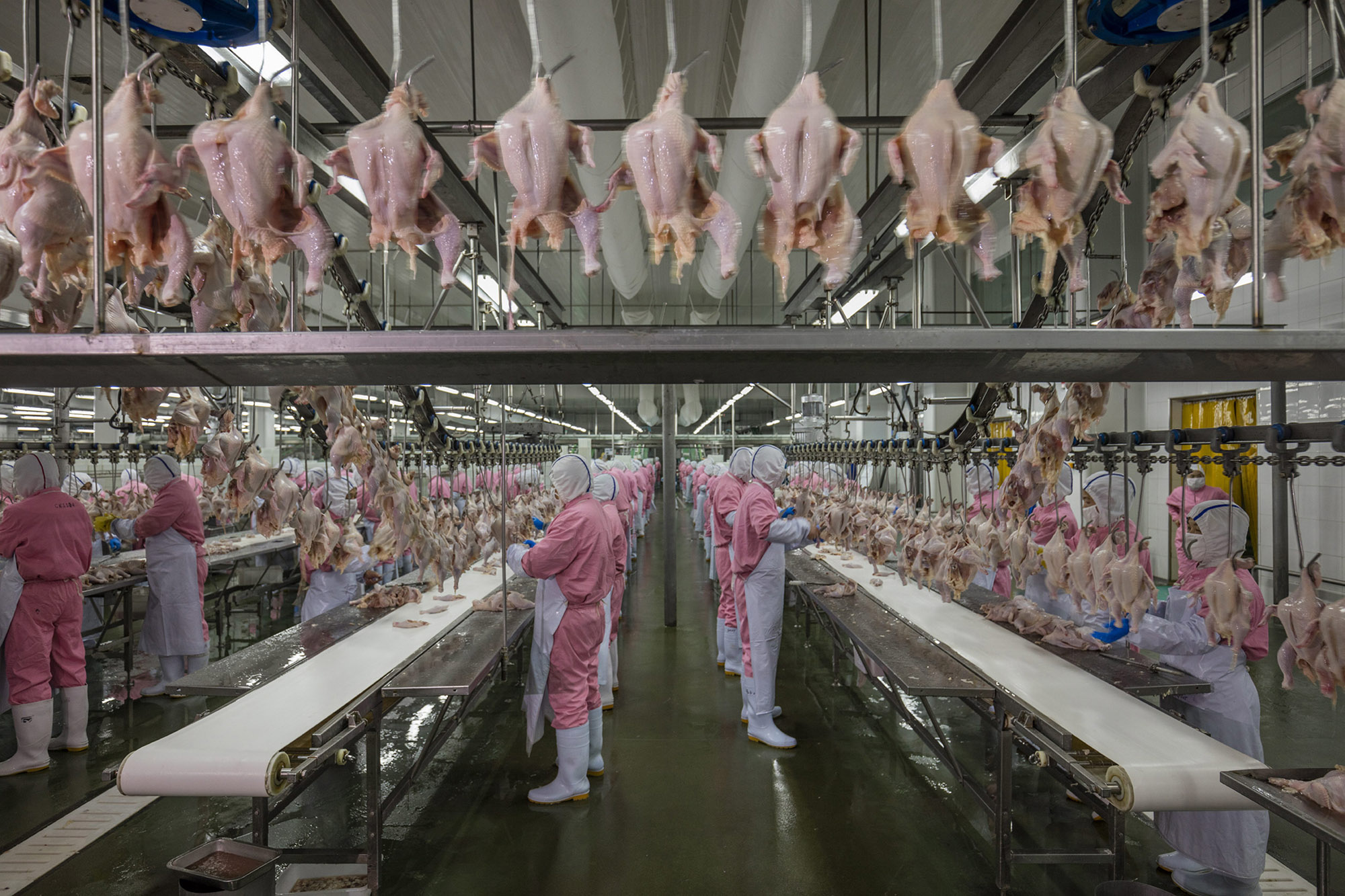
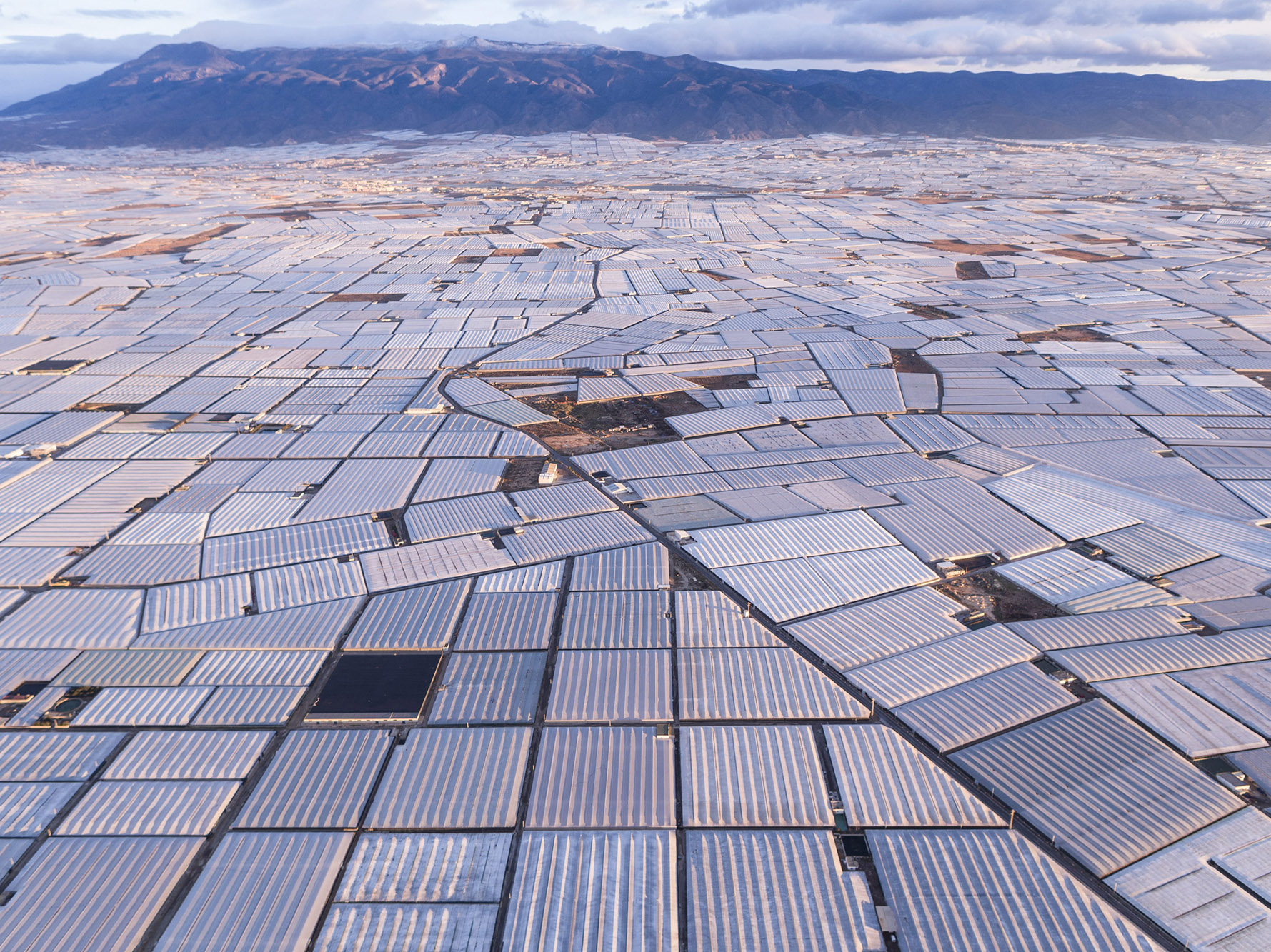
Since plants were first domesticated some 11,000 years ago, humans have converted 40% of the surface of the earth into farmland. With the world population projected to reach almost 10 billion by 2050, plus the rising standard of living in rapidly developing nations, global food supply will have to double. How can this be done without wiping out the few wild places that are left?
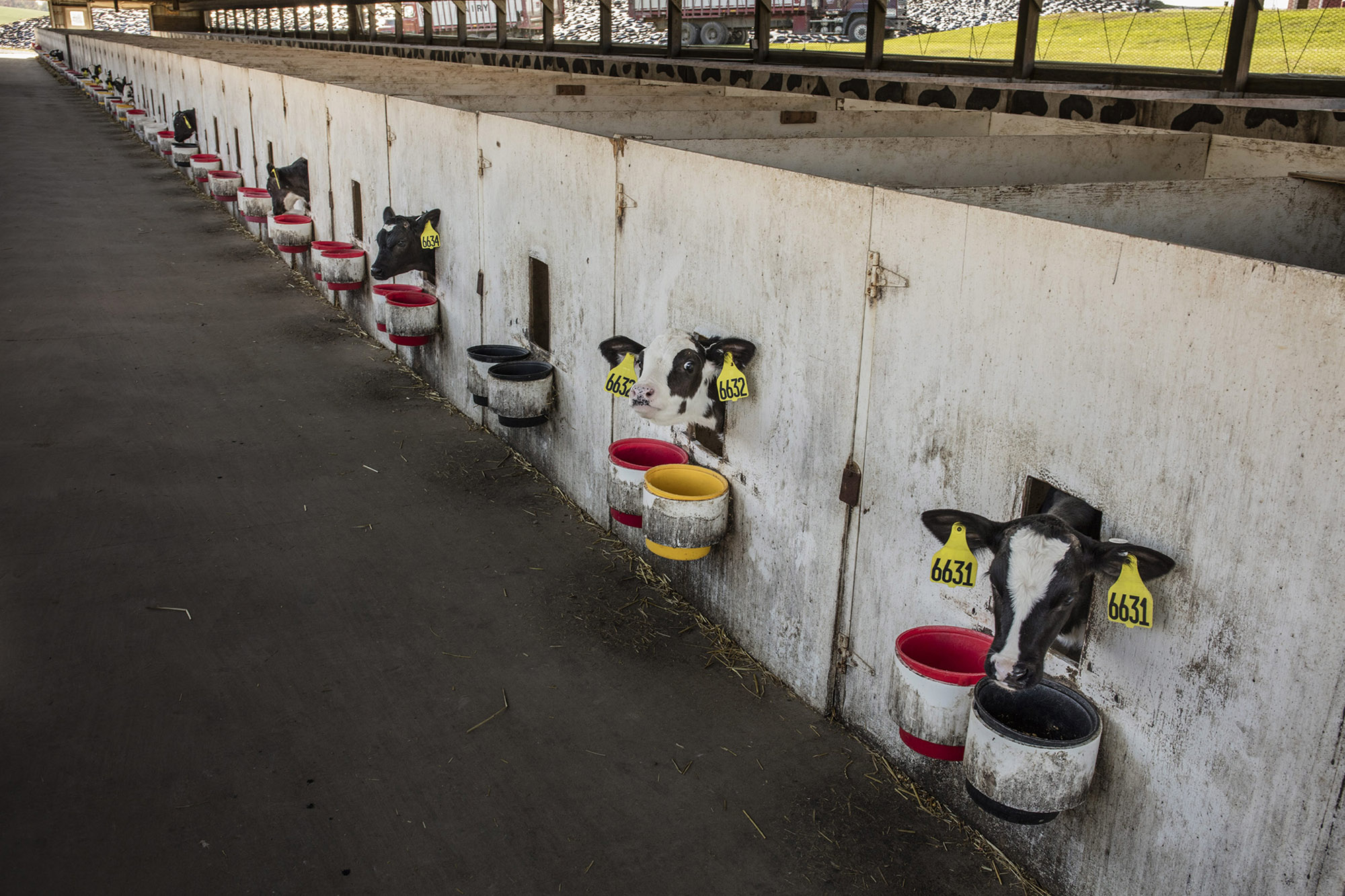
Most people do not realize that food production is an environmental issue, and that the choices we make three times a day have global consequences. Much of my work on food has focused on large-scale agriculture which is the dominant trend in the industrialized world, and is also the most visually interesting. I became fascinated by the spectacle of food production and the scale of it, especially as seen from above.
I started the project as an assignment for National Geographic Magazine, and in the first week of fieldwork was put in jail after taking aerial photographs of a cattle feedlot in Garden City, Kansas. This was a wake-up call for me, and evidence that large parts of our food supply were being kept from view, which only made me more curious to find out about what is being hidden and why. I began to feel that we have a natural right, if not a legal one, to know where our food comes from. I am not a vegan, or an animal rights advocate, but I do see a need for more transparency in our food system so that we can make our own informed choices about how our food is made, and the consequences of processes used.
The next time you buy food, look at the label, and ask a few questions about how it got there. Then think about what it means for the beautiful little planet that we all share.
Take a virtual tour of this exhibition
Create your account or log in to access virtual exhibitions and get exclusive information about Visa pour l'image.