About the exhibition
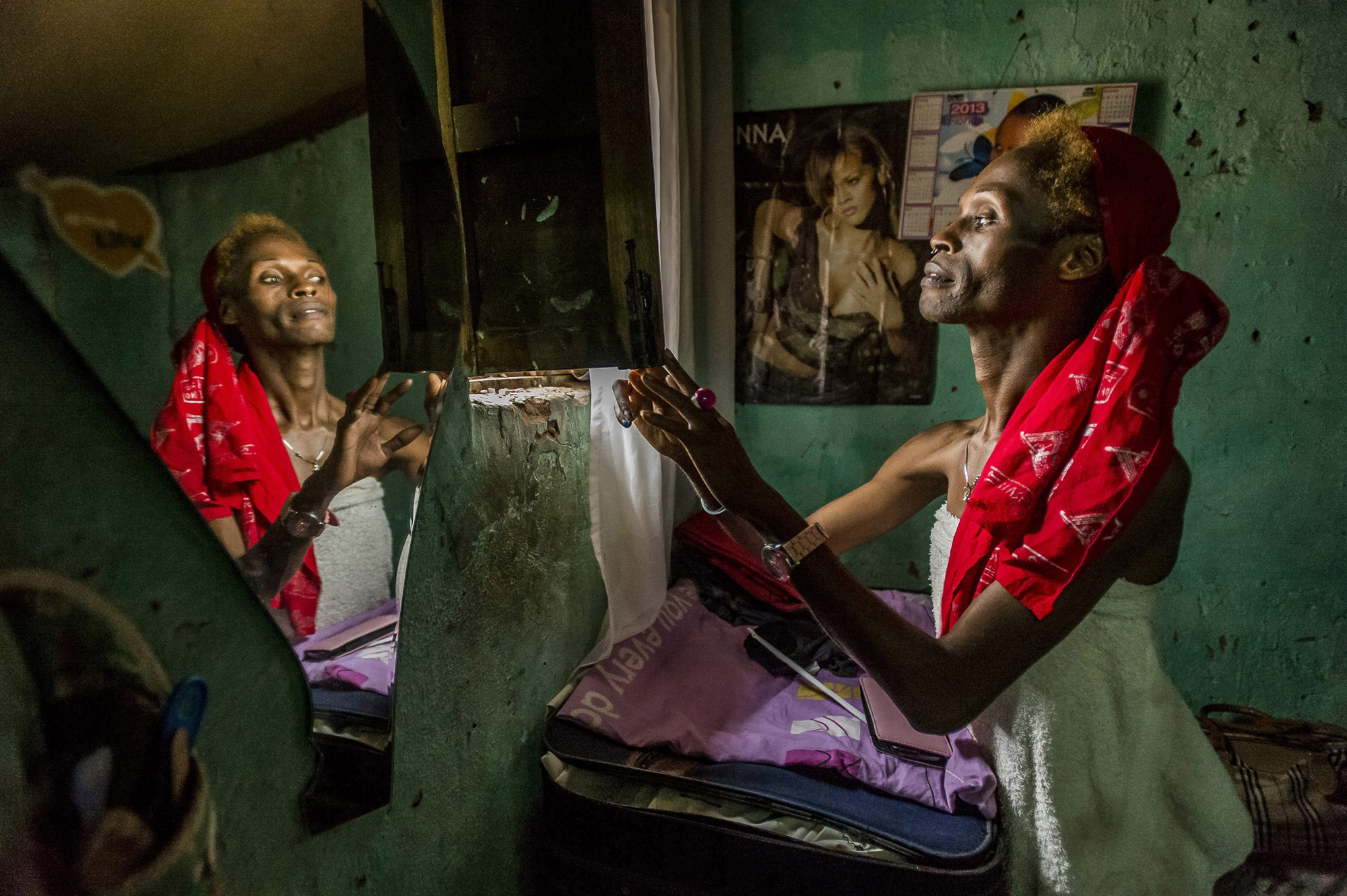
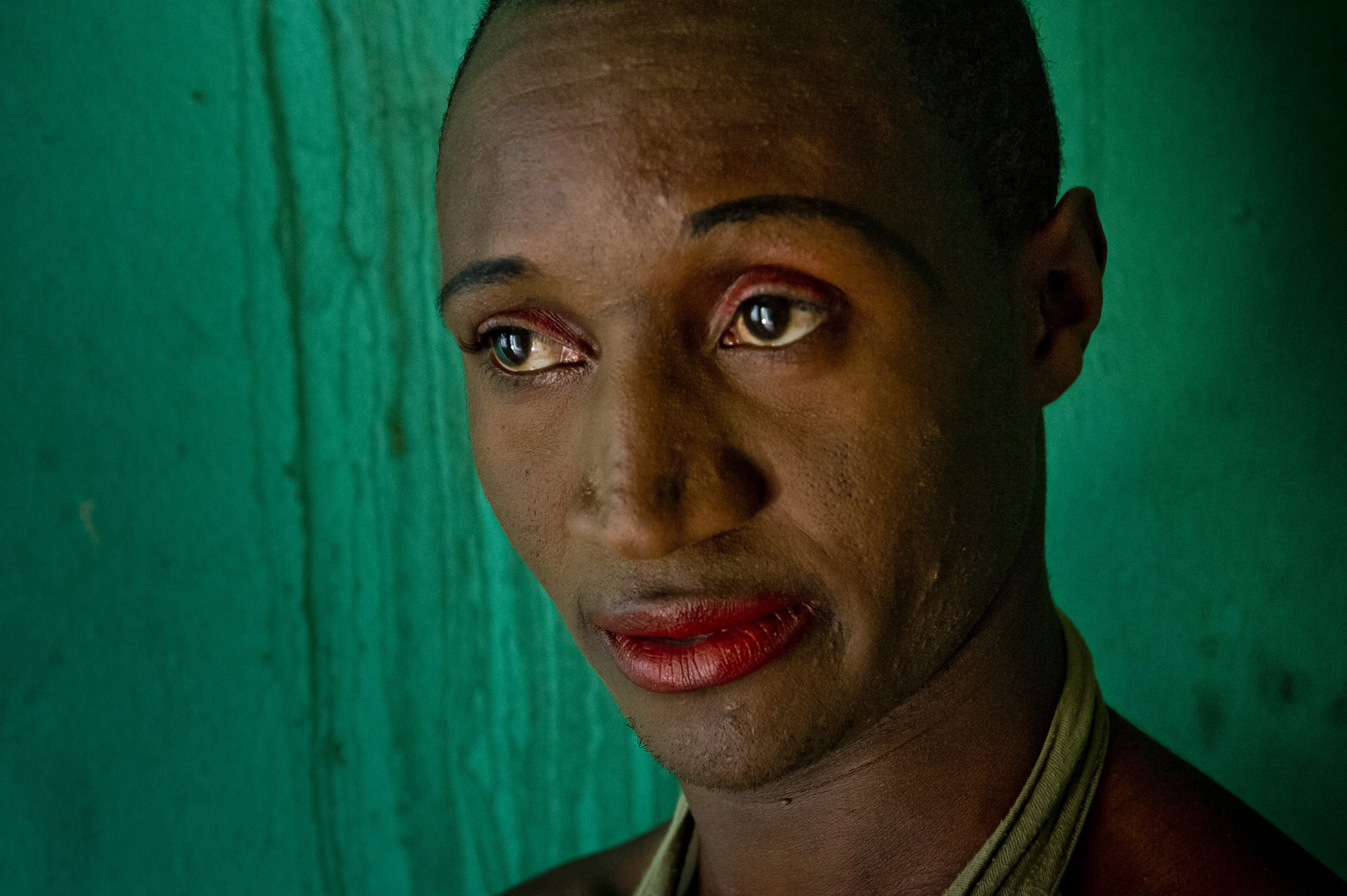
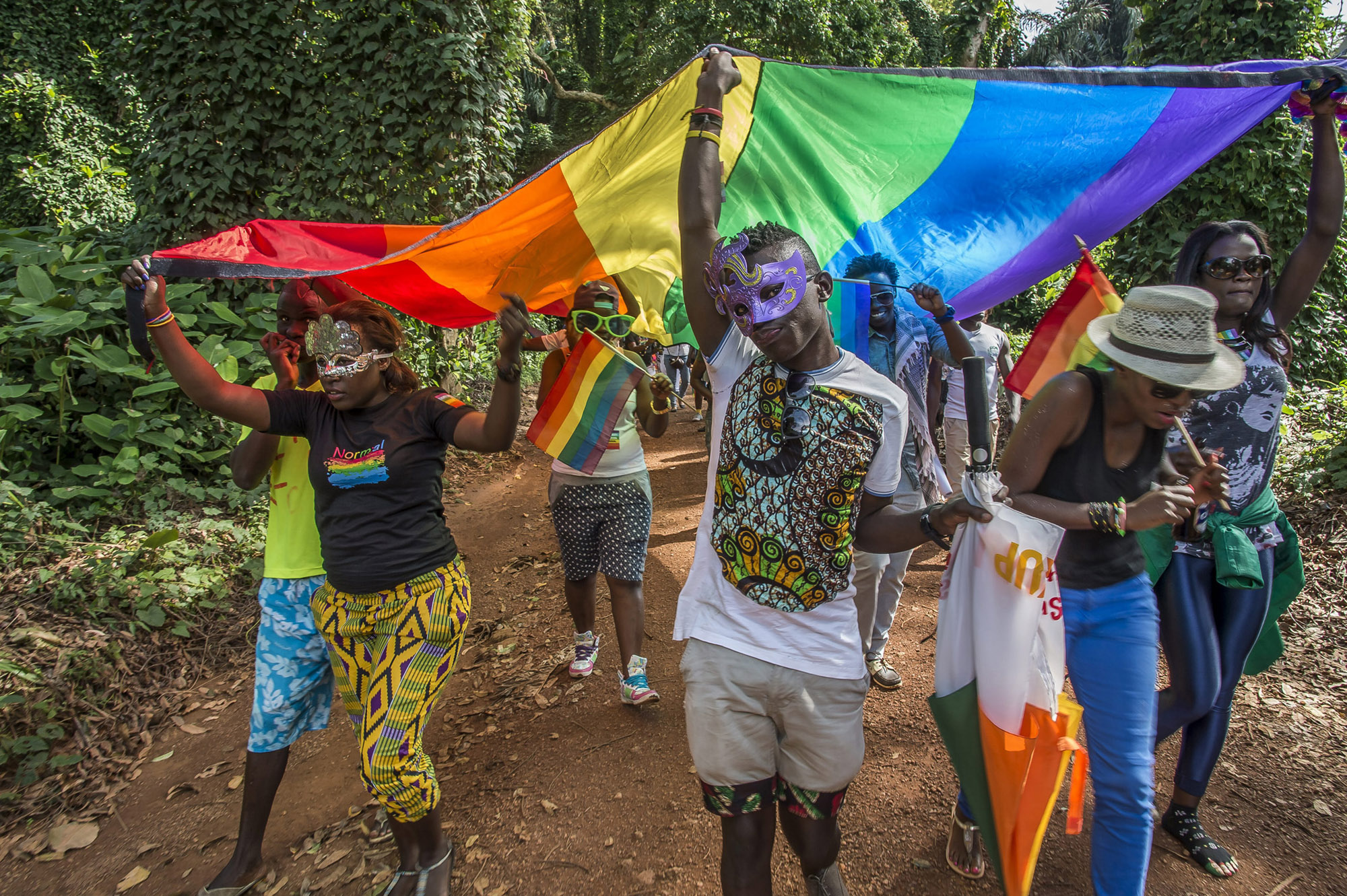
For a number of years, Frédéric Noy has been recording the lives of LGBTI people in three countries in East Africa where very different laws apply: Burundi, Rwanda and Uganda,
In 2009, Burundi revised the national criminal law code, banning “sexual relations between persons of the same sex” under Article 567, with provision for a maximum two year sentence and/or a fine of up to 100 000 Burundian francs (US$60).
In Rwanda at the same time (in December 2009), Parliament rejected an amendment that would have made homosexuality a criminal offence. The Justice Minister stated that sexual orientation was a private matter, not state business.
Uganda has repeatedly endeavored to toughen its legislation, and after a hasty vote late at night in December 2013 passing the 2014 Anti-Homosexuality Act (AKA the “Kill the Gays Bill”), it was later ruled null and void by the Constitutional Court as the vote had been held without the requisite quorum. The 1950 Criminal Law Code introduced under colonial rule includes an “anti-sodomy law” which is now being enforced again. In mid-April 2016, the speaker of the Ugandan Parliament, Rebecca Kadaga, promised to resume the anti-gay crusade.
LGBTI Africans are victims of physical, mental and social violence in their daily struggle to cope with the taboo that is so firmly entrenched and considered so reprehensible by their own friends and family. The best they can hope for is that friends and family simply refuse to face the facts; the worst is total rejection. In Uganda, where there are no social services, coming out means social isolation, a life where it is virtually impossible to find a job, a home or any meaningful human existence. President Museveni spoke at a rally in Kampala held to celebrate the passing of anti-gay legislation, and referred to homosexuals as ekifire – half-dead.
Survival is a schizophrenic exercise, having to live in hiding to find peace. And yet there are activists who refuse to live in denial, who are determined to fight for their rights, refusing to live in fear. Together their courage is stronger and they are driven on by their unshaken beliefs, encouraging members of the LGBTI community to come out, to be seen, and to challenge society.
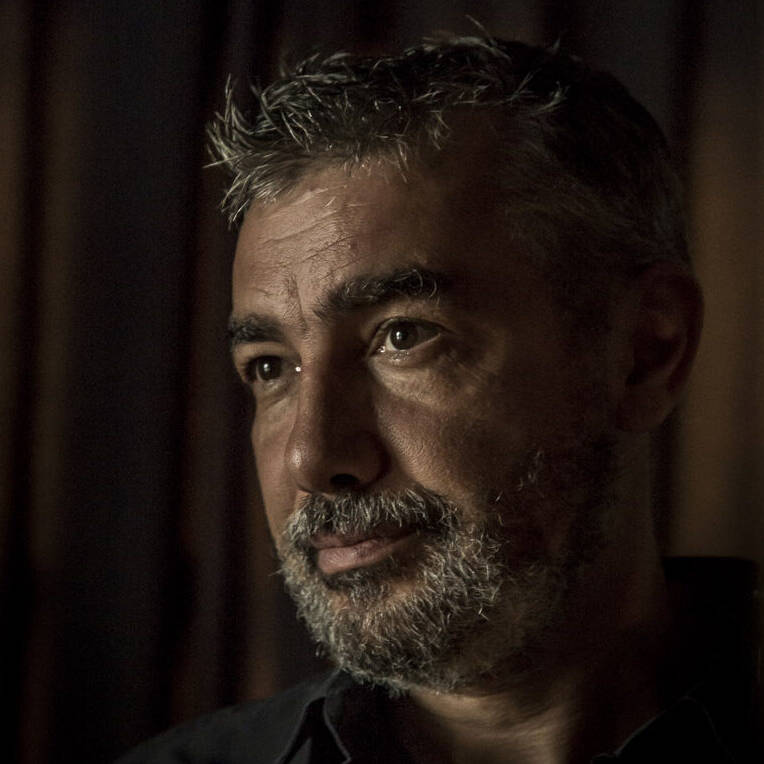
Frédéric Noy
* LGBTI: lesbian, gay, bisexual, transgender, and intersex.
Take a virtual tour of this exhibition
Create your account or log in to access virtual exhibitions and get exclusive information about Visa pour l'image.